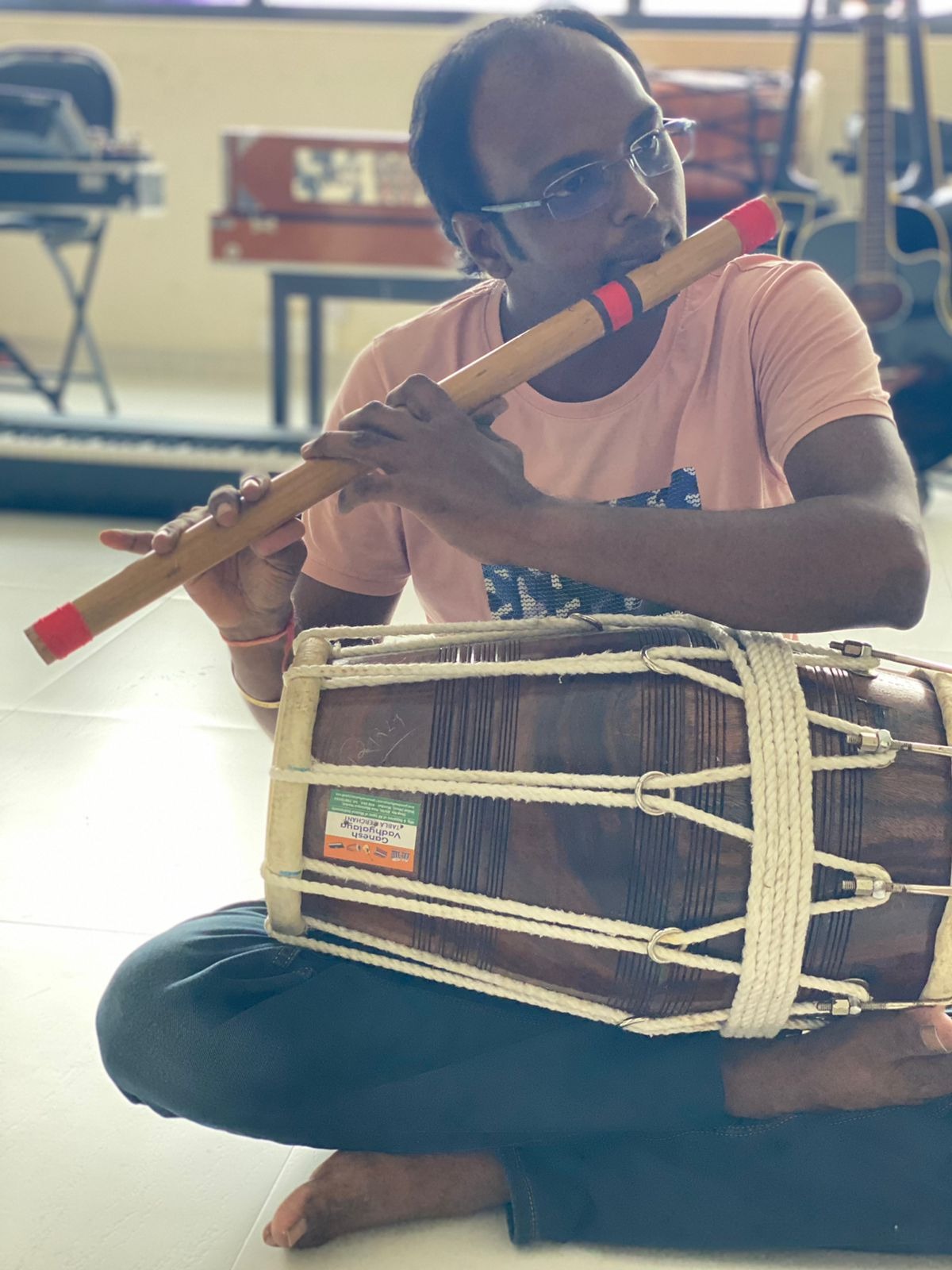

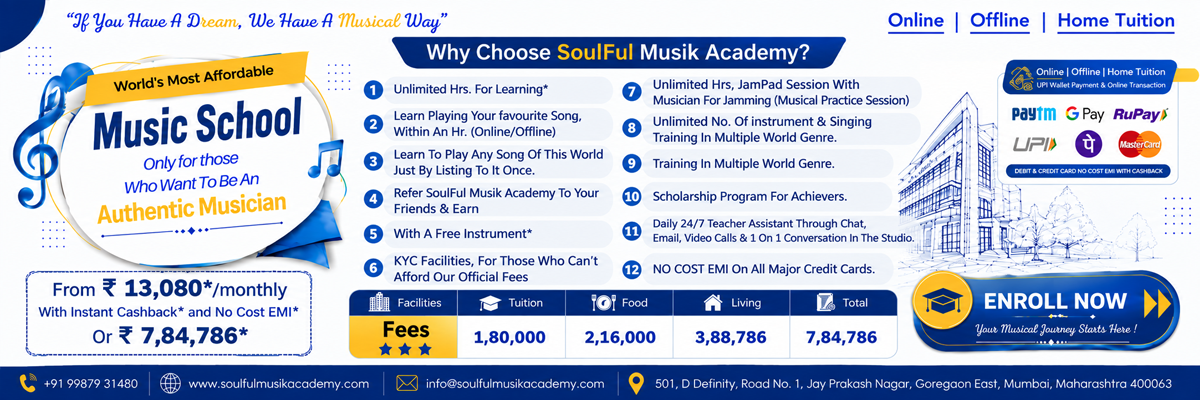
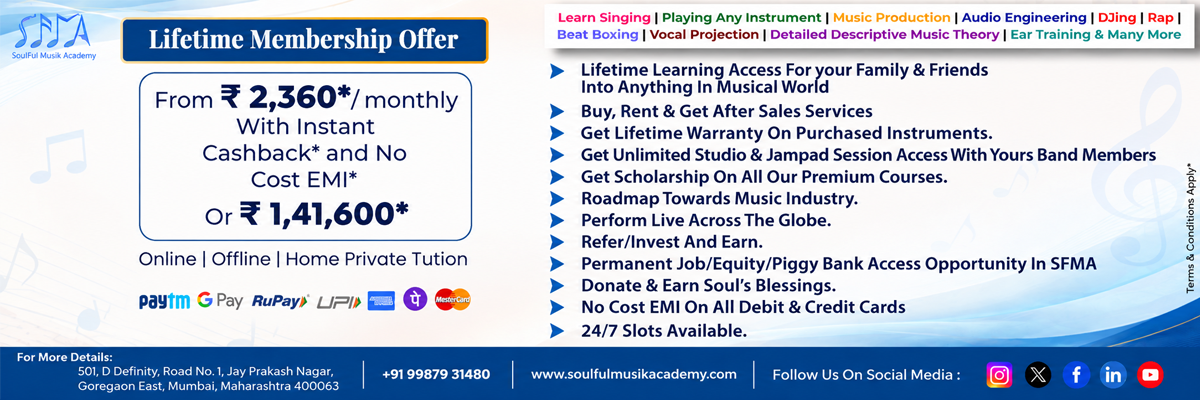


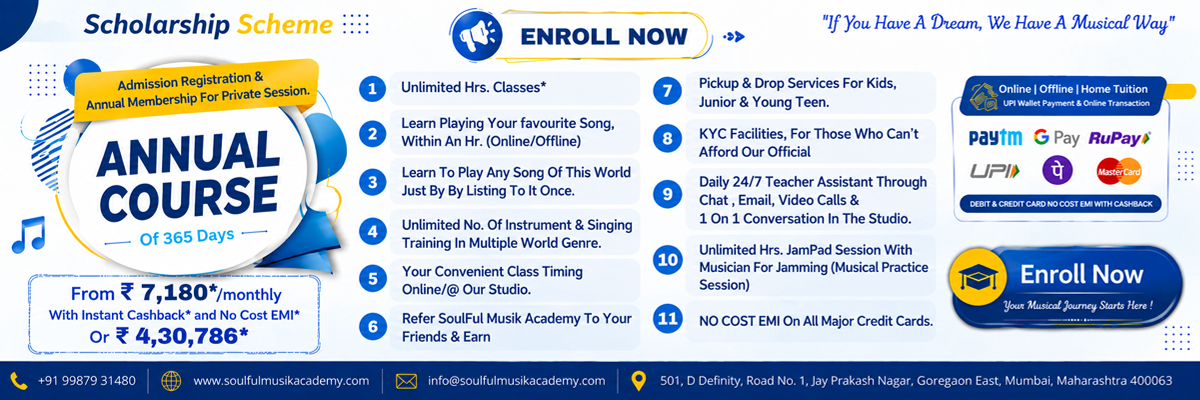

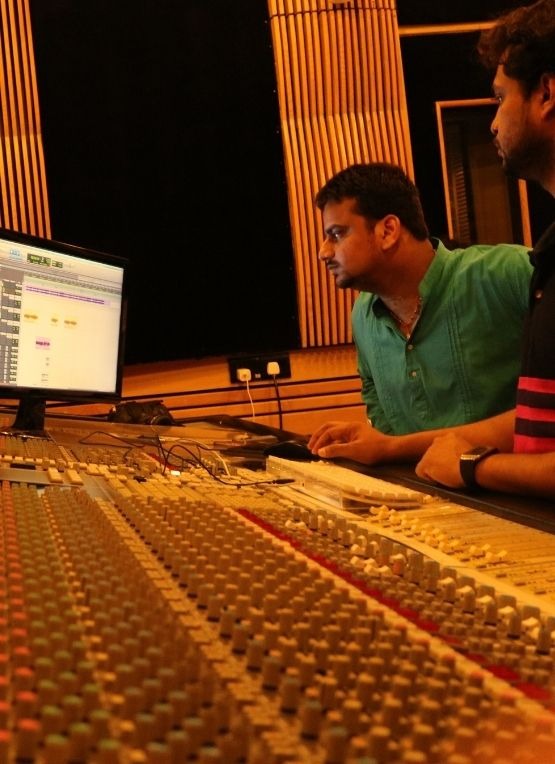


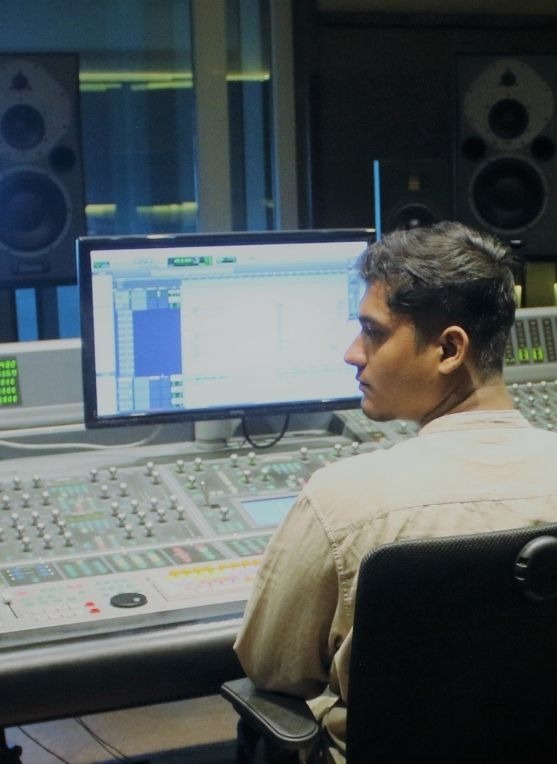
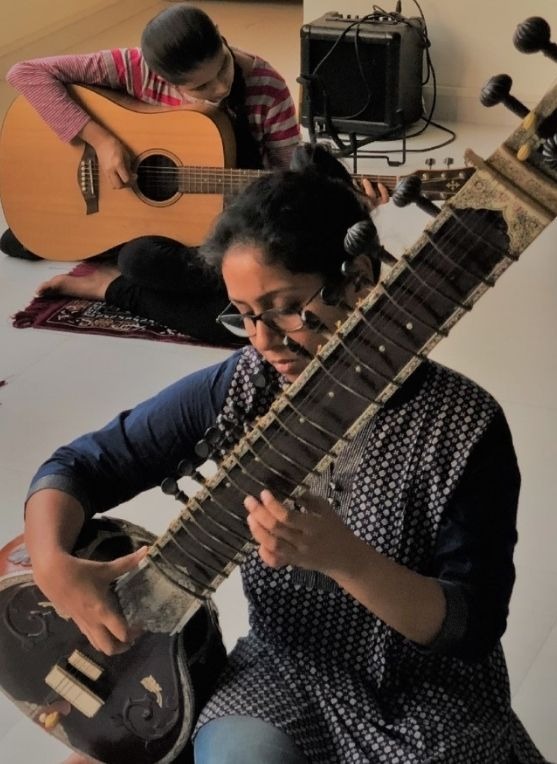
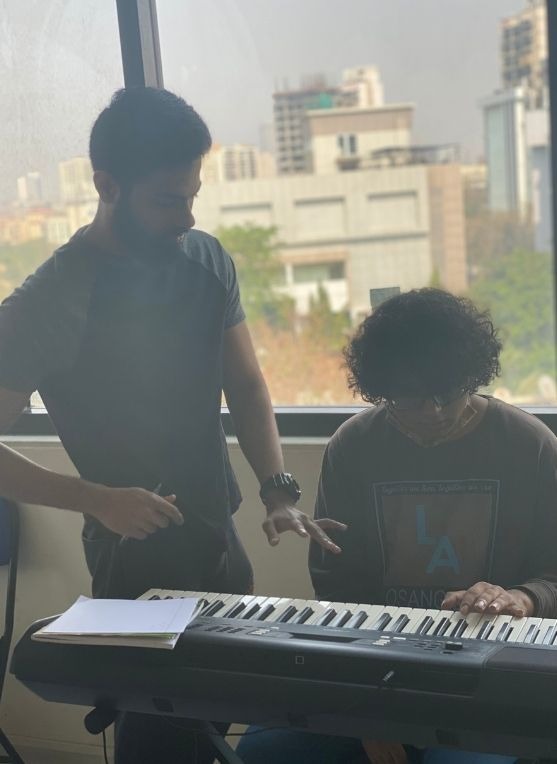
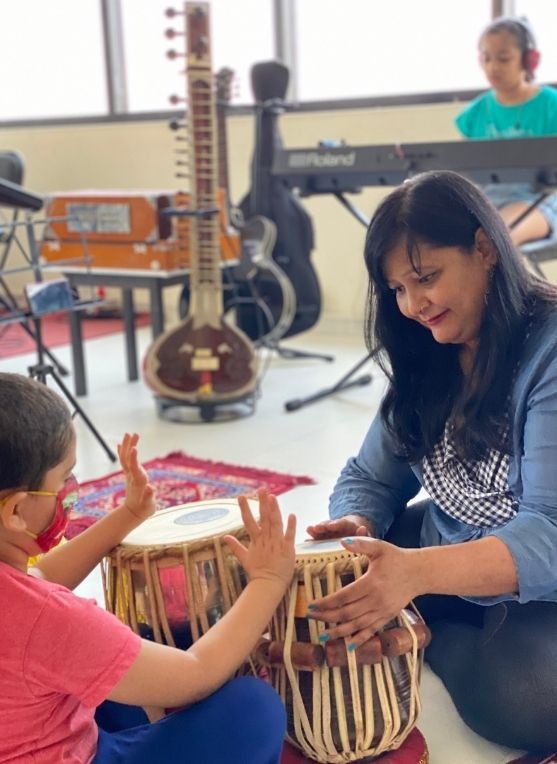

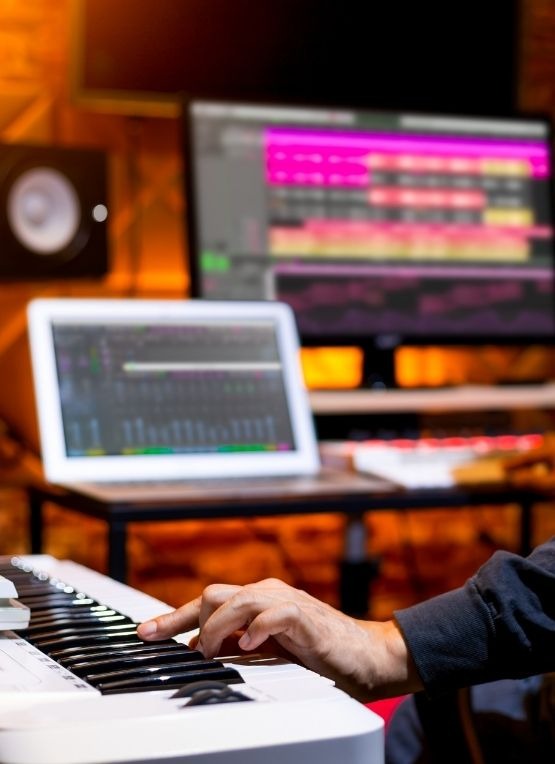
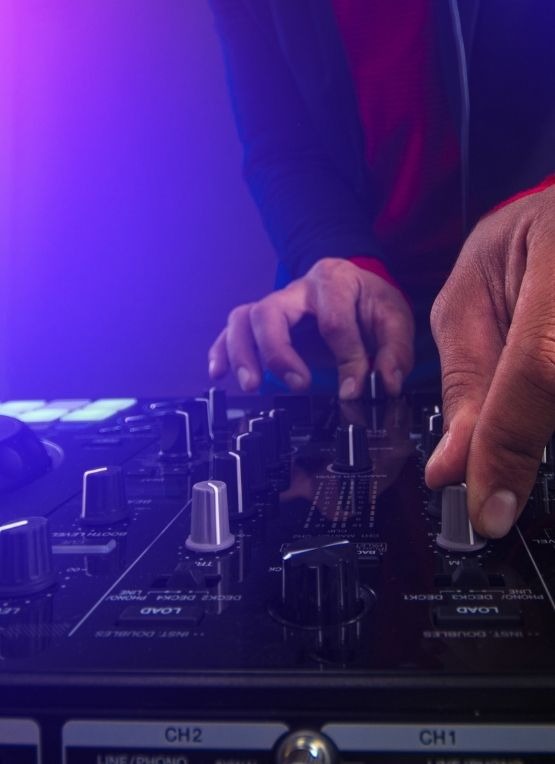























With spacious seating and a variety of musical insttuments, this academy not just teaches music but makes music a part of you.
Paranayajit Sodani 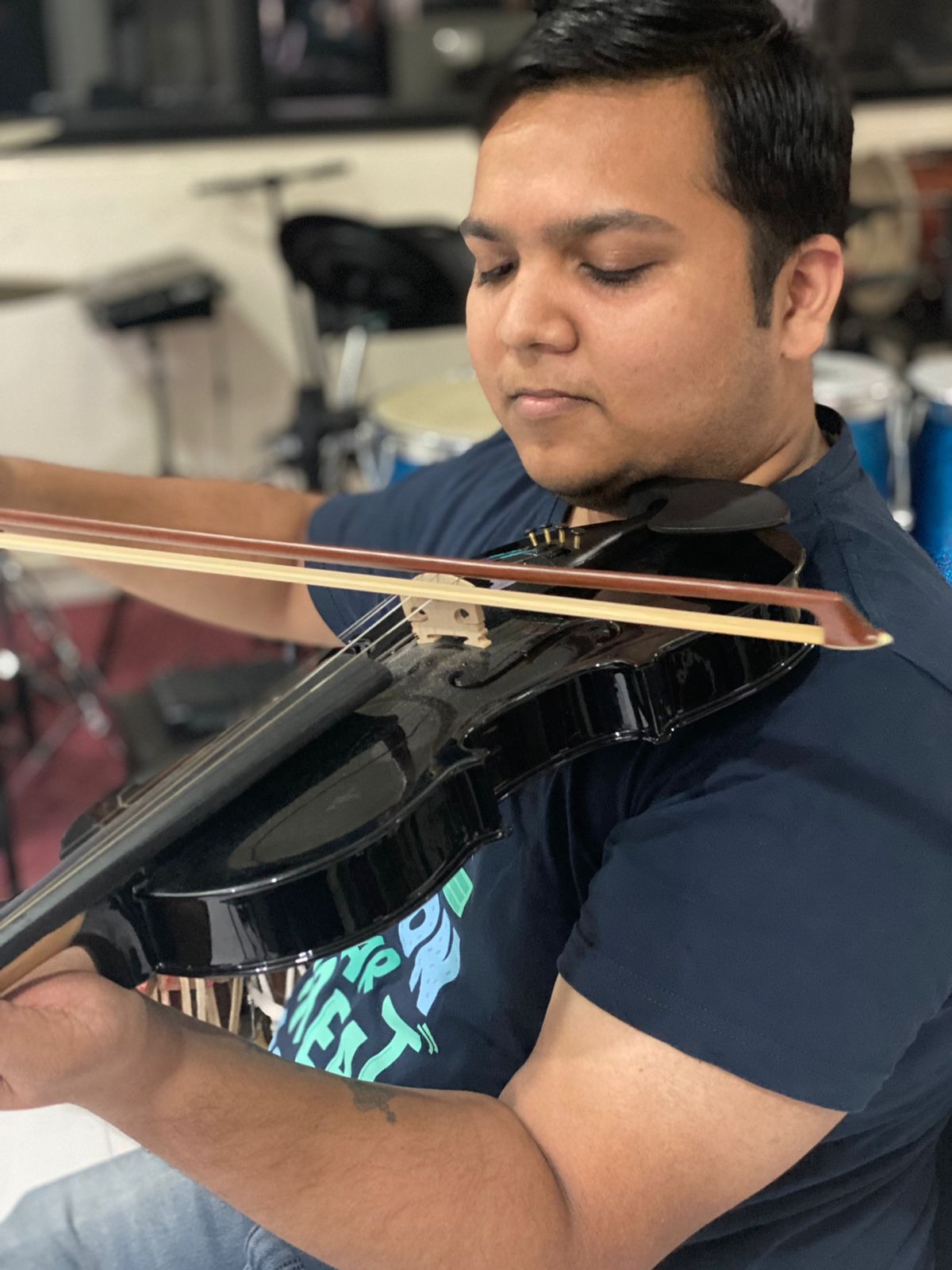
To be honest, music is everything for me.I just feel like god gifted me this special kind of magic into my voice so for maintaining that i want a good source who can help me reshape this magical voice. I never found a good source which is available 24/7, personally teach me or help me with my vocal and ukulele instrument so by so many years crossed here i came in Soulful.
Komal Joshi 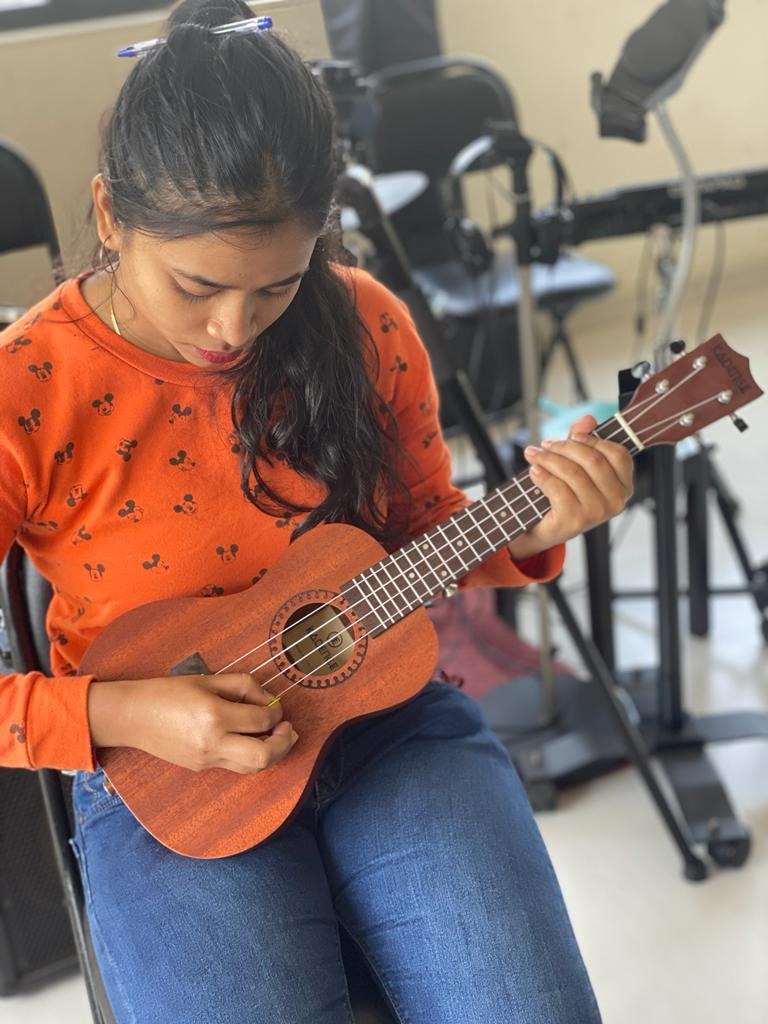
I always wanted to learn to play violin.. but never got a chance...few months back i came to know about the SoulFul Musik Academy and i got myself enrolled.. it is been 8 months and i am doing the full course of learning violin.. So now i can say Music can change the world because it can change people.
Seema Kashyap 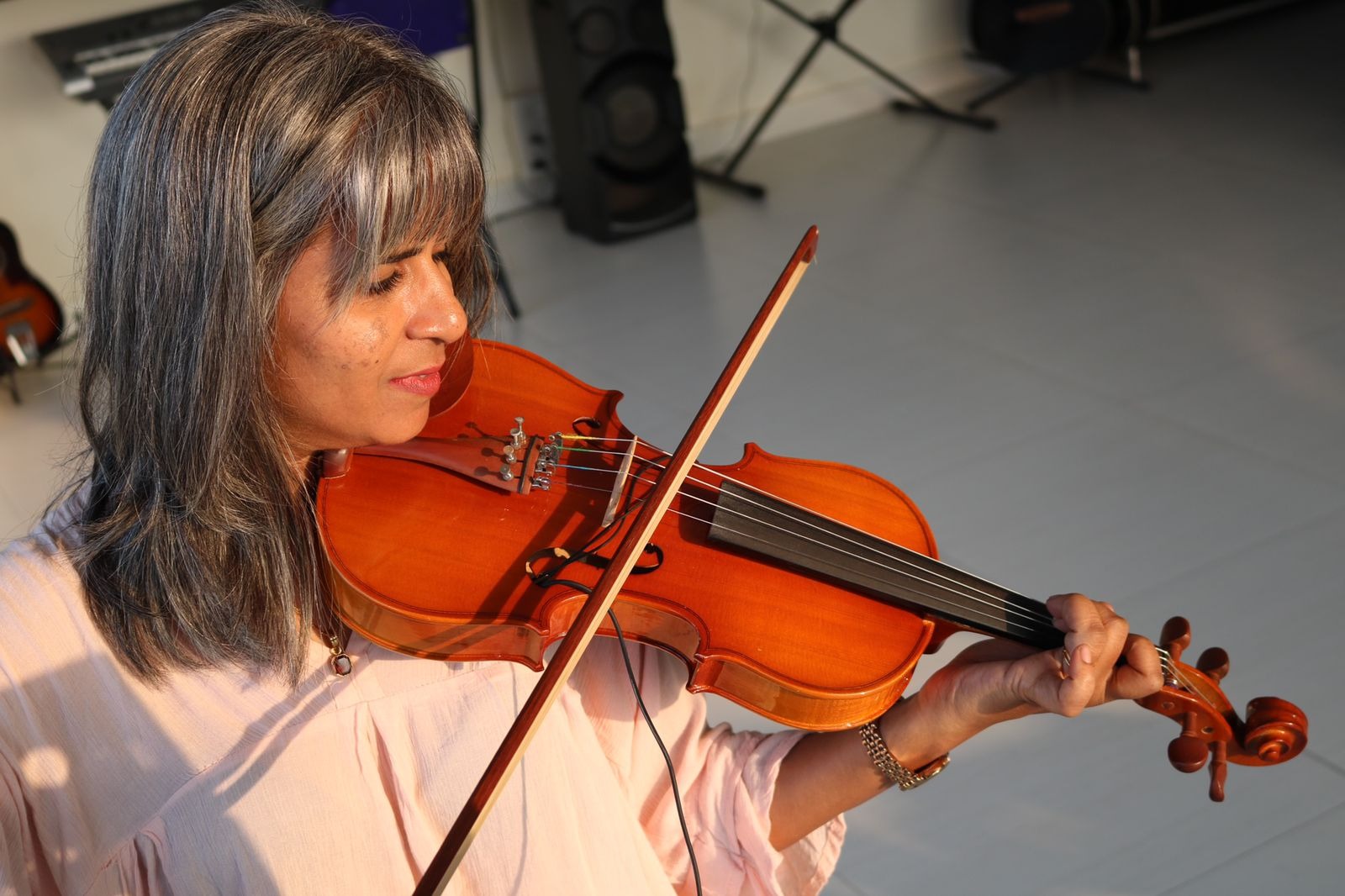
Soulful Music Academy is not just a music school where you find the instructor who will instruct you about the music but instead, it is a place where music flows in the air. One can actually connect the soul with the musical world at Soulful Music Academy.
Piyush Kashyap