Premium Ear Training for Serious Musicians
Build a sharper musical ear through structured work on pitch, intervals, rhythm, harmony, melodic memory and active listening — with a personalized learning pathway.
What is ear training? Ear training is the systematic practice of identifying, remembering and understanding musical sounds. A structured program can help learners become more deliberate listeners by working on pitch, intervals, rhythm, harmony, melody and musical memory.
What Is Ear Training?
Ear training turns listening into a deliberate musical skill. Instead of only hearing music as a whole, learners practice noticing individual relationships — such as pitch distance, rhythmic patterns, chord quality, melody and tonal movement.
For a singer, instrumentalist, producer or composer, the quality of listening influences how quickly a musical idea can be recognized, remembered, reproduced or communicated. Ear training can therefore sit alongside technical practice rather than replacing it.
A premium learning pathway should be structured around the learner's current listening ability, musical background and practical goals. Sessions can then move from foundational recognition exercises toward more demanding musical situations.
What You Can Work on in Ear Training
A structured ear training program can cover several listening abilities. The emphasis and sequence can be adapted according to the learner's level and musical objectives.
Pitch Recognition
Practice distinguishing notes, pitch direction and tonal relationships with increasing accuracy.
Intervals
Learn to hear and identify the distance between notes as a musical relationship.
Chords & Harmony
Develop awareness of chord qualities, harmonic movement and how sounds relate vertically.
Rhythm Recognition
Listen for pulse, subdivisions, accents and rhythmic patterns in practical musical contexts.
Melodic Memory
Strengthen the ability to retain and reproduce short melodic ideas after hearing them.
Active Listening
Move from passive hearing toward intentional analysis of musical details and relationships.
Musical Dictation
Practice translating heard musical patterns into written or otherwise clearly organized information.
Performance Listening
Apply listening skills while rehearsing, performing, recording or learning music by ear.
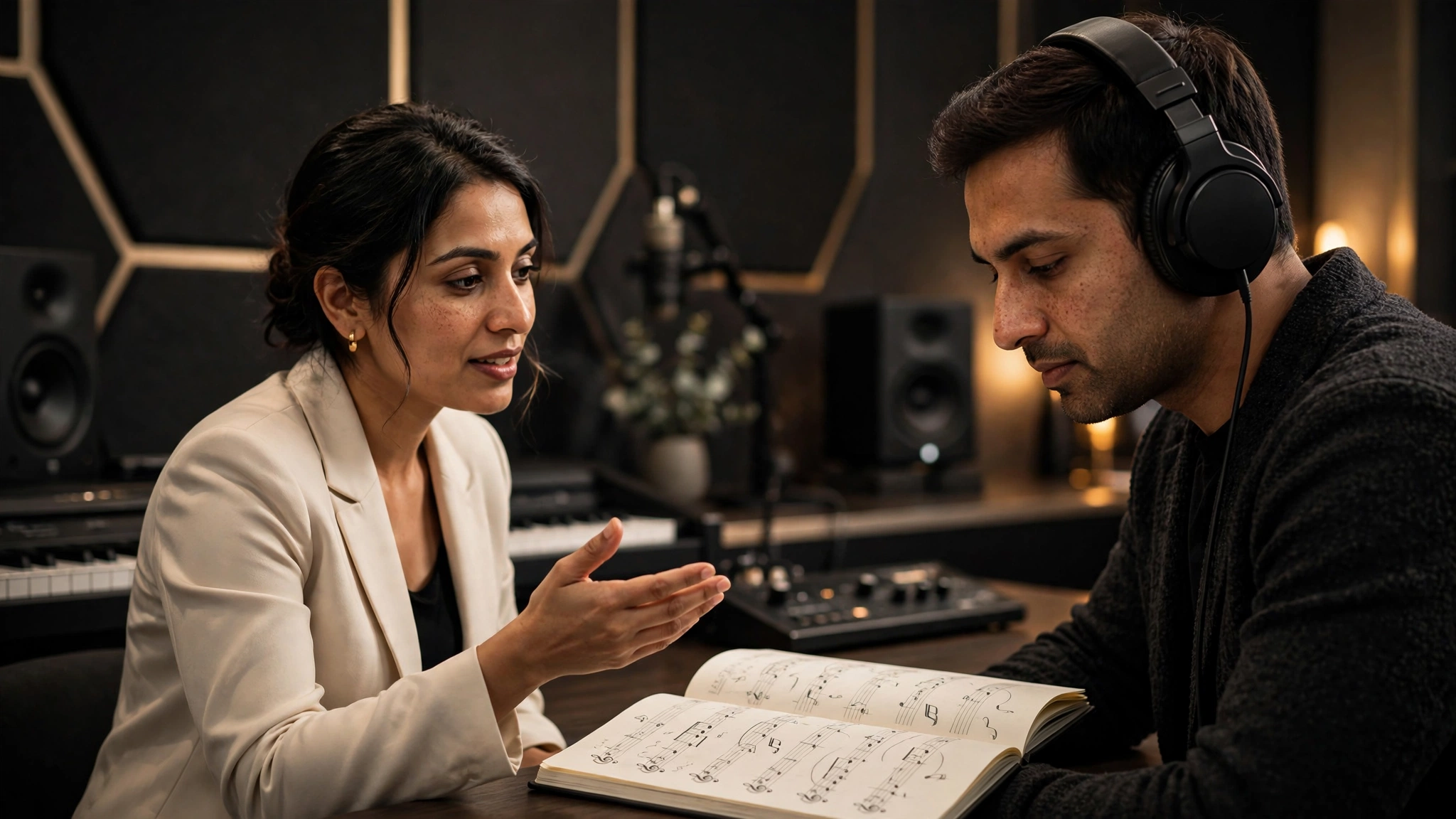
Ear training can be adapted to the learner's instrument, musical background, listening level and goals, with practical exercises that can connect study to real music-making.
From Listening Basics to Practical Musical Awareness
The exact sequence can vary by learner. A clear progression helps establish fundamentals before more advanced listening tasks are introduced.
Initial Listening Assessment
Identify current strengths, challenges, musical background and the type of listening the learner needs most.
Pitch & Tonal Awareness
Build the foundation for recognizing pitch, direction and basic tonal relationships.
Intervals & Chord Recognition
Move into relationships between notes and the sonic qualities of common harmonic structures.
Rhythm & Melodic Memory
Combine timing and memory exercises so the learner can follow, recall and reproduce musical ideas.
Real-World Listening Practice
Apply ear training to songs, rehearsals, performance preparation, recording and learning music by ear.
Built for Different Musical Goals
Ear training can support different types of musicians. The value comes from connecting listening exercises to the music the learner actually wants to understand, perform, create or produce.
Singers
Work on pitch awareness, intervals, melodic memory and listening during vocal practice.
Instrumentalists
Strengthen the ability to identify musical ideas and connect what you hear with your instrument.
Producers
Develop closer attention to pitch, rhythm, harmony, arrangement and sonic relationships.
Composers
Use stronger internal hearing and listening awareness while developing and evaluating musical ideas.
Performers
Support rehearsal, ensemble listening and real-time awareness of musical movement.
Serious Learners
Create a structured listening routine alongside instrument or vocal study at any appropriate level.
Private, Online and Flexible Learning Options
The learning environment should match the student's schedule, location and need for direct guidance. Ask the academy which current formats are available for your program.
One-to-One
Personal attention with exercises selected around the learner's current skill level and musical objectives.
Online Training
Remote learning for students who need a structured ear training program outside the physical academy.
In-Person
Face-to-face learning where the appropriate academy or studio arrangement is available.
Customized Pathway
Training can be shaped around the learner's instrument, musical context, listening goals and progression.
Program Fee & Payment Option
The page presents the current basic standard fee supplied for this program. Confirm the exact curriculum, inclusions, schedule and payment terms with the academy before making a commitment.
A premium structured learning program with personalized musical listening development.
- Pitch and interval work
- Rhythm and melodic memory
- Chord and harmonic listening
- Active listening practice
- Personalized learning direction
Speak to the Academy First
Because this is positioned as a premium personalized program, the consultation should establish the learner's goals, musical experience, preferred format, schedule and exact program scope before enrollment.
- Confirm the program curriculum
- Confirm learning format and availability
- Confirm payment and financing terms
- Confirm what the quoted fee includes
- Discuss the learner's starting level
Ear Training Within a Wider Music Ecosystem
Ear development becomes more practical when it connects with real musicianship — practice, recording, instruments, professional audio and performance environments.
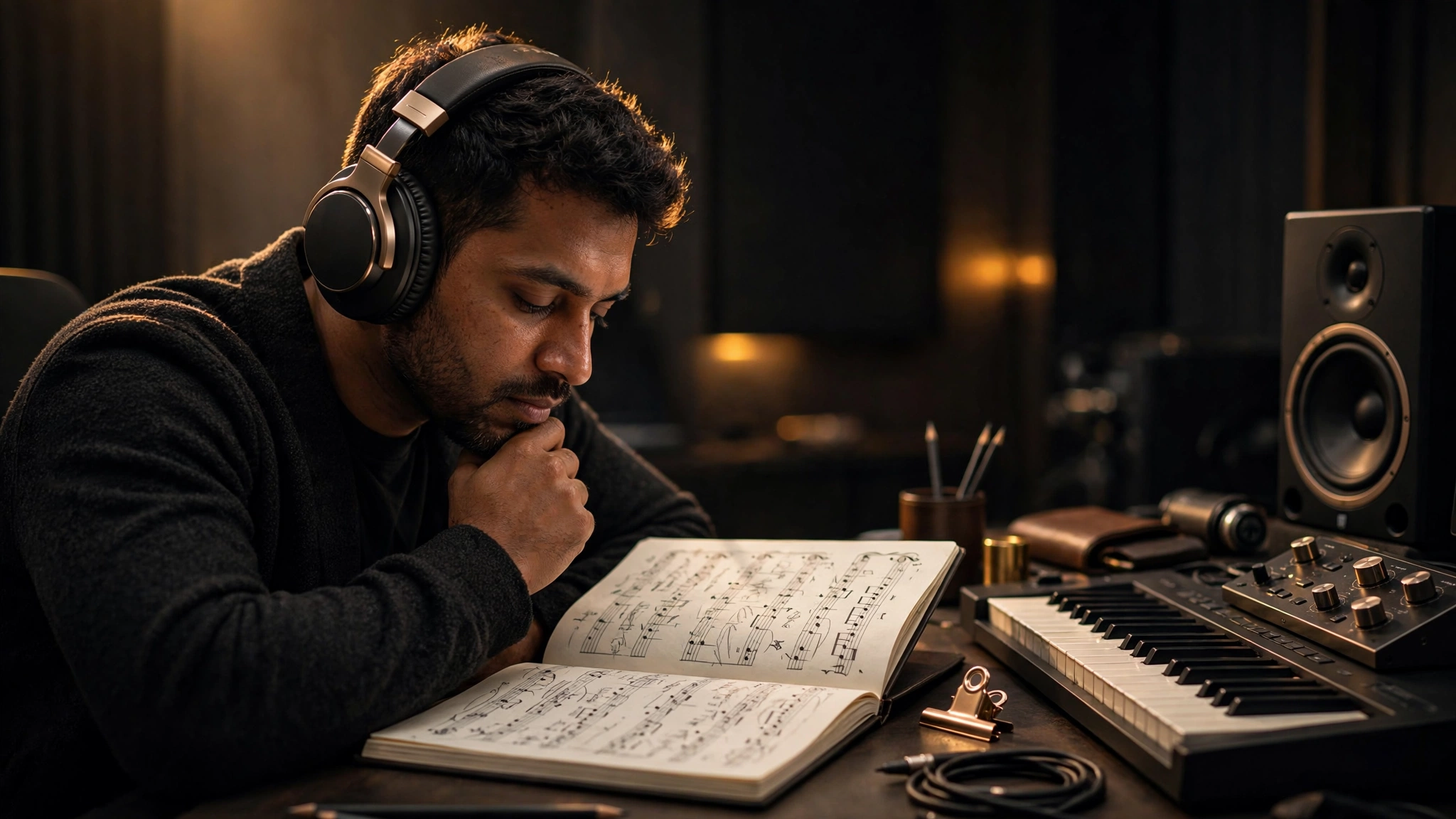
Online Learning
Remote instruction can give learners a structured path while keeping practice connected to their own musical environment.
Music Beyond the Lesson
Practice, recording, instruments and live music contexts can provide practical places to apply listening skills.
Continue Learning with SoulFul Music Resources
Explore related learning resources and musical practice environments while keeping Ear Training as the main program focus.
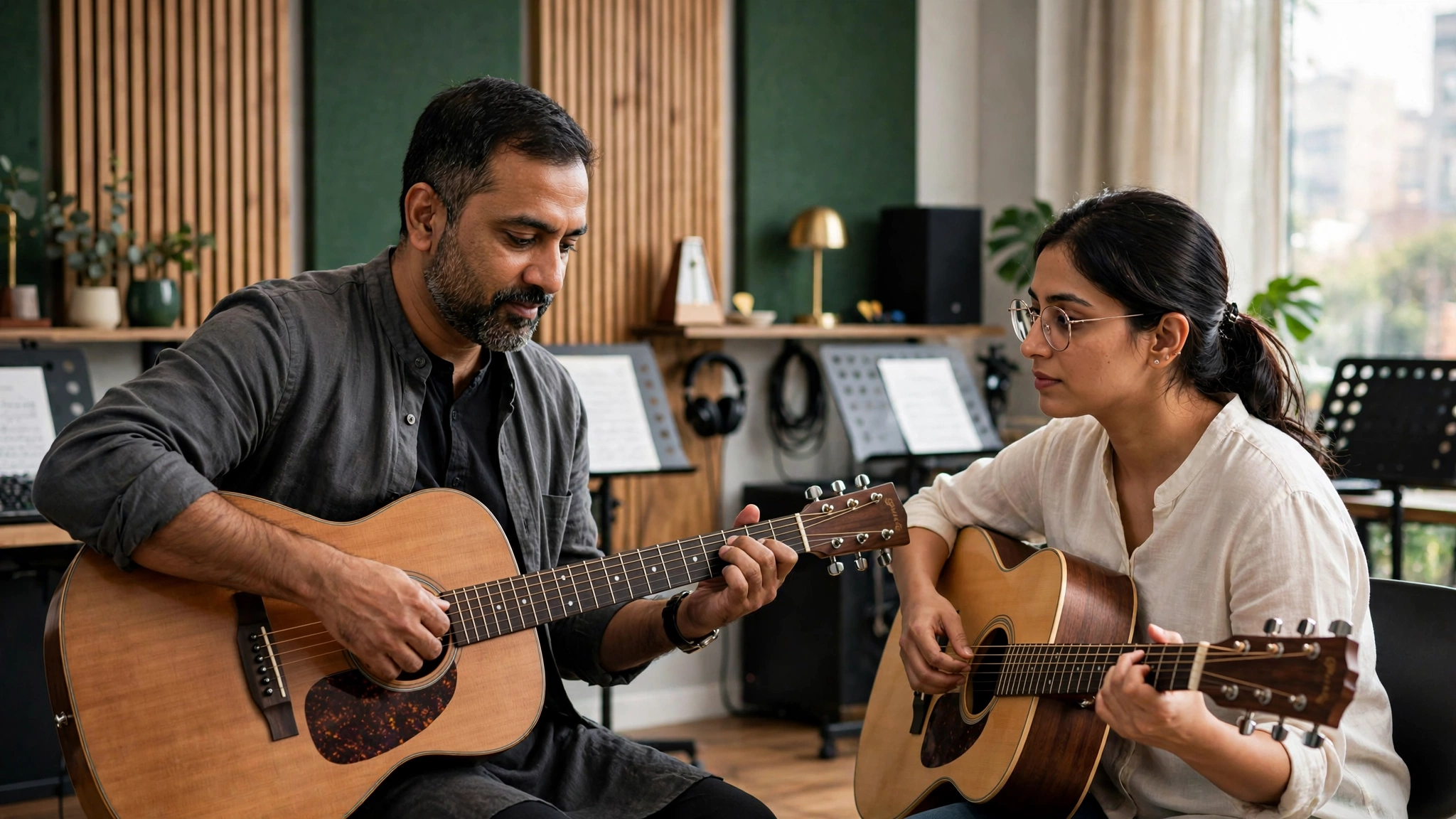
Structured Guitar Classes
Explore another structured music-learning pathway where listening and technical practice meet.
Explore Guitar Classes →
What Is Beatboxing?
Learn about vocal percussion, rhythmic awareness, foundational sounds and practice.
Read the Beatboxing Guide →
Guitar Practice & Musical Development
Explore the broader guitar learning hub and related practice resources.
Explore Guitar →Ear Training Program FAQs
Common questions learners may have before discussing the program with SoulFul Musik Academy.
What is ear training?
Who can study ear training?
Can ear training be learned online?
Is private one-to-one ear training available?
What does the basic standard program cost?
What is the 60-month payment amount?
What should I discuss during the consultation?
Build a More Deliberate Musical Ear.
Discuss your musical goals with SoulFul Musik Academy and understand whether a structured Ear Training program is the right fit for your current level and learning needs.