
Discover the
Dhol.
Learn Its Rhythm, Story & World.
Explore the Dhol from every angle — its history, structure, sound, playing techniques, cultural traditions, beginner learning, classes, events, recording, instruments and the wider SoulFul Musik ecosystem.
What exactly is a Dhol?
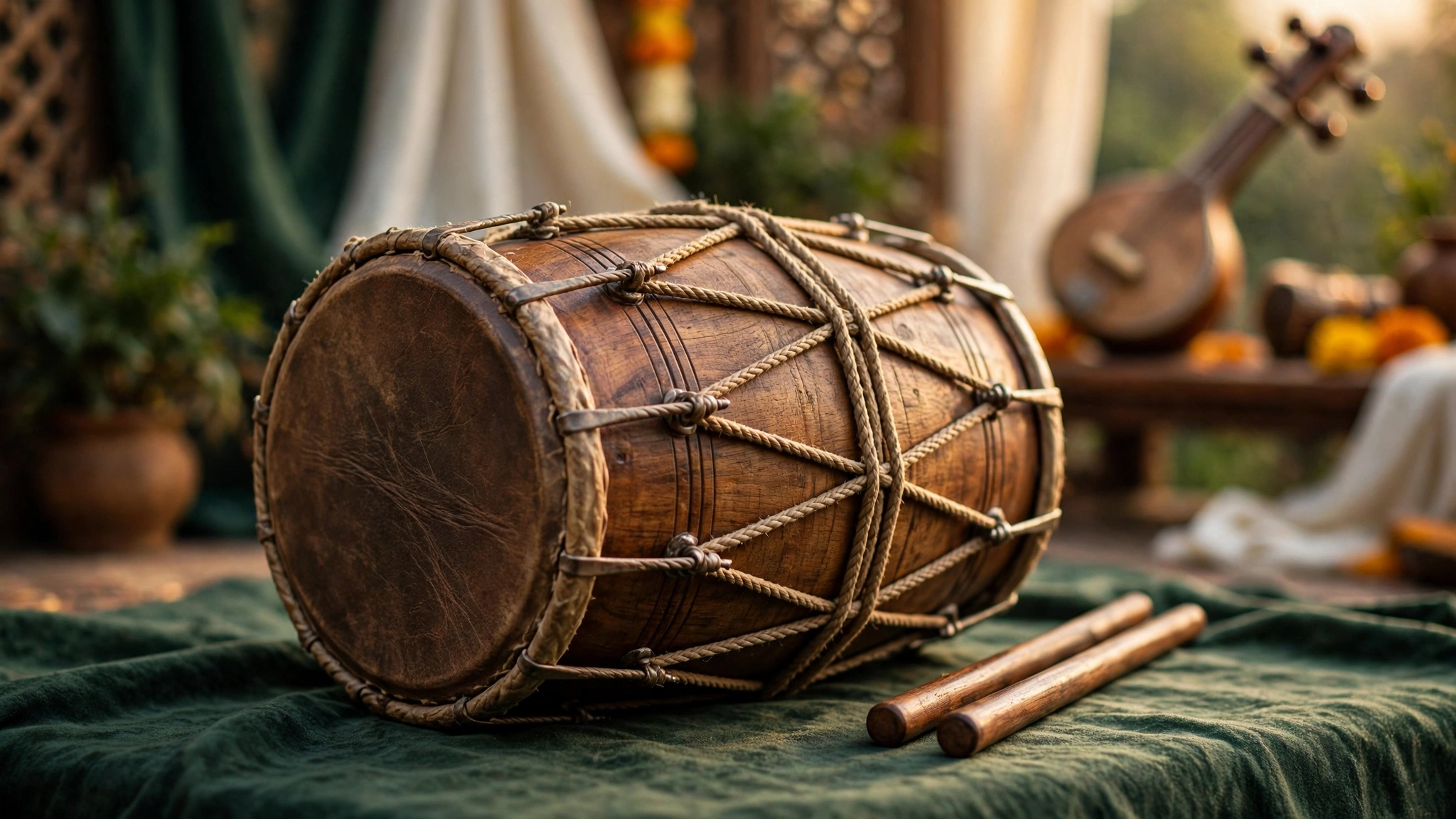
The Dhol is a large double-headed percussion instrument known for its strong projection, physical rhythmic presence and connection with a wide range of South Asian musical and cultural traditions.
A Dhol commonly has a resonant wooden body, two drumheads, a tensioning system and playing sticks. The details can vary according to regional traditions, construction methods, musical styles and performance requirements.
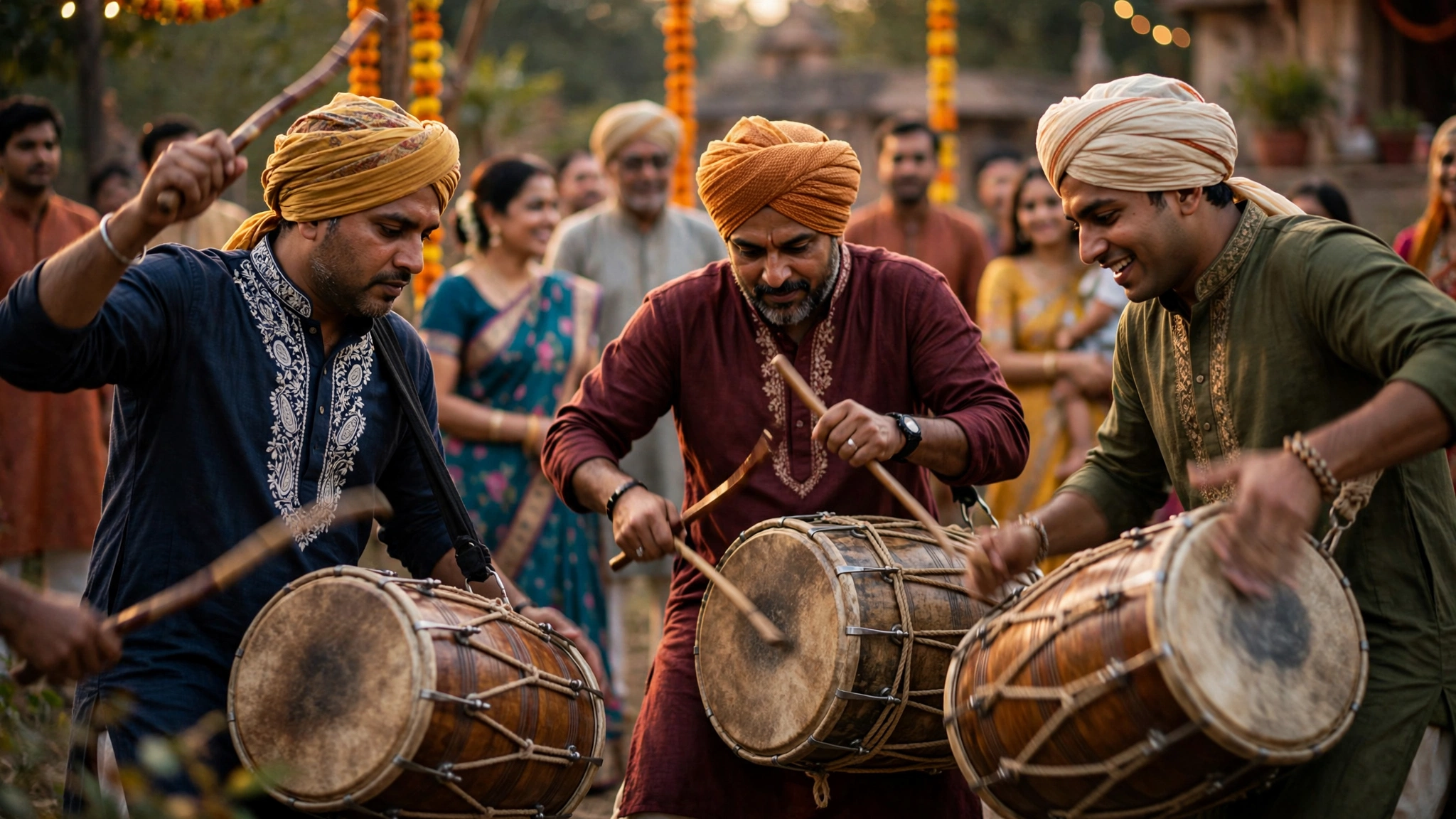
Today, the Dhol can be encountered in cultural celebrations, festivals, weddings, processions, folk music, live stages, contemporary productions and recording environments.
Want the deeper answer?
Read the dedicated guide covering Dhol history, structure, sound and uses in greater detail.
Read What Is a Dhol? →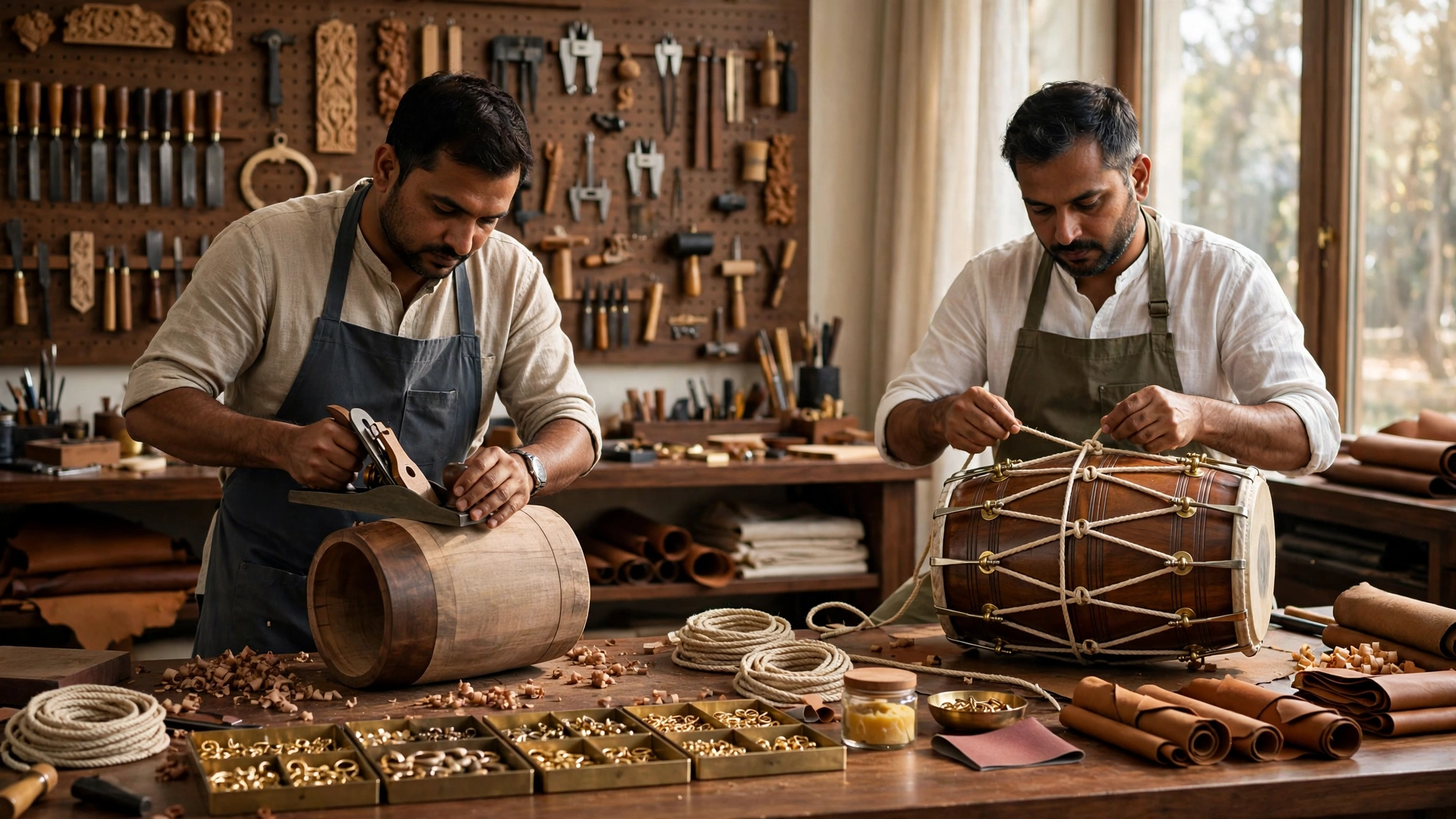
What Is a Dhol?
Understand its basic form, role and place within Indian and South Asian percussion traditions.
Dhol History
Explore the historical and cultural development of Dhol traditions without reducing them to one regional story.
Dhol Structure
Learn about the shell, two drumheads, tension system, sticks and construction details.
Dhol Sound
Understand how the instrument produces powerful low, bright and accentuated rhythmic sounds.
How Dhol Is Played
Explore posture, sticks, timing, coordination and progressive rhythm development.
Dhol in Culture
Discover how Dhol connects with festivals, celebrations, folk music, public gatherings and performances.
A Dhol tradition shaped by regions, communities and music.
The history of the Dhol is broad and geographically diverse. It is more accurate to speak about multiple Dhol traditions than to reduce the instrument to one simple origin story.
A long-standing drum tradition
Related double-headed drums appear across South Asian and neighboring musical traditions, with regional construction and performance practices developing over time.
Strong regional identities
Punjab, Maharashtra and other musical regions have developed their own contexts, ensembles, rhythms and performance traditions around large double-headed drums.
From community rhythm to modern production
Dhol has expanded beyond traditional settings into live music, professional events, studio recording, contemporary arrangements and international performances.
Culture remains part of the sound
The instrument's importance comes not only from its construction but also from the community traditions, celebrations and musicians who give its rhythms meaning.
Inside the Dhol
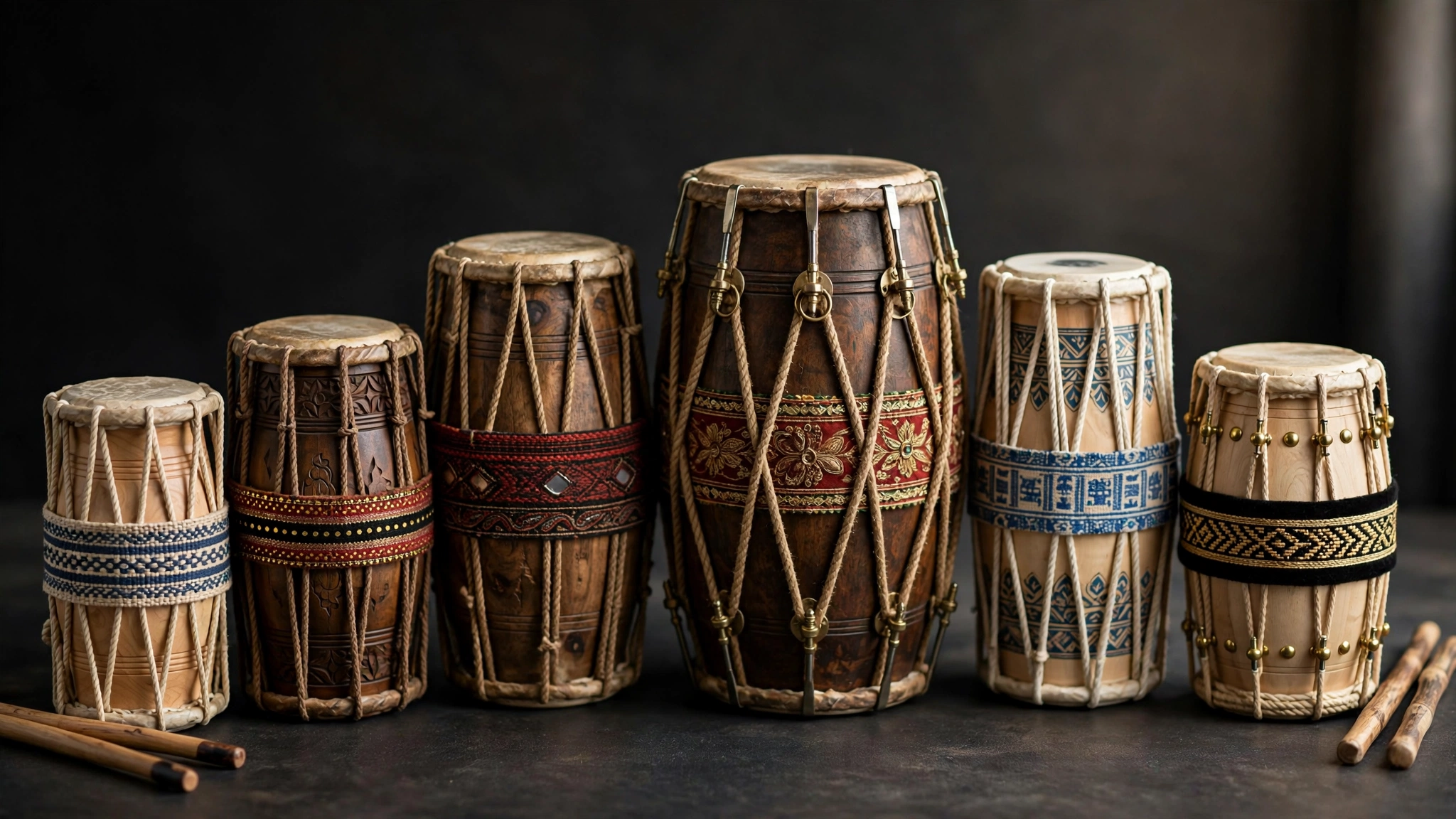
The Dhol combines a resonant body with two playing surfaces and a tensioning system that allows the performer to produce contrasting rhythmic voices.
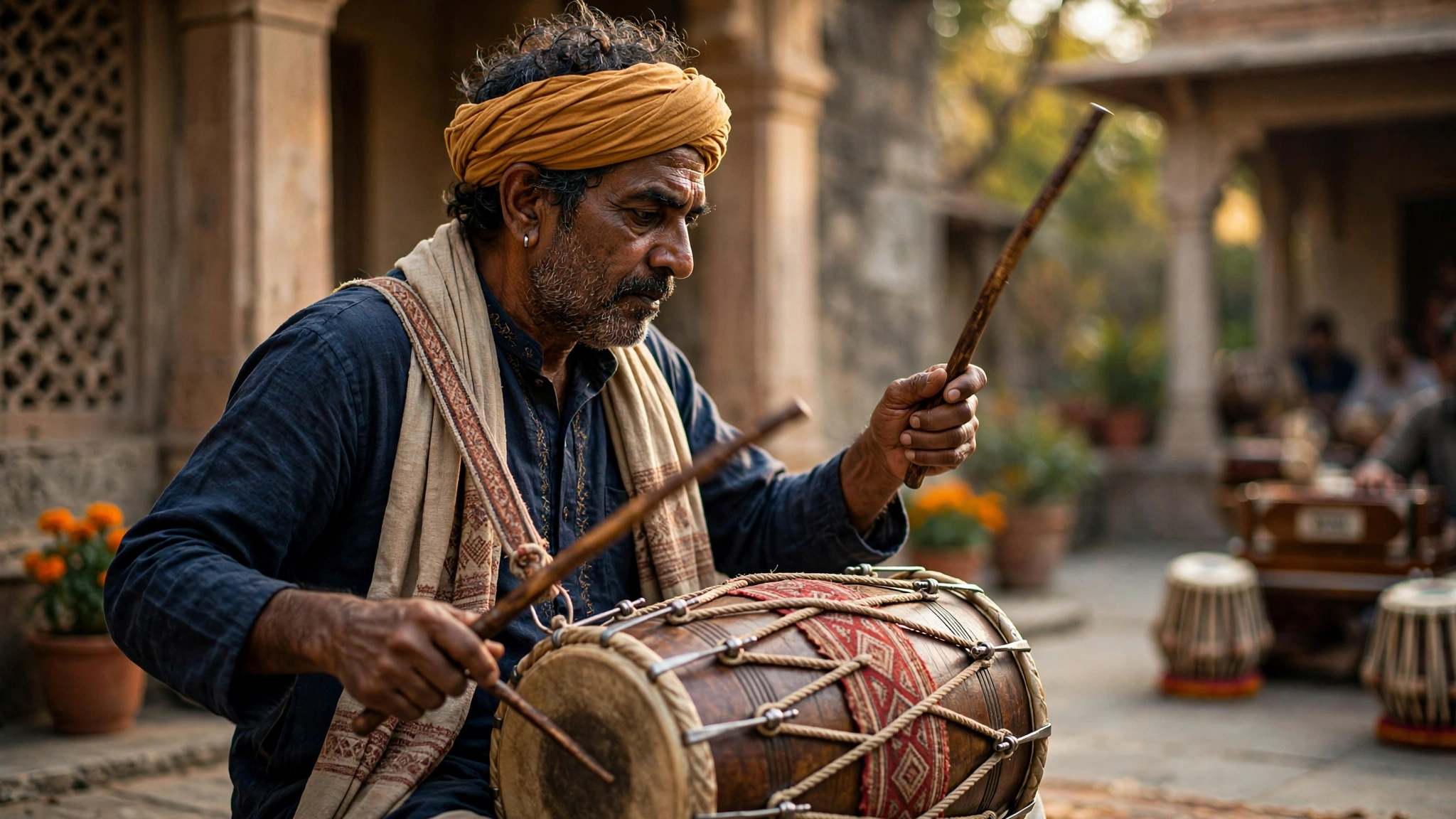
Why does the Dhol sound so powerful?
The Dhol's sound comes from the interaction between its resonant body, two drumheads, tension, sticks, technique and the acoustic environment in which it is played.
Its strong projection allows rhythmic patterns to remain prominent in outdoor gatherings, celebrations and live performances. Different strokes and playing approaches can add depth, brightness, accents and movement.
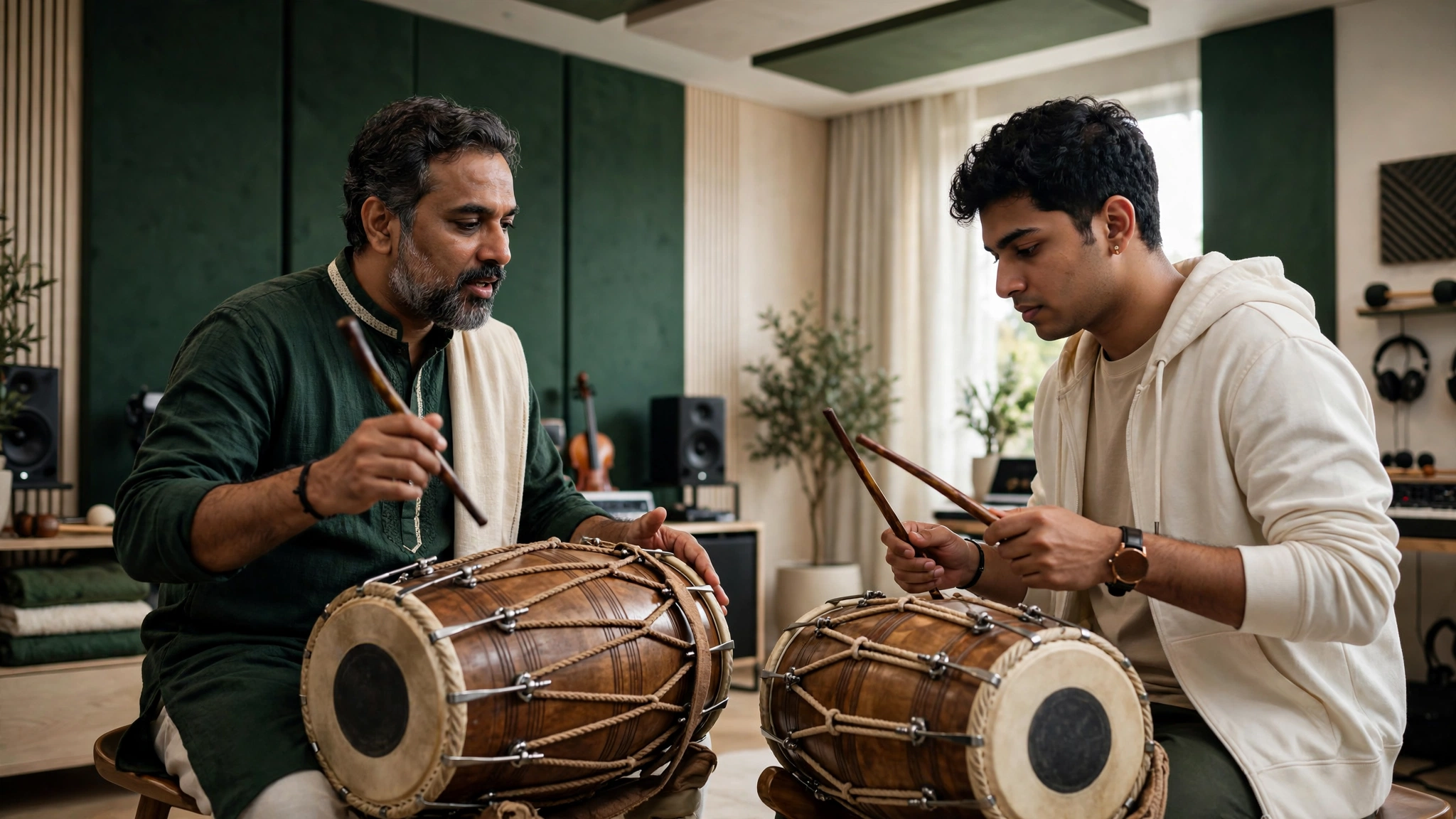
A beginner can learn the Dhol step by step.
Learning Dhol is not only about playing loudly or quickly. Strong fundamentals come from posture, coordination, timing, controlled strokes and consistent rhythmic practice.
A practical learning progression
SoulFul Musik Academy's broader education ecosystem can support learners who want structured musical development.
Explore SoulFul Academy →Dhol classes in Goregaon East, Mumbai, India & online.
Dhol learning can be approached locally in Mumbai as well as through online music education where the service and learning format are appropriate. The right learning pathway depends on the student's level, goals, schedule and desired musical context.
Goregaon East
A key local area for SoulFul Musik Academy's music education presence. Learners can explore structured musical development through the academy ecosystem.
Goregaon & Mumbai
Dhol learners from Goregaon and across Mumbai can explore musical education, practice and performance pathways through the wider SoulFul network.
India & Online Worldwide
Online learning can make Dhol education accessible to students outside Mumbai, including learners across India and suitable students internationally.
One instrument. Many musical worlds.
Dhol is not limited to one environment. Its strong rhythmic presence makes it useful across cultural, educational, performance and production settings.
Festivals
Dhol can create collective rhythmic energy during Indian cultural celebrations and public festivities.
Weddings & Processions
Its powerful projection makes it well suited to celebrations, processions and large gatherings.
Live Music
Professional performers can use Dhol to create physical rhythmic impact on stage.
Rehearsal & Jam
Learners and musicians can develop timing and coordination through regular collaborative practice.
Studio Recording
Dhol can contribute powerful acoustic percussion to songs, films, fusion projects and contemporary productions.
Music Learning
Students can study Dhol through structured practice, technique development and progressive rhythmic training.
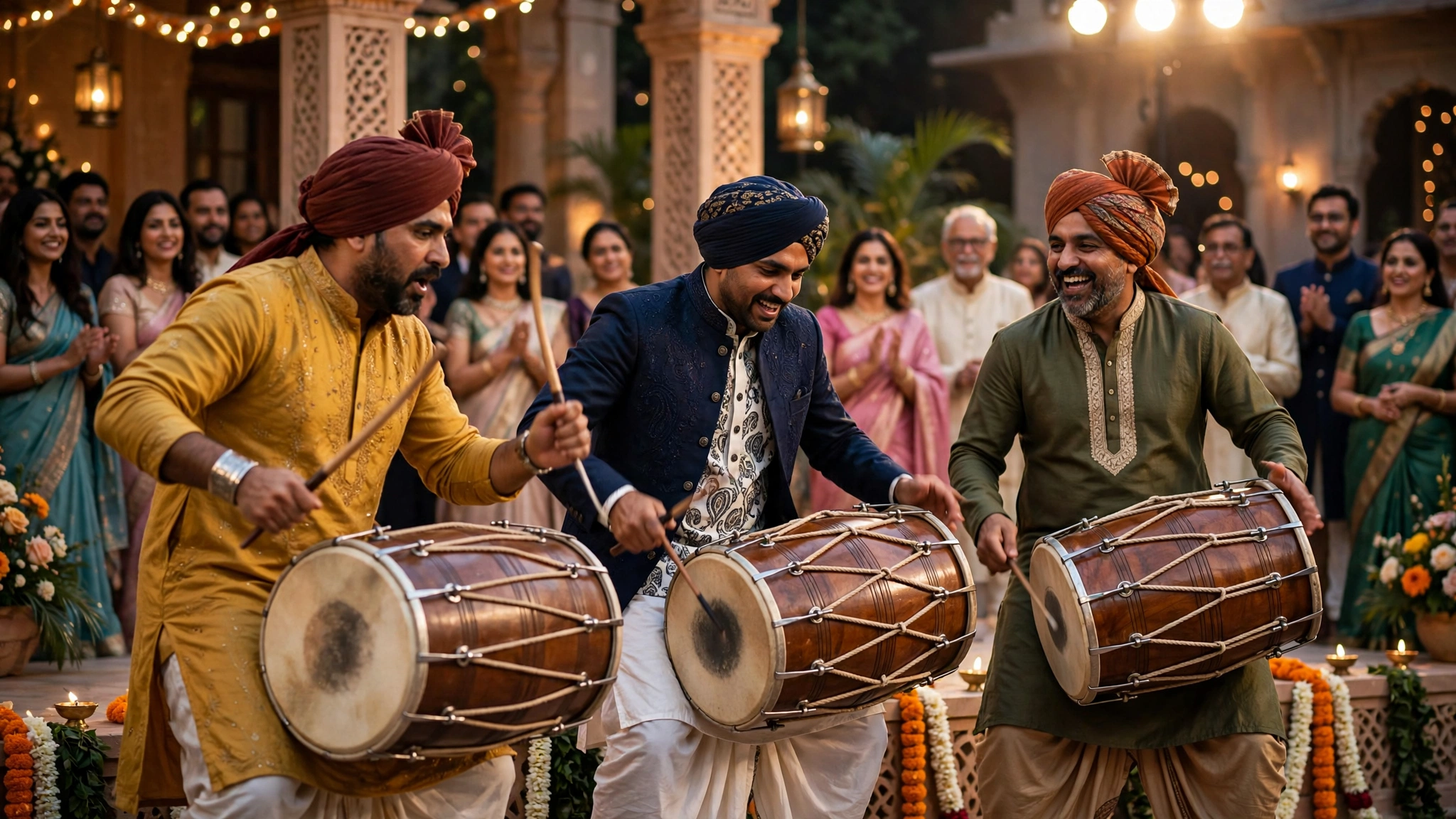
The Dhol journey does not end with the lesson.
A Dhol enthusiast may move through different stages: understanding the instrument, learning it, choosing one, practicing, maintaining it, recording it or performing it. The relevant SoulFul specialist can support different parts of that journey.
Choosing a Dhol
Consider size, construction, comfort, drumheads, tension, craftsmanship and intended musical use.
Renting or Pre-Owned
Rental or carefully inspected pre-owned instruments can be useful for different stages of the player's journey.
Maintenance & Repair
Proper storage, tension checks and professional servicing can help preserve a Dhol's playing condition.
Rehearsal
Regular practice builds timing, coordination, consistency and confidence.
Recording
Dhol can become part of studio sessions, songs, film work, live recordings and contemporary arrangements.
Events & Artists
Professional Dhol players can bring a strong live rhythmic presence to events and musical performances.
From one Dhol to an entire musical world.
The Dhol can connect learning, instruments, practice, recording, events, artists, technology, certification, manufacturing and wider music-business services. Explore the SoulFul ventures below.
Frequently asked questions about Dhol
A Dhol is a large double-headed percussion instrument, commonly built around a resonant wooden body and played with sticks. Regional forms and performance traditions can differ.
Beginners can learn Dhol progressively by developing posture, stick handling, timing, coordination and simple rhythmic patterns before moving into advanced performance.
Dhol is used in festivals, weddings, processions, cultural programs, folk traditions, live performances, community events and contemporary music production.
No. Dhol and Dholak are different double-headed percussion instruments. Dhol is generally larger and commonly played with sticks, while Dholak is smaller and commonly played with the hands.
Yes. Dhol can be recorded for songs, films, live sessions, fusion projects and contemporary music productions.
Learn the rhythm. Understand the instrument. Enter the wider music world.
Explore Dhol education, performance, music production, instruments and the wider SoulFul Musik ecosystem through one connected destination.