
🎶 Rabab – A Traditional String Instrument with Rich Cultural and Classical Heritage
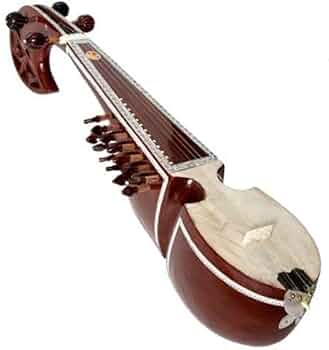
The Rabab is a traditional string instrument known for its deep, resonant, and soulful sound. It is widely used in classical, folk, and spiritual music across South Asia and Central Asia, especially in Afghanistan, Pakistan, and parts of India.
📖 About Rabab:
The Rabab is one of the oldest string instruments in the world, carved from wood and covered with animal skin on the resonating body. It is played by plucking strings with fingers or a plectrum.
It holds a special place in Afghan, Sufi, and Indian classical music traditions. The Rabab produces a warm, emotional, and earthy tone that makes it perfect for storytelling and devotional music.
Over time, it has also been adapted into modern fusion and world music compositions.
🎵 Key Features:
• Traditional carved wooden body
• Skin-covered resonating chamber
• Plucked string instrument
• Deep, warm, and soulful tone
• Rich cultural and historical heritage
• Suitable for classical and folk music
🎼 Benefits of Learning Rabab:
• Connects with traditional music roots
• Improves plucking and finger control
• Enhances musical expression and emotion
• Builds understanding of folk/classical fusion
• Strengthens rhythm and melody sense
• Ideal for cultural performances
🎯 Learning Opportunities:
Students learning Rabab can explore:
• Basic string plucking techniques
• Traditional folk melodies
• Classical ragas adaptation
• Rhythm (Taal) practice
• Solo and ensemble performances
• Improvisation in folk music
🌟 Musical Applications:
The Rabab is commonly used in:
• Sufi and devotional music
• Afghan and Central Asian folk music
• Indian classical fusion
• Stage and cultural performances
• Film background music
• Traditional storytelling music
🎓 Why Learn Rabab?
The Rabab is a traditional string instrument known for its deep, resonant, and soulful sound. It is widely used in classical, folk, and spiritual music across South Asia and Central Asia, especially in Afghanistan, Pakistan, and parts of India.