Music Classes for Kids in Malad East, Mumbai
A parent-focused guide to choosing age-appropriate music learning, from beginner instrument and vocal classes to private tuition, practice and performance development.
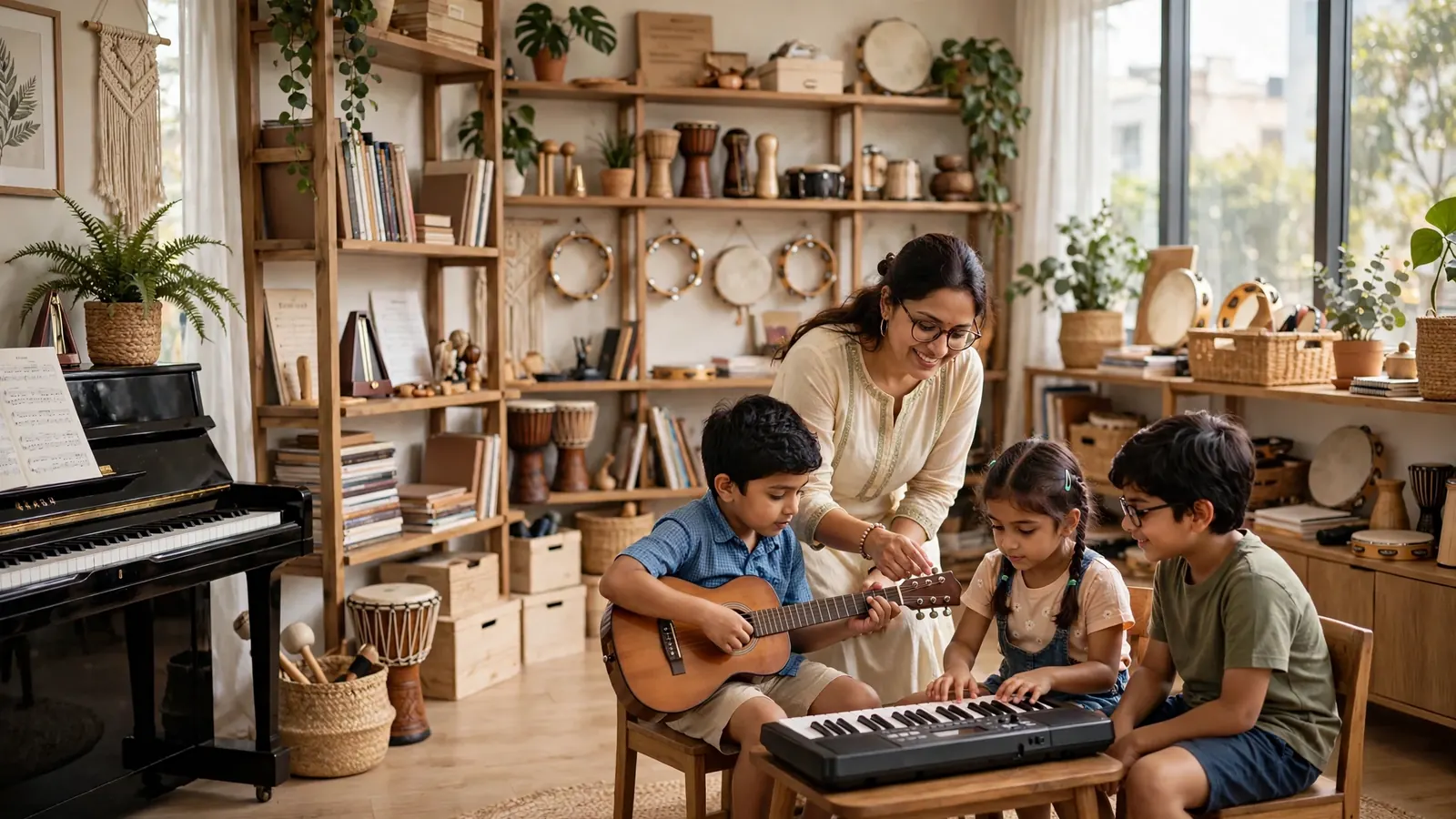
Practise
Grow
Perform
For parents, the strongest decision usually comes from comparing the teaching approach, instrument fit, lesson format, schedule, practice guidance and opportunities to build confidence.
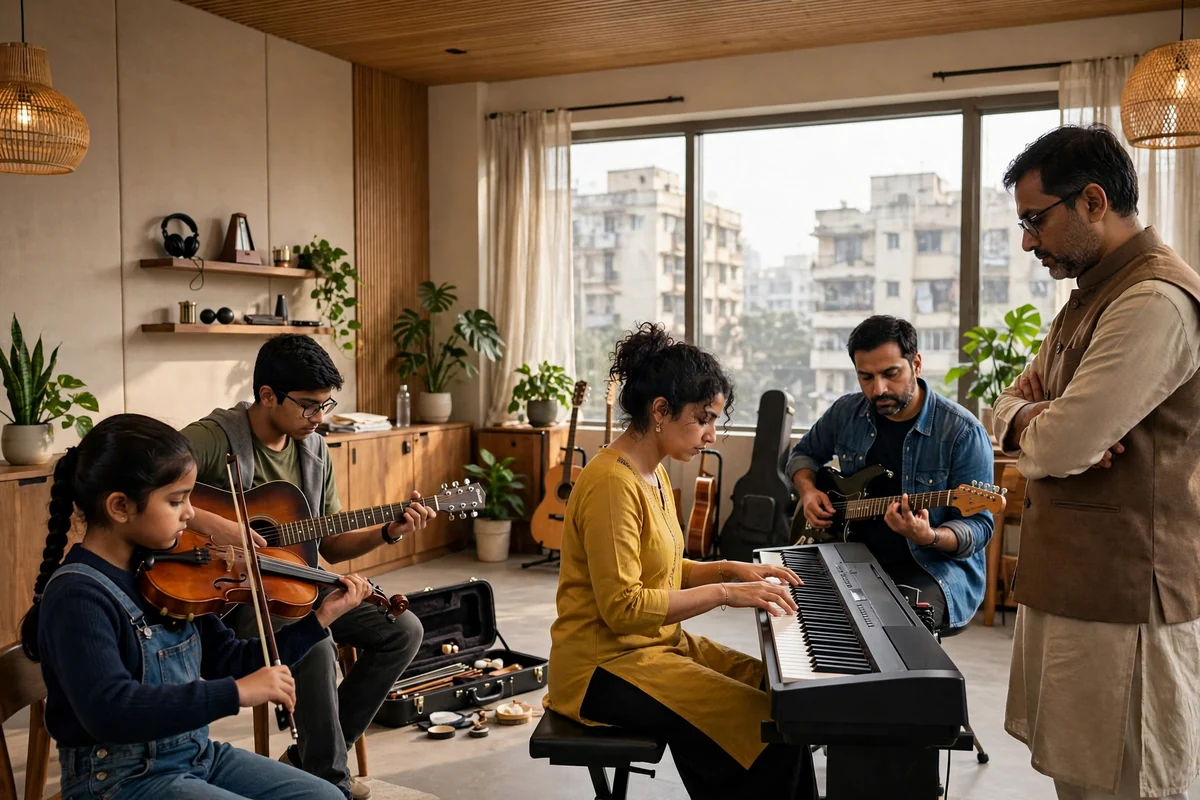
Music Classes for Kids in Malad East
Choosing music classes for a child is different from choosing a hobby simply by convenience. The learning environment, teacher communication, instrument choice and pace can influence whether a child enjoys regular practice and continues learning.
Parents in Malad East can start by deciding what kind of experience they want for the child: an introductory music activity, structured instrument lessons, vocal training, private tuition, or a longer-term path toward confident performance.
Start with the child — not only the instrument.
A good first class should feel achievable while still giving the child something meaningful to practise and improve. Interest, attention span, posture, schedule and teacher-child communication all matter.
Why Music Learning Can Be Valuable for Children
Music lessons can introduce children to listening, rhythm, coordination, repetition and creative expression. The experience is most useful when the learning process is enjoyable, structured and suited to the learner.
Musical Awareness
Children can develop listening habits by noticing rhythm, melody, dynamics, timing and patterns.
Coordination
Playing an instrument can involve coordinated movement, timing and attentive repetition.
Creative Expression
Music gives children a constructive way to explore sound, repertoire and personal expression.
Confidence
Progressive practice and optional performance can help children become more comfortable sharing their skills.
Children learn differently. A realistic practice routine and positive feedback are generally more sustainable than pressure to progress too quickly.
Which Music Classes Are Suitable for Kids?
The best instrument for a child is usually the one that fits their interest, physical readiness, attention span and access to appropriate teaching.
Guitar Classes
Acoustic guitar can introduce rhythm, chords, strumming and simple repertoire. Electric guitar may suit older or more focused learners.
Piano & Keyboard
Keyboard and piano lessons can build coordination, pitch awareness, rhythm and structured practice.
Violin Classes
Children need careful guidance around posture, bow control, intonation and gradual technical development.
Singing Classes
Vocal learning can introduce breath, pitch, listening, repertoire and healthy singing habits.
Percussion Classes
Rhythm-focused learning can be engaging for children who naturally respond to pulse and movement.
Music Foundations
Basic theory, ear training and rhythm activities can complement practical instrument lessons.
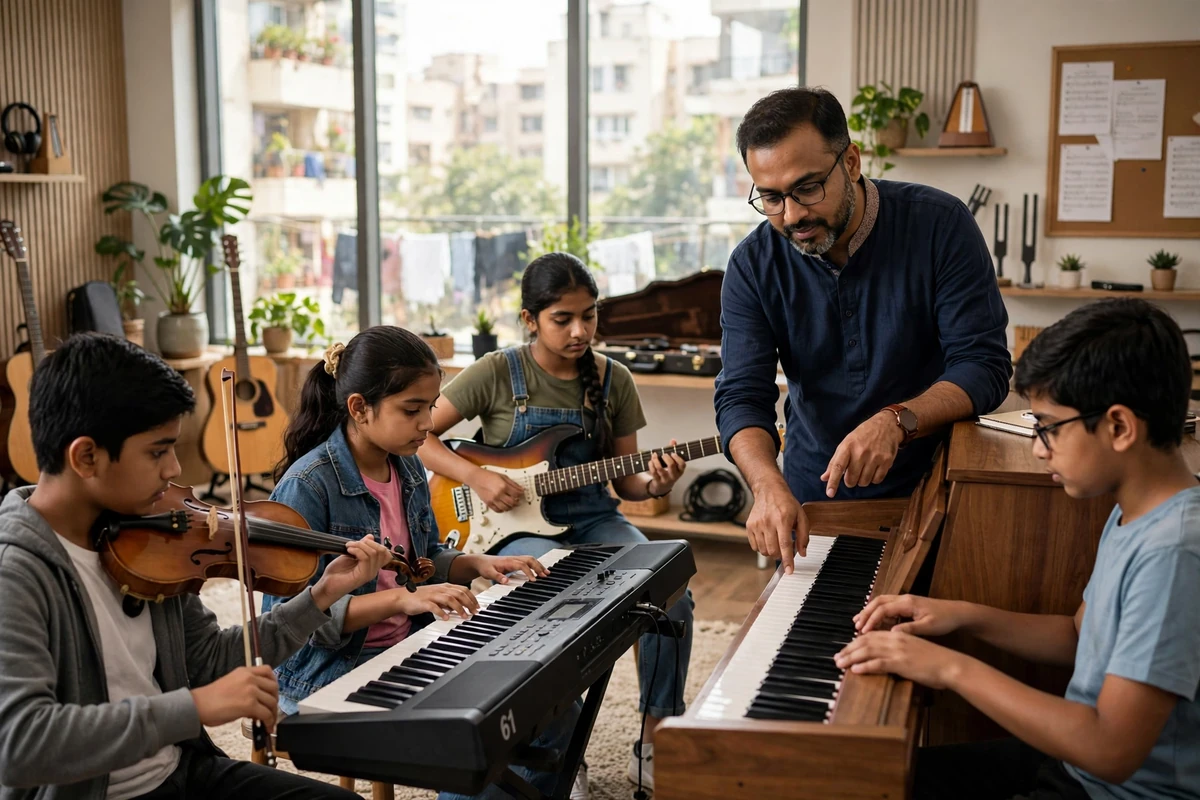
Music Learning by Age & Stage
Age can influence class length, repertoire, the amount of explanation needed and the type of practice that a child can comfortably manage.
| Stage | Useful focus | Parent consideration |
|---|---|---|
| Early beginners | Listening, rhythm, basic coordination, short activities | Keep sessions engaging and avoid unnecessary pressure. |
| School-age learners | Technique, beginner repertoire, regular practice | Balance music with school routine and other activities. |
| Older children | Technique, repertoire, performance goals and consistency | Give the learner more ownership over goals and instrument choice. |
| Developing performers | Focused practice, repertoire refinement and stage preparation | Use performance as an optional extension of learning, not the only measure of success. |
Private Music Tuition for Kids
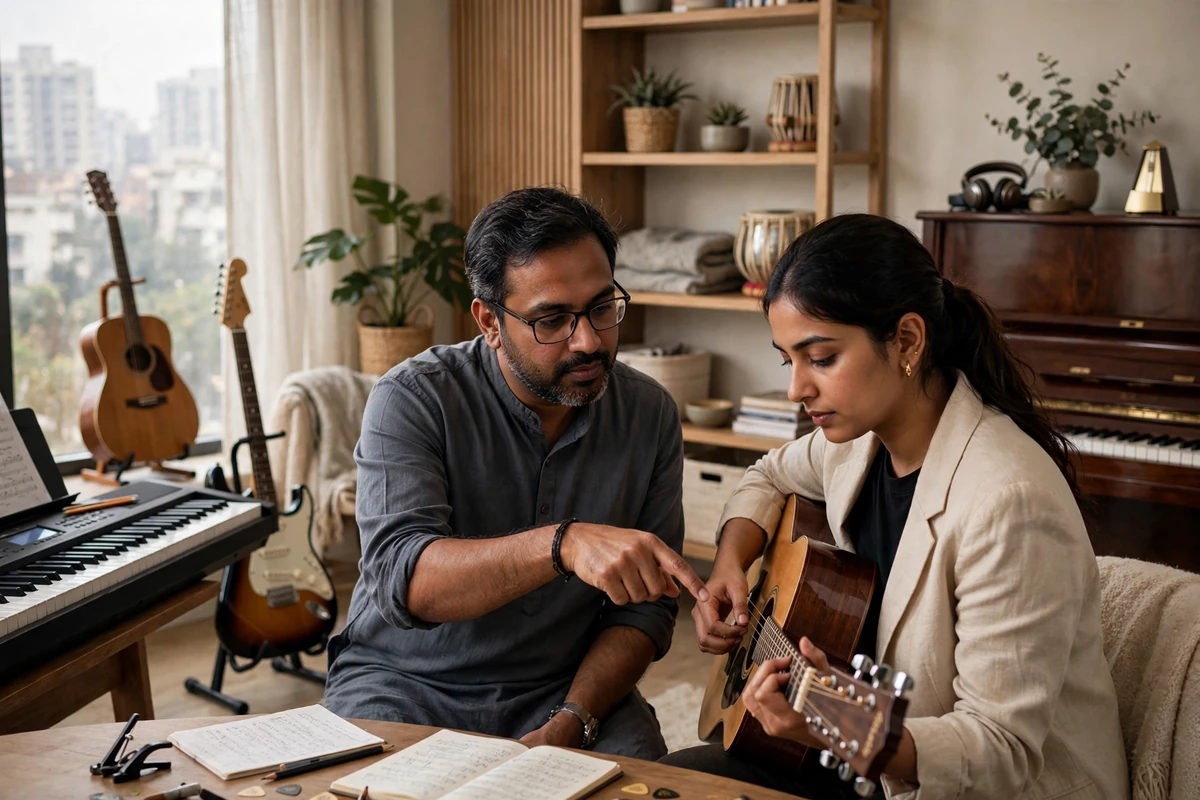
Private tuition can be useful when a child benefits from one-to-one attention, a carefully adjusted pace or detailed feedback on technique. It can also help when the child's goals differ from those of a typical group class.
Group Music Classes for Kids
Group classes can be a good fit for children who enjoy learning alongside peers. Shared rhythm, listening, call-and-response activities and ensemble practice can create a collaborative learning environment.
Parents should still check class size, teacher attention, the learner's comfort in groups and whether the curriculum allows enough individual feedback.
How Much Should a Child Practise?
Practice should be regular, focused and realistic for the child's age. Short sessions that fit comfortably into a daily or weekly routine can be easier to sustain than irregular long sessions.
Teachers can help parents understand what to practise, how slowly to begin, which parts to repeat and what to listen for. As the learner develops, practice can gradually become more independent.
Offline Music Classes vs Online Lessons for Kids
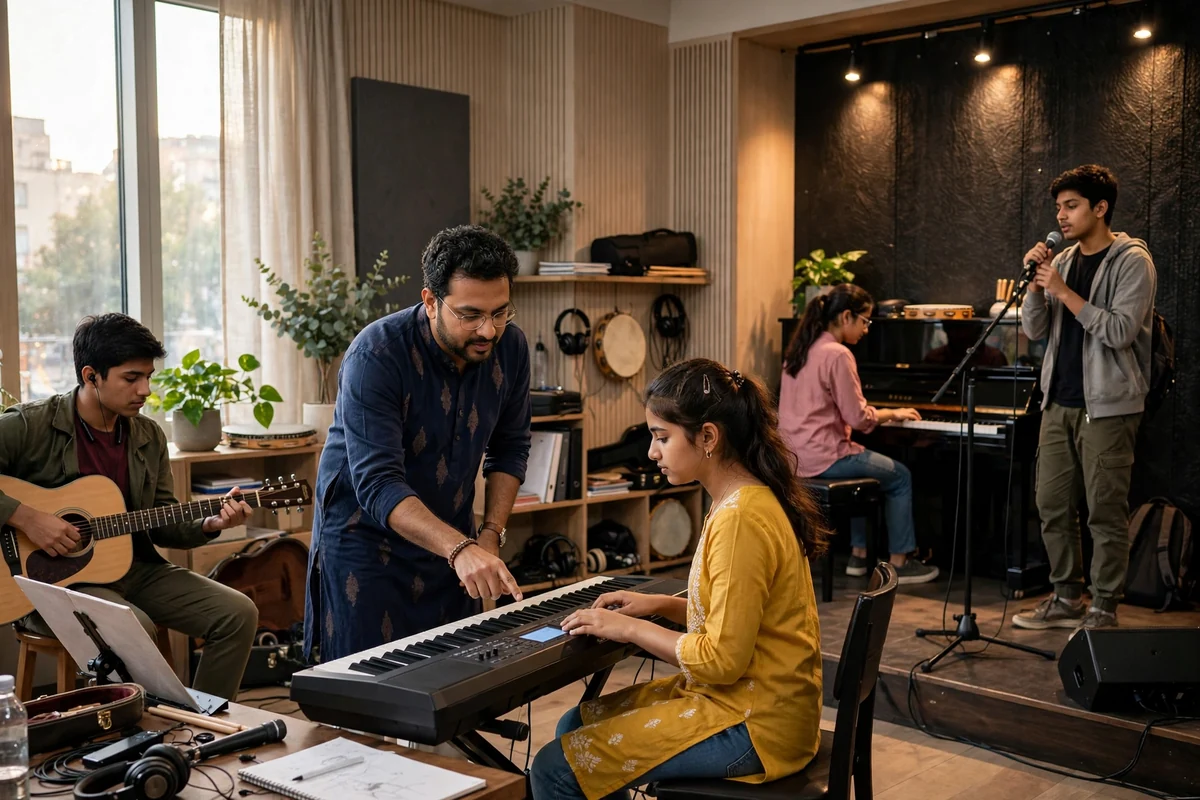
In-person lessons make live demonstration, instrument setup and direct observation easier. Online classes can be convenient for families who need flexible scheduling or learning from home.
For technique-heavy instruments, parents should choose the format in which the teacher can clearly observe posture, movement and sound. Online learning can be especially convenient for revision, theory and guided practice.
Offline Learning
Useful for direct demonstration, physical positioning, instrument setup and face-to-face feedback.
Online Learning
Useful for convenience, home-based learning, theory, revision and flexible scheduling.
How Parents Can Choose the Right Music Teacher
A good teacher for children should be able to explain concepts clearly, adjust the lesson to the learner and create a positive but structured learning environment.
Age-Appropriate Communication
The teacher should be able to explain, demonstrate and encourage without overwhelming the learner.
Clear Feedback
Parents should understand what the child is learning and what to practise between sessions.
Good Student Fit
Teacher personality and teaching style should suit the child's comfort, goals and learning pace.

Practice, Recitals, Live Shows & Performance Opportunities
Performance can be a useful extension of learning when a child is comfortable and willing to participate. Rehearsal, preparation and a supportive environment can help children connect weekly lessons with real musical situations.
Ask whether the wider music ecosystem provides appropriate opportunities for students to rehearse, perform, record or participate in events, and whether participation is optional and suitable for the learner.
Practice & Rehearsal
Turn weekly lessons into repeatable musical habits through guided practice and preparation.
Live Experience
When appropriate, performances can help students apply skills and become comfortable sharing music.
Buying, Pre-Owned, Rental & Repair Support for Young Musicians
Learning does not stop at the lesson. Families may also need an instrument, accessories, temporary rental, pre-owned options or repair support as the child progresses.
Choose equipment based on the learner's age, physical comfort, level, budget and actual course requirements rather than buying the most advanced option immediately.
Why Consider SoulFul Musik Academy for Kids in Malad East?
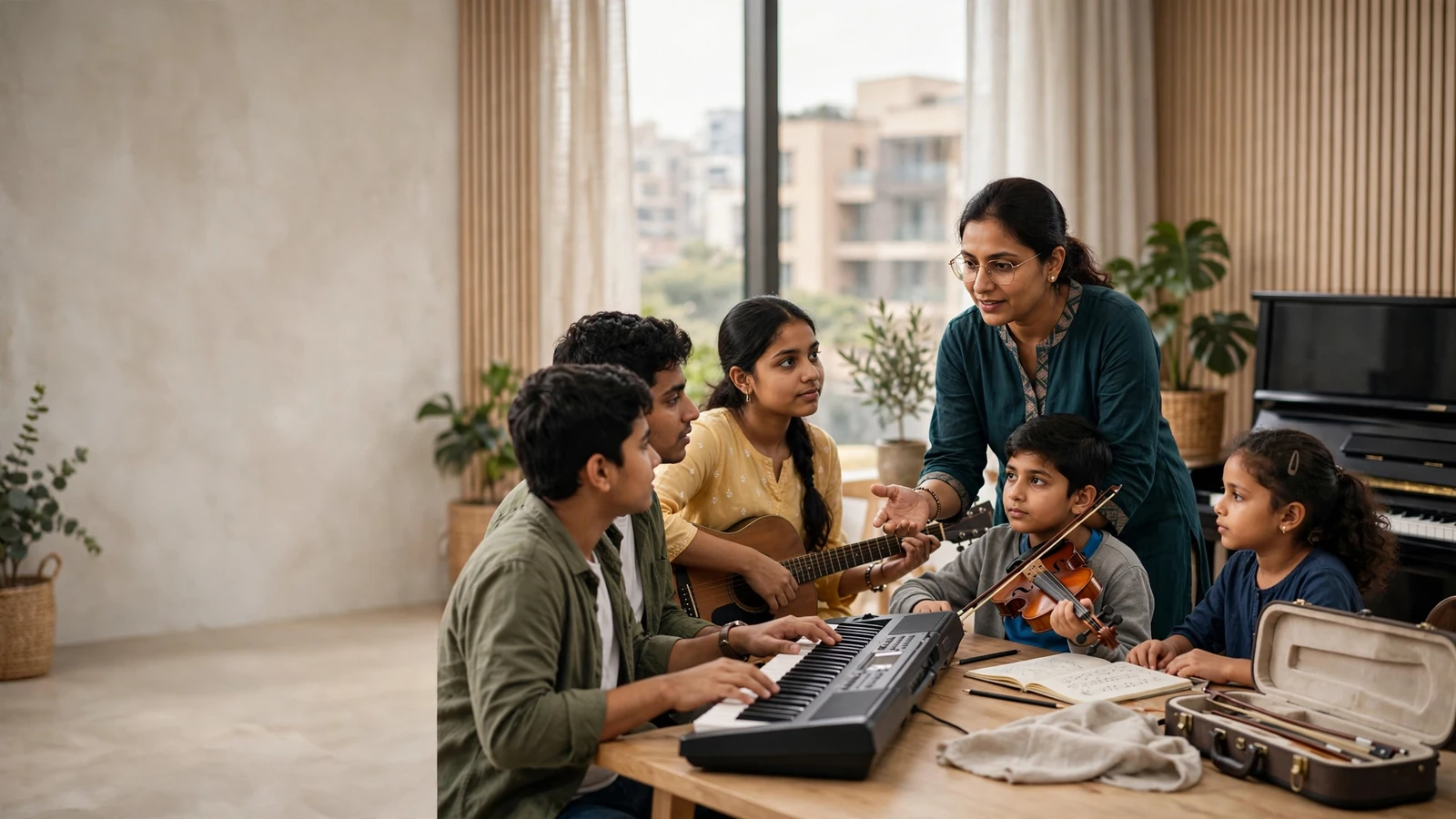
SoulFul Musik Academy can be considered as part of the wider Malad East music-learning ecosystem, connecting structured education with instrument, practice, studio and performance resources.
Parents should still choose based on the child's actual interests, available course, teacher fit, schedule and learning needs.
Start With the Right Malad East Resource
Use the main location hub for broad course information, then explore the specialist kids and instrument resources that match your child's goals.
Frequently Asked Questions
The suitable starting age depends on the child's readiness, attention span, instrument and teaching format. A beginner-friendly program should be adapted to the child's age and stage of development.
Common options include guitar, piano or keyboard, violin, singing and percussion. The right choice depends on the child's interest, physical readiness, learning goals and available instruction.
Private tuition can provide more individual attention and allow the lesson pace to be adapted to a child's needs. Availability should be confirmed with the academy for the specific branch and course.
Group classes can support shared learning, rhythm activities and social interaction. The best format depends on the child's confidence, goals and preferred learning environment.
Practice should be regular and age-appropriate. Short, focused sessions that fit comfortably into the child's routine are often easier to maintain than irregular long sessions.
Some children can learn online effectively, especially for theory, revision and guided practice. For technique-heavy instruments, in-person instruction may make posture and movement easier to observe.
Parents can compare teaching approach, age-appropriate communication, course structure, feedback, class format, schedule, practice guidance and the teacher's experience with beginners.