
What Is DJing? Equipment, Beatmatching & Live Performance
Discover how DJs select music, blend tracks and shape a continuous listening experience—from your first controller practice to preparing for live shows, events and collaborative music projects.
DJing is the art and practice of selecting, cueing and blending recorded music to create a continuous listening experience. It combines musical judgement with timing, track knowledge, listening skills and an understanding of the equipment used to shape a mix.
A DJ might prepare a set for a party, club, wedding, corporate event, livestream or personal recording. The setting changes the music choices and technical needs, but the foundations remain familiar: understand the tracks, listen carefully, manage levels and make transitions that serve the moment.
What Is DJing?
DJing involves selecting music and arranging its playback so that tracks connect into a coherent set. Depending on the style, a DJ may blend songs smoothly, cut between sections, use loops, layer samples, create transitions or build a set around changing energy.
Good DJing is more than pressing sync or changing songs. It involves listening to rhythm and phrasing, knowing what is coming next, balancing sound levels, preparing a useful music library and responding to the purpose of the set.
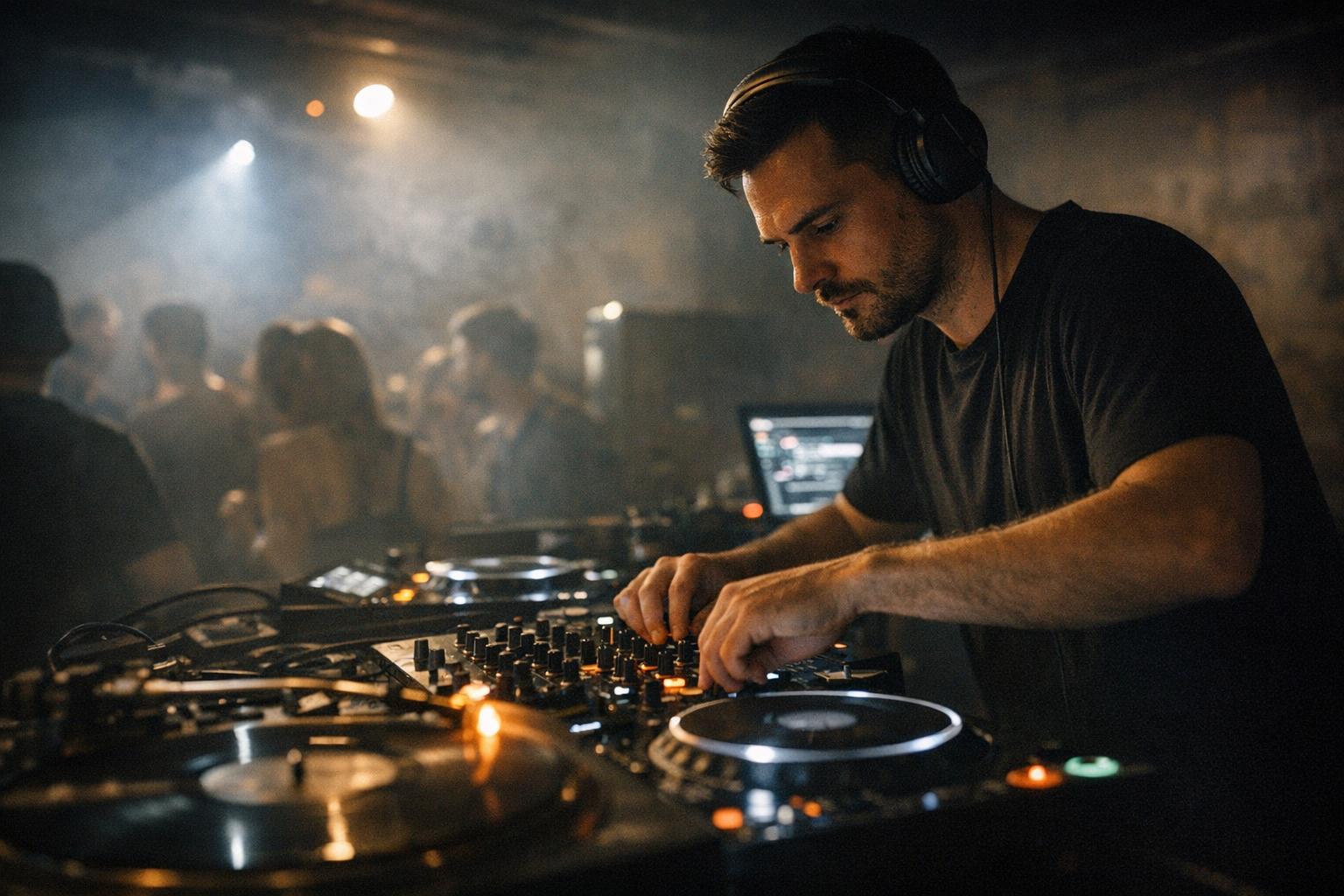
DJ equipment provides the controls; musical listening and purposeful track selection shape the set.
What Does a DJ Do?
A DJ's responsibilities vary by setting, but they often include preparing music, organising playlists, cueing tracks, planning transitions, checking equipment and managing the flow of the performance.
- Music selection: choose tracks that fit the brief, audience and moment.
- Mixing: connect tracks through timing, phrasing, levels and transition choices.
- Set preparation: organise music, cue points and backup options before performing.
- Sound awareness: check output levels and coordinate with the venue or technical team.
- Audience awareness: make thoughtful musical choices without assuming every audience responds the same way.
Essential DJ Equipment for Beginners
The right setup depends on your learning goals, budget and where you plan to practise. Start with the fundamentals before buying more equipment or building a complicated setup.
DJ controller or DJ mixer
A controller commonly combines playback controls, jog wheels, faders and performance controls in one unit, often working with DJ software. A mixer blends audio sources and controls their levels and tone. Some setups use separate players and mixers, while others combine several functions.
Headphones, speakers and sound output
Headphones help you cue the next track before the audience hears it. Speakers or monitors help you listen to the mix in the room. Learn to manage listening levels comfortably and avoid turning the sound up simply to compensate for a poor setup.
DJ software and a music library
DJ software can help organise tracks, display tempo information, set cue points and manage playback. Build a tidy music library with clear filenames, useful playlists and reliable backups. Always use music through sources and licences appropriate to your intended use.
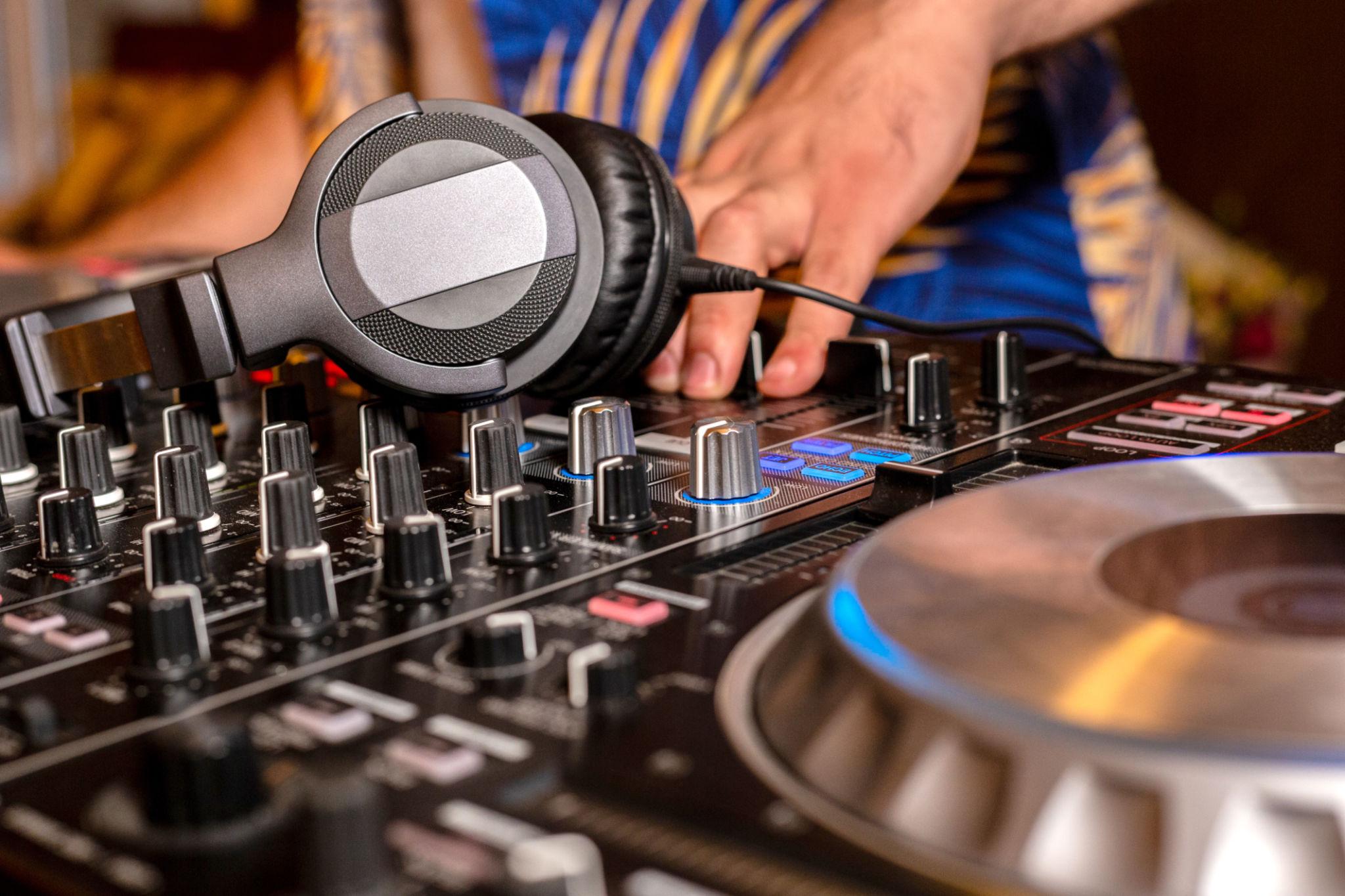
Start with a setup you can understand well, then expand it as your skills and needs develop.
How DJ Mixing Works
Mixing is the process of connecting tracks and controlling how they sound together. The techniques below are useful starting points; musical style, track structure and performance context will influence the choices you make.
Beatmatching and BPM
Beats per minute (BPM) describes a track's tempo. Beatmatching means aligning the tempo and rhythmic beats of two tracks so their pulses work together. DJs may do this by ear, use visual tempo displays or combine both approaches.
Cueing and musical phrasing
Cueing allows you to preview or start a track from a chosen point. Phrasing means recognising how musical sections fit together, such as introductions, verses, choruses, drops or instrumental passages. Transitioning at a suitable phrase boundary often sounds more intentional than changing tracks at an arbitrary moment.
EQ, levels and transitions
Equalisation (EQ) changes the balance of low, middle and high frequencies. Gain controls help manage input levels, while channel faders and the crossfader control how sources are heard. Make changes gradually, listen for frequency clashes and avoid pushing the overall output into distortion.
Loops, cue points and effects
Loops can repeat a section, while cue points help you return to useful moments in a track. Effects can add movement, but they work best when they support the music rather than distract from its phrasing or clarity.
How to Start Learning DJing
A simple repeatable practice routine is often more useful at the beginning than trying to learn every control at once.
- Learn your setup. Identify the channels, cue buttons, level meters, tempo controls, EQ, channel faders and master output. Understand where the sound travels before changing several controls at once.
- Build a small practice playlist. Start with a manageable selection of tracks you know well. Pay attention to tempo, track structure and the energy you want the sequence to create.
- Practise cueing and beatmatching. Preview the next track in headphones, locate an appropriate starting point and experiment with aligning beats. Use sync as a learning aid if available, while also training your ears.
- Make simple transitions. Start with short blends and clean level changes. Listen for overlapping vocals, conflicting bass frequencies and transitions that happen at the wrong musical moment.
- Record a short mix. A brief recording makes it easier to notice sudden volume changes, timing slips and track choices that interrupt the flow.
- Review and repeat. Write down one thing that worked and one thing to improve. Practise that specific skill in your next session before adding a new technique.
DJ Practice Ideas and Common Mistakes
Consistent practice helps build coordination and confidence. Try using a focused exercise for each session rather than changing every part of your mix at once.
| Practice focus | Exercise | What to listen for |
|---|---|---|
| Beatmatching | Align two compatible tracks repeatedly | Do the beats stay together or drift apart? |
| Phrasing | Mark introductions, breaks and section changes | Does the transition fit the musical structure? |
| EQ and levels | Blend tracks at moderate output levels | Is the mix clear, balanced and free of clipping? |
| Set planning | Arrange five tracks into a short sequence | Does the energy develop in a way that feels deliberate? |
| Review | Record and listen back to a short practice set | Which moment needs a timing, level or selection adjustment? |
Common beginner mistakes include relying only on visual waveforms, overusing effects, changing tracks without listening to the phrase structure, neglecting gain levels and practising without reviewing the results. Treat tools as support for listening rather than a replacement for it.
DJing for Live Shows and Events
A live set adds practical responsibilities beyond track mixing. The DJ may need to confirm the event brief, understand the running order, arrive prepared, coordinate with organisers and check connections and sound levels before the performance.
- Before the event: confirm timings, expected music style, equipment requirements and how music files or playback backups will be handled.
- During soundcheck: verify the signal path, check the output and make sure the venue's audio team understands the required setup.
- During the show: monitor levels, manage transitions, follow event timing and communicate with the organiser or technical team.
- After the show: shut down equipment as instructed, return borrowed gear properly and note any setup improvements for future performances.
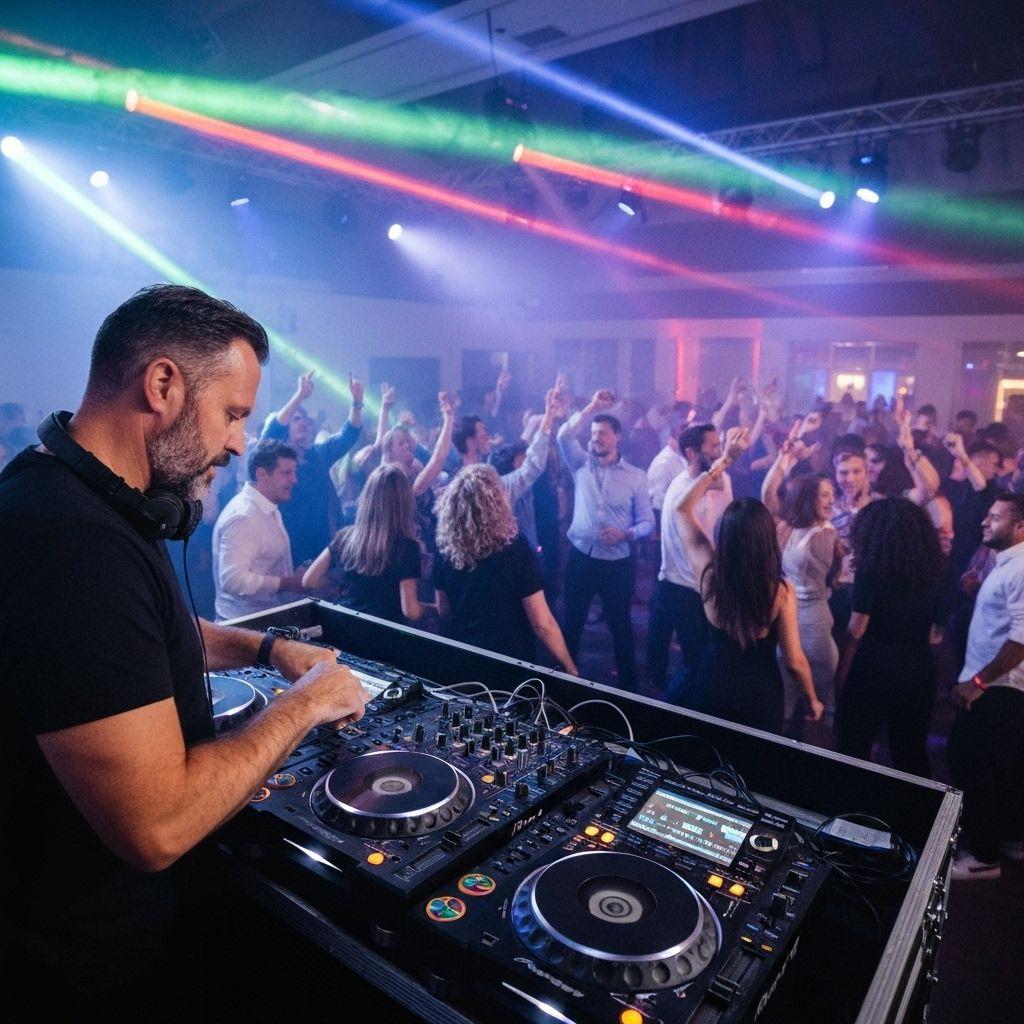
Live performance combines music preparation, technical checks and coordination with the event team.
Working with Musicians, Artists and Content Creators
DJs may collaborate with vocalists, instrumentalists, producers, event hosts and other performers. Successful collaboration depends on clear expectations, suitable timing, preparation and respect for each contributor's role.
Some DJs also create recorded mixes, support artist performances or contribute to music-led content. The technical and creative requirements differ from one project to another, so discuss the brief, equipment, music rights, delivery format and responsibilities in advance.
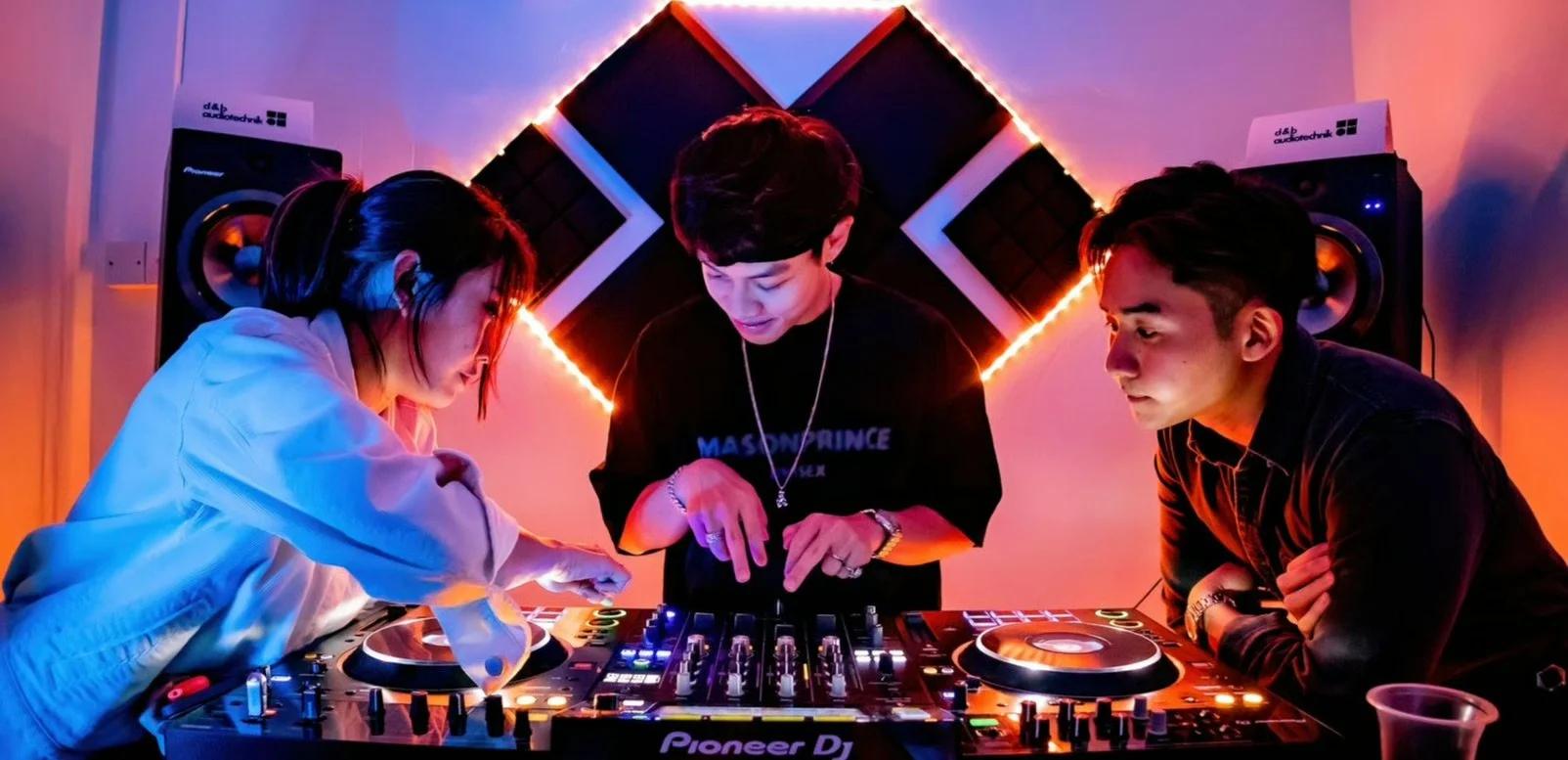
DJing can connect music selection and performance with collaborative projects, musicians and recorded content.
Learning DJing in Goregaon East, Malad East and Mumbai
If you are exploring DJ learning in Mumbai, compare the course content, available equipment, teaching format, practice time and feedback. Ask what a beginner should bring, whether the equipment is provided during lessons and how progress is reviewed.
Goregaon East and Malad East
SoulFul Musik Academy publishes information for its Goregaon East and Malad East locations. Contact the Academy to confirm current DJ course availability, schedules and the most suitable location for your needs.
Across Mumbai and India
For learners beyond the immediate area, consider travel, access to practice equipment and how often you can receive feedback. Online resources can supplement structured learning, but the most useful approach depends on your goals and the format available.
Online learning and private tuition
Remote or individual tuition enquiries should establish how demonstrations, practice recordings, feedback and equipment setup will be handled. Confirm whether the Academy offers the DJing course in your preferred format before making plans.
Ready to explore DJing more deeply?
Visit SoulFul Musik Academy's existing DJing course page to review the current course information and enquire about suitable learning options, availability and next steps.
Explore the DJing Course ↗From Classes and Practice to Live Shows, Events and Artist Management
Learning DJing can connect with a wider music ecosystem. Structured learning and practice support the development of skills; live shows and event work introduce different technical and performance requirements. DJing alone does not guarantee bookings or a career, but a portfolio of practice mixes, reliable preparation and professional communication can help demonstrate your work.
Explore related SoulFul ventures below. Each link is provided as a related resource; review the individual website to confirm the current services offered.
Frequently Asked Questions About DJing
What is DJing?
DJing is selecting, cueing and blending recorded music to create a continuous listening experience for an audience or a recorded mix.
What equipment do beginner DJs need?
Depending on the setup, beginners may use a DJ controller or mixer, headphones, compatible DJ software and an organised music library. A suitable audio output and speakers can support practice.
What is beatmatching?
Beatmatching aligns the tempo and rhythmic beats of two tracks so they can play together more smoothly during a transition. It can be learned by ear, with software assistance or using both methods.
Can beginners learn DJing?
Beginners can start by learning the controls, cueing tracks, recognising musical phrases and practising simple transitions. Consistent listening and reviewing recorded practice sets can help build skill.
How can I practise DJing at home?
Choose a few familiar tracks, practise cueing and beatmatching, make short transitions and record a set for review. Focus on one skill at a time and keep listening levels comfortable.
Can I enquire about DJing classes in Goregaon East or Malad East?
SoulFul Musik Academy publishes information about its locations and a dedicated DJing page. Contact the Academy to confirm current course availability, schedules and the most suitable learning format.
Can I ask about online DJ learning or private tuition?
You can contact the Academy to ask whether DJing is available in your preferred format. Confirm the equipment, practice arrangements, feedback process and current schedule before enrolling.
What does a DJ do at live shows and events?
A DJ prepares music, manages transitions and coordinates playback with event requirements. The setup and technical responsibilities depend on the venue, equipment and event agreement.
Where can I find DJing course information?
Visit the SoulFul Musik Academy DJing page and contact the Academy to confirm current course information and enrolment details.