

What Is Rap & Hip-Hop? Lyrics, Flow, Beats & Performance
Explore the art of rhythmic vocals, creative lyric writing, beat selection and performance—from your first verse to studio recording, practice sessions and live shows.
Rap is a form of musical expression built around rhythmic vocal delivery, words and flow. Hip-hop is a broader culture with music and other creative forms. Learning about both can help you understand how lyrics, rhythm, production and performance come together.
Whether you enjoy storytelling, freestyle, writing verses, performing over beats or recording original music, a strong starting point is to listen closely, practise deliberately and develop your own voice. There is no single correct flow or subject for every artist: style grows through experimentation, context and practice.
What Is Rap Music?
Rap is a musical form in which a performer delivers words rhythmically over music or a beat. Rappers use cadence, phrasing, rhyme, rhythm, emphasis and vocal tone to communicate ideas. Some tracks focus on storytelling or personal experience; others may centre on humour, social observations, wordplay, celebration or fictional narratives.
Rap can appear in many genres and production styles. The instrumental may be minimal or layered, acoustic or electronic, relaxed or energetic. The performance and lyrical choices help define the character of a track.
What Is Hip-Hop Culture?
Hip-hop is a wider cultural movement associated with music, dance, visual expression, community and individual style. Rap is one of its best-known musical elements, while DJing, breaking and graffiti art have also played important roles in hip-hop history and expression.
Hip-hop includes diverse local scenes and evolving styles. Learning about it respectfully means listening to a range of artists, understanding context and recognising the communities that shaped the culture.
What Is the Difference Between Rap and Hip-Hop?
Rap
Rhythmic lyric delivery, flow, cadence, rhyme and storytelling.
Hip-Hop
A broader movement that includes rap and other artistic practices.
Production
Beats, arrangement, recording and sound choices that shape a track.
These concepts overlap, but they are not identical. A blog, playlist or course can discuss rap as a musical technique while also exploring the wider history and culture of hip-hop.
Essential Elements of Rap Music
Lyrics, bars and storytelling
Lyrics communicate the message, viewpoint or story. A verse often develops an idea, while a hook or chorus gives listeners a recurring phrase or musical centre. Bars organise lyrics into measures or rhythmic units, though terminology and structure can vary with style and beat.
Flow, cadence and rhythm
Flow describes how syllables, accents, pauses and phrases move with the beat. Try speaking a line naturally, tapping the pulse, then testing different syllable placements. Small changes in timing and emphasis can change the character of the same words.
Rhyme schemes and wordplay
Rhyme may appear at the ends of lines or inside them. Internal rhyme, repeated sounds, alliteration, contrast and metaphor can add texture. A useful lyric should communicate something clearly; complicated rhymes are a choice, not a requirement for every verse.
Beats, tempo and groove
The beat establishes a rhythmic and musical setting. Tempo, drum pattern, bass, harmony, samples and arrangement all affect how the vocal sits in the track. Listen to the space available for the voice before filling every moment with words.
Vocal delivery and breath control
Clarity, articulation, breath planning, dynamics and intention affect how lyrics are understood. Practise at a comfortable volume and pace, and avoid pushing your voice when tired or uncomfortable. Record short takes to review timing and intelligibility.
How to Write Rap Lyrics
Lyric writing can begin with a story, feeling, character, question or observation. Focus first on the idea you want to communicate, then experiment with rhythm and rhyme so the language works as a performance.
- Choose one clear theme. Write a few sentences about the message, story or feeling. A focused idea is easier to develop into a verse than a list of unrelated topics.
- Collect phrases and images. Note specific details, sounds, places or expressions that make the subject distinctive. Keep an open document or notebook for ideas.
- Build a rhythmic phrase. Speak the words aloud and notice the natural accents. Try different syllable patterns before committing to a rhyme scheme.
- Experiment with rhyme and wordplay. Test end rhymes, internal rhymes, repetition and contrast—but keep the intended meaning clear.
- Develop a verse and hook. Let the verse explore the idea and use a hook where it helps reinforce the track's central message.
- Refine for delivery. Remove words that feel unnecessary, mark breaths and rehearse with the instrumental at a comfortable tempo.
Freestyle Rap vs Written Rap
Written rap is developed and revised before performance. Freestyle can involve improvising lines in the moment, although some performers also draw on prepared phrases and familiar patterns. Both approaches can build useful skills.
| Approach | What to practise | Useful reflection |
|---|---|---|
| Written rap | Structure, editing, word choice, rhyme and story development | Does each line support the main idea? |
| Freestyle | Listening, rhythm, improvisation and quick associations | Can I stay connected to the beat and develop an idea? |
| Performance practice | Delivery, breath, timing and stage confidence | Can an audience understand the words and feel the intention? |
Rap Beats, Recording and Music Production
Rap tracks combine a vocal performance with an instrumental or beat. Beatmaking may include drums, bass, melodic parts, samples and textures. Production choices should leave the vocal enough space and support the mood, rhythm and message of the track.
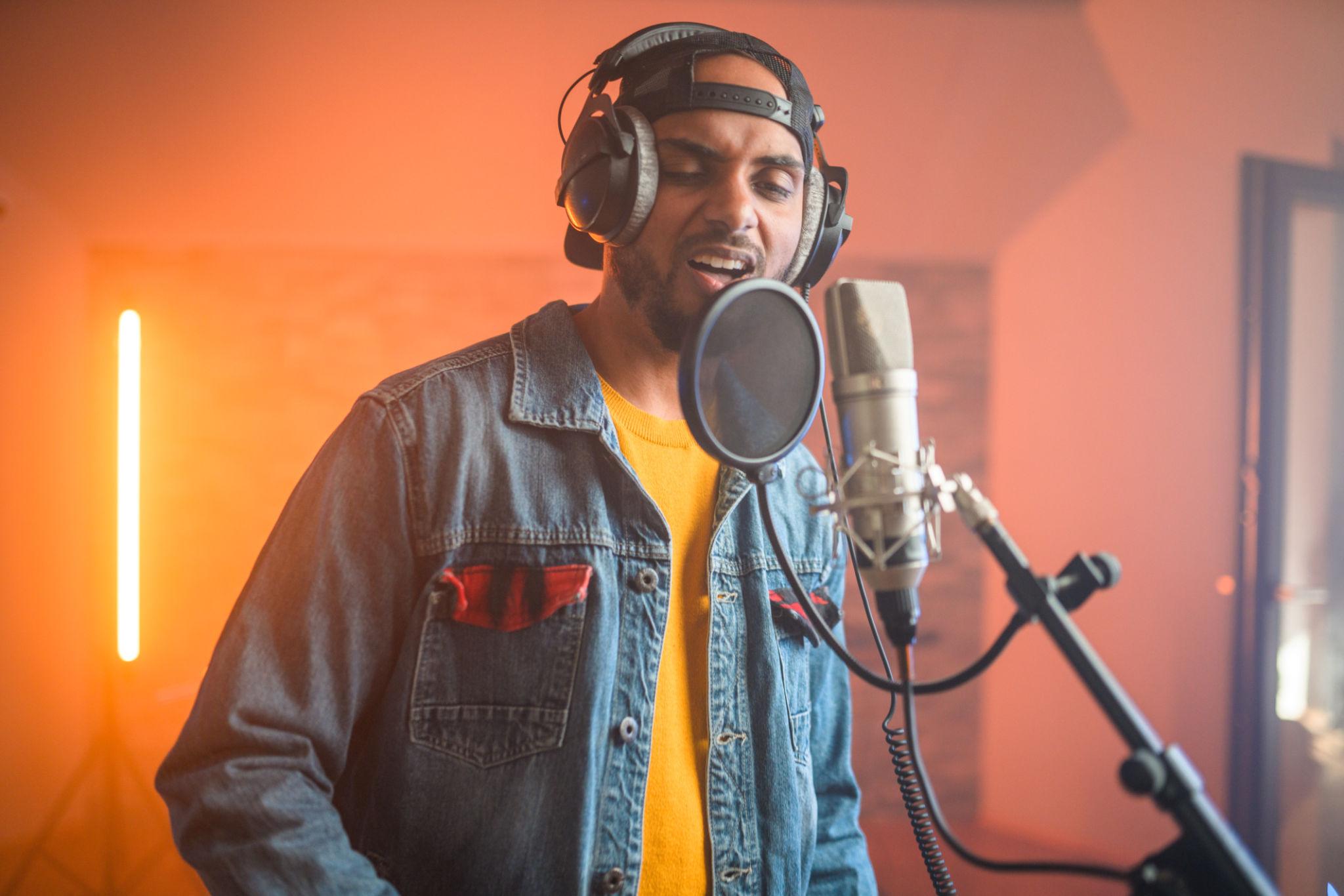
Beat selection, vocal recording and arrangement all shape how a rap track communicates its idea.
Recording rap vocals
Before recording, check microphone position, input level, room noise and headphone balance. Record a short test, listen for distortion or distracting noise, and make sure the performer can hear the beat comfortably. Use retakes thoughtfully rather than recording endlessly without reviewing the results.
Editing, mixing and mastering
Editing organises takes and timing. Mixing balances vocals and instrumental elements, while processing can help manage tone, dynamics and space. Mastering prepares a completed mix for its intended distribution. Each stage has a different purpose, and results depend on the recording and project goals.
For related learning, explore the Music Production Guide and the SoulFul Musik Studio website.
Rap Practice Techniques for Beginners
Progress comes from focused repetition and honest review. A short daily exercise can be more useful than repeating a long track without paying attention to a specific skill.
- Rhythm practice: Tap the beat and speak a short verse slowly before increasing the tempo.
- Flow variations: Deliver the same line with different pauses, accents or syllable placement.
- Lyric exercises: Write short verses around one topic and try different rhyme approaches.
- Recording reviews: Listen for clarity, timing, breath noise and whether the words are understandable.
- Listening studies: Compare artists' phrasing and arrangement without assuming there is a single correct style.
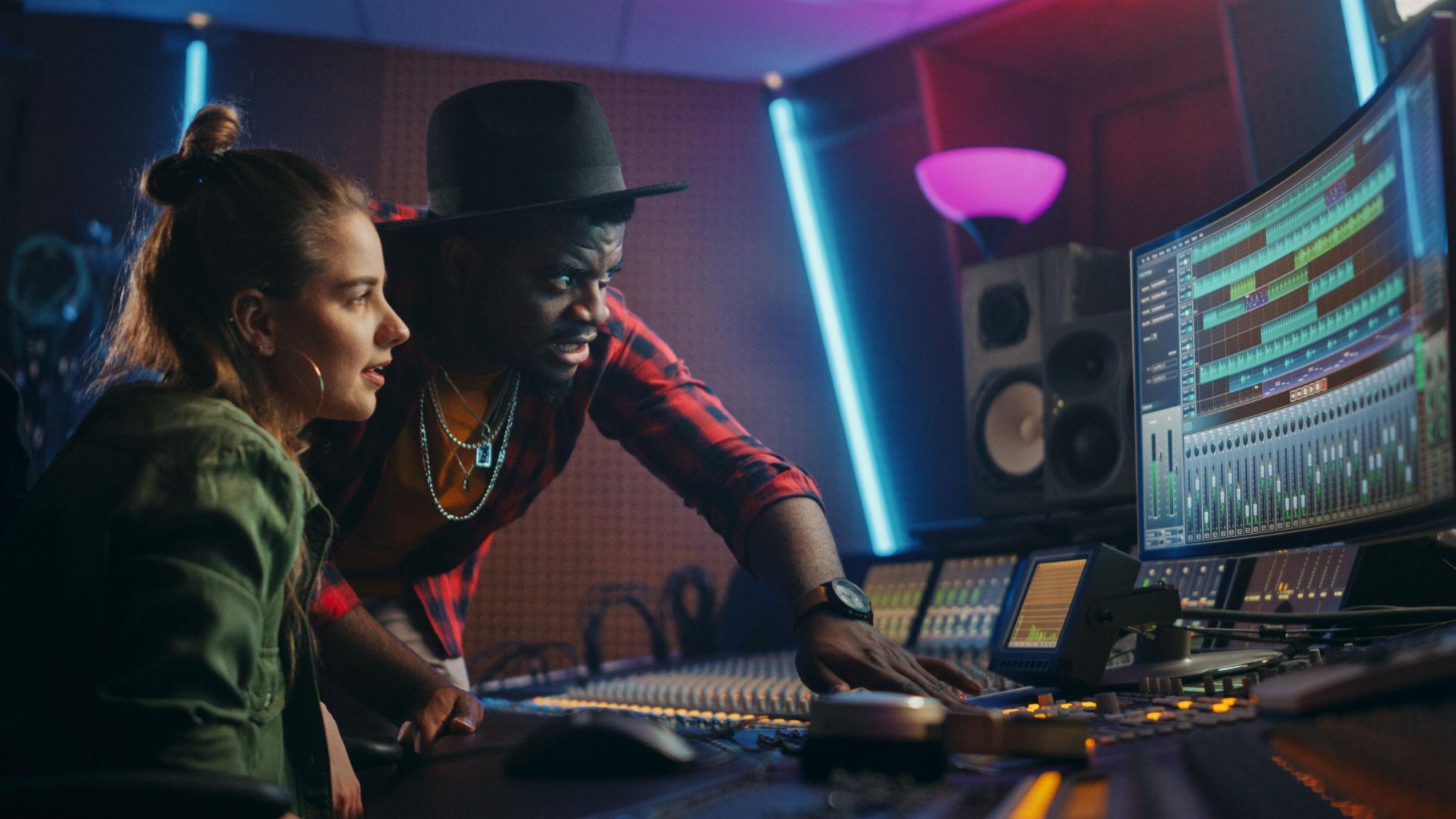
Practice and collaboration can help artists test ideas, learn from feedback and develop their own musical approach.
Collaboration can involve a beatmaker, producer, vocalist, instrumentalist or another lyricist. Agree on the creative direction and responsibilities early, give constructive feedback and keep organised versions of the work.
Rap Performance, Live Shows and Events
A live rap performance brings together the lyrics, beat, vocal delivery and communication with an audience. Preparation may include set order, backing tracks, microphone technique, rehearsals, soundcheck and coordination with the event team.
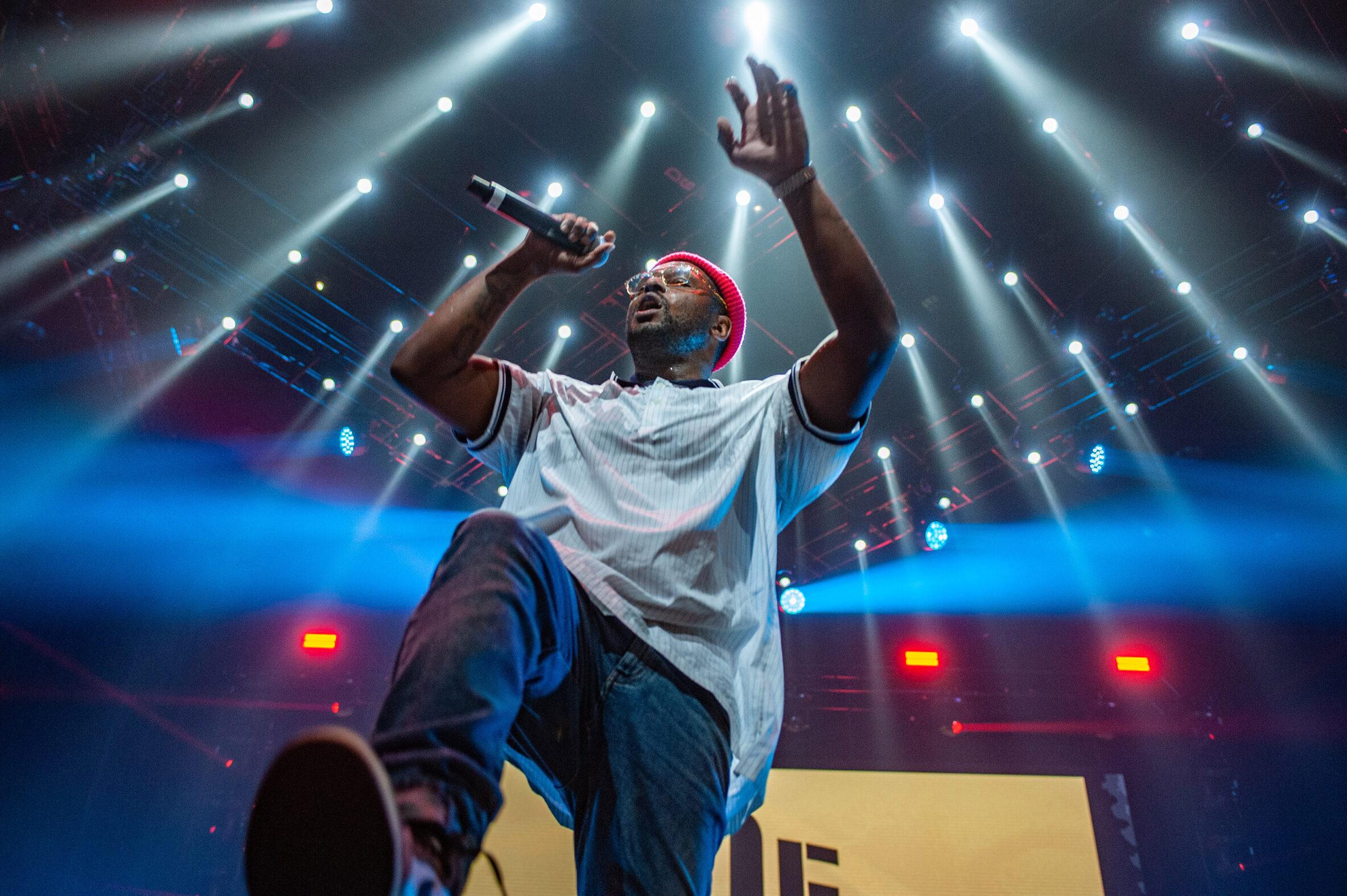
Live shows require musical preparation, clear sound and coordination between performers and event teams.
Preparing for a performance
Rehearse the set with the intended backing tracks, mark transitions and plan how to recover if playback or monitoring changes. Confirm technical requirements with the organiser in advance; event setups differ by venue and production.
Working with DJs, musicians and organisers
Rappers may work with DJs, beatmakers, singers, instrumentalists and sound engineers. Clear communication around timing, track versions, stage inputs and responsibilities helps everyone prepare for the performance.
Learn Rap & Hip-Hop in Goregaon East, Malad East and Mumbai
When comparing learning options, consider your goals: lyric writing, vocal delivery, rhythmic confidence, studio recording or preparing for performances. Ask about the learning format, instructor feedback, practice expectations and how progress is reviewed.
Goregaon East and Malad East
SoulFul Musik Academy lists locations in Goregaon East and Malad East. Contact the Academy to confirm the current availability, schedule and suitability of its Rap & Hip-Hop Career Course for your preferred location.
Mumbai, India and online learning
Online learning may suit students who need to discuss lyrics, share recordings or receive feedback remotely. Confirm the practical activities and support available in the current course format before enrolling. Visit the Online Music Classes page for current learning information.
Private tuition and classes
If you prefer individual guidance, ask whether private tuition is available for your specific learning goals. Check the expected experience level, lesson format, materials and the amount of independent practice involved.
Musicians, Events and Artist Development
Rap and hip-hop skills can connect to recording projects, collaborative releases, live performances, event appearances and digital content. Building these opportunities usually requires consistent work, communication, a clear creative identity and an understanding of the practical responsibilities involved.
Artist management and event teams may help coordinate bookings, schedules, promotional activities and production requirements, depending on the agreement and services offered. No course can guarantee a specific career outcome, but purposeful practice and reliable collaboration can help an artist prepare for opportunities.
Ready to develop your rap and hip-hop skills?
Explore SoulFul Musik Academy's existing Rap & Hip-Hop Career Course information and enquire about the current curriculum, learning format, schedule and suitability for your goals.
Explore Course Information ↗Explore the SoulFul Musik Ecosystem
Rap projects may connect with learning, studio work, practice, equipment, live events and artist-related services. Explore the relevant SoulFul ventures below and confirm each website's current offerings directly.
Frequently Asked Questions
What is rap music?
Rap is a musical form that uses rhythmic vocal delivery, lyrics and flow. Artists use it for storytelling, personal expression, wordplay and many other subjects.
What is the difference between rap and hip-hop?
Rap is a form of rhythmic vocal performance, while hip-hop describes a wider cultural movement with music and other creative expressions.
How can beginners start learning rap?
Begin with listening, short lyric exercises, rhythm and breath planning. Practise at a comfortable pace, record short takes and review clarity, timing and delivery.
How can I improve my rap flow?
Experiment with syllable placement, phrasing, pauses and emphasis over a beat. Record different versions of the same lines and compare which delivery communicates the idea most clearly.
What is the difference between freestyle and written rap?
Written rap is developed and revised before performance. Freestyle involves improvisation in the moment, though performers may also draw on prepared phrases and familiar patterns.
Can I enquire about Rap & Hip-Hop learning in Goregaon East or Malad East?
SoulFul Musik Academy lists locations in Goregaon East and Malad East and has a dedicated Rap & Hip-Hop Career Course page. Contact the Academy to confirm current arrangements.
Can I explore online learning or private tuition?
The Academy publishes online learning and private-tuition information. Ask whether the current Rap & Hip-Hop program is available in your preferred format.
Can rap skills be used in studio projects and live shows?
Yes. Skills such as lyric writing, flow, delivery and rehearsal are relevant to recorded music and live performance. Each project has different creative and technical needs.
Where can I find course information?
Visit the Rap & Hip-Hop Career Course page and contact SoulFul Musik Academy to confirm current curriculum and learning arrangements.