
How to Learn Carnatic Music: Classes, Ragas, Swaras & Vocal Practice
Explore the foundations of Carnatic music, understand how classes can support your learning, and discover practical ways to develop pitch, rhythm, raga awareness and confident musical expression.
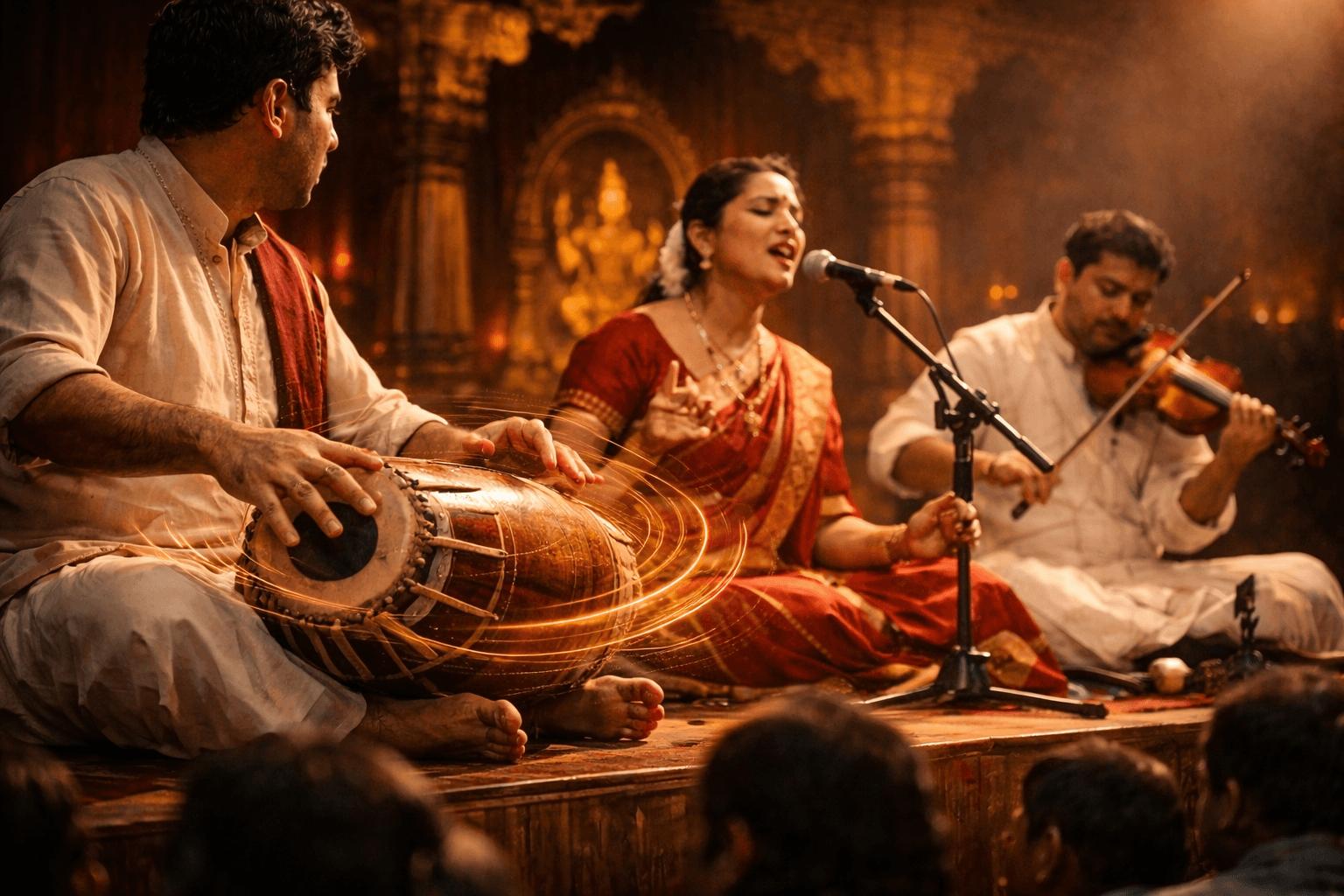
Carnatic music is a South Indian classical music tradition shaped by melodic frameworks, rhythmic cycles, compositions and expressive performance. For learners, a journey into Carnatic music can begin with simple swara exercises and gradually grow into raga development, composition study, improvisation and concert preparation.
Whether you are exploring the tradition for the first time or comparing music classes, understanding the basics can help you ask better questions, build a consistent practice routine and choose learning support that suits your goals. This guide explains key concepts and outlines learning options to enquire about through SoulFul Musik Academy.
What Is Carnatic Music?
Carnatic music is one of the major classical music traditions of India, associated especially with South India. It places strong emphasis on melody, rhythm, musical compositions and the expressive development of ragas. It can be performed vocally or instrumentally, often with melodic and percussion accompaniment.
A learner may encounter structured exercises, traditional compositions and opportunities to explore musical interpretation over time. The balance of theory, repetition, listening and guided practice varies with the teaching approach and the learner's stage.
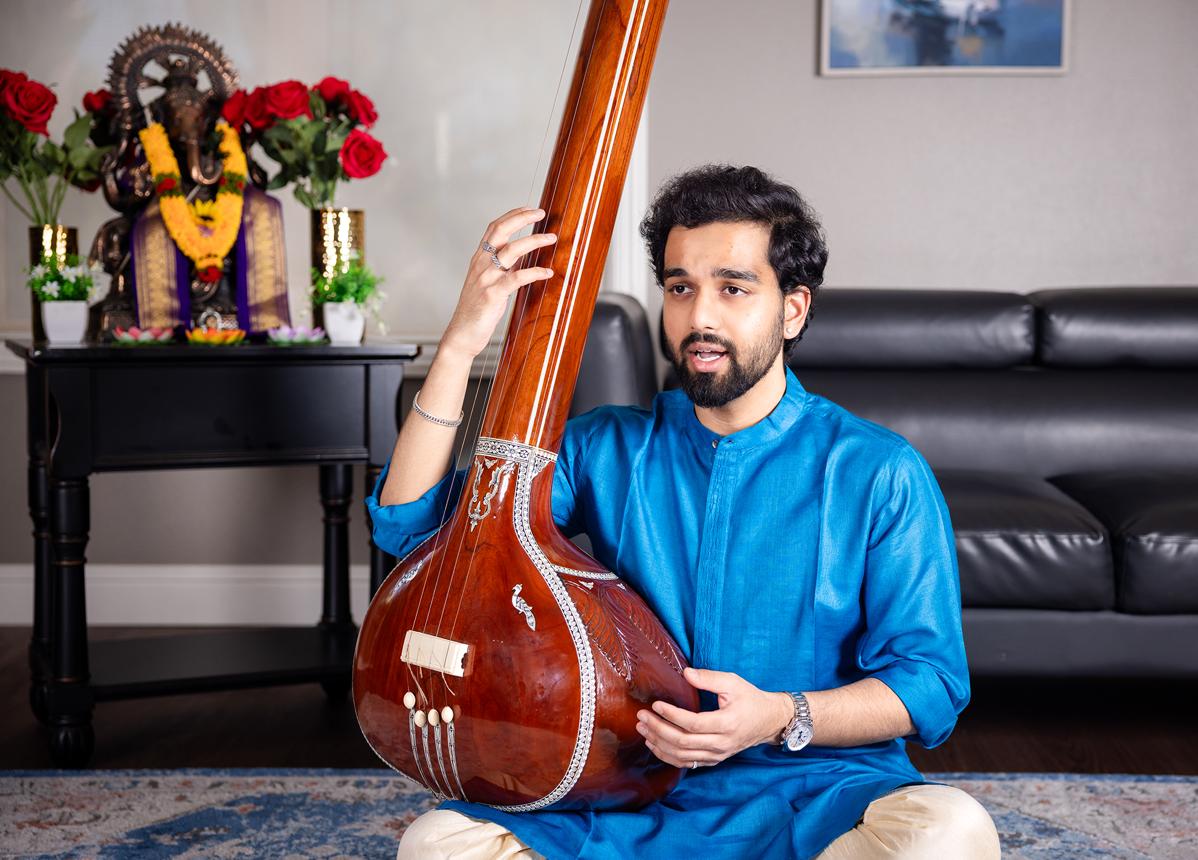
Listening, repetition and regular vocal practice help learners build musical familiarity and control.
What Do You Learn in Carnatic Music Classes?
A structured learning path often moves from foundational pitch and rhythmic exercises toward ragas, compositions and more detailed musical expression. The exact curriculum should be confirmed with the provider before enrolment.
Foundations and Swaras
Develop pitch awareness, note accuracy, listening habits and introductory swara patterns.
Rhythm and Alankars
Practise note patterns within rhythmic structures and begin to feel musical time more consistently.
Ragas and Compositions
Explore the character of ragas, melodic movement and compositions appropriate to your level.
Expression and Performance
Work on phrasing, musical expression, listening and performance preparation as your skills develop.
SoulFul Musik Academy's Carnatic page describes beginner, intermediate and advanced learning areas, including swaras, alankars, raga development, kritis, rhythm training and performance preparation. Review the current Carnatic Music Classes information and confirm the programme details that apply to you.
Understanding Swaras, Ragas, Talas and Shruti
Swaras and pitch accuracy
Swaras are musical notes used in Indian classical music. Repeated, attentive practice can help a learner hear note relationships, strengthen pitch accuracy and develop familiarity with melodic patterns.
Ragas and melodic development
A raga is a melodic framework with characteristic note patterns and movements. Learning a raga involves more than memorising a scale: listening to its phrases and understanding how notes move in context are important parts of study.
Talas and rhythmic cycles
Tala organises musical time into a rhythmic framework. Practising tala supports coordination between melody and rhythm and helps learners follow the structure of compositions.
Shruti, laya and gamakas
Shruti relates to pitch reference, laya to the flow or pace of musical time, and gamakas are expressive ornaments or inflections associated with Indian classical music. The way these elements are taught depends on the repertoire and learning level.
Carnatic Vocal Practice for Beginners
Practice works best when it is regular, focused and suited to your current ability. A teacher can help select the exercises, pace and pitch reference that fit your voice and goals.
- Begin with a comfortable pitch reference. Use a suitable shruti reference and avoid forcing the voice into an uncomfortable range.
- Practise introductory swara patterns. Sarali Varisai is commonly used to develop foundational note movement and pitch familiarity.
- Work through Janta Varisai gradually. Repeated-note patterns can help develop clarity, control and consistency when practised at an appropriate pace.
- Explore Alankaram exercises. Practise patterns with rhythmic organisation, focusing on accuracy before increasing speed.
- Listen, repeat and review. Record short practice segments when useful, note where pitch or rhythm feels uncertain, and revisit those parts with guidance.
- Build a manageable daily routine. A shorter, consistent session may be easier to sustain than an irregular, exhausting practice period.
A practice routine can combine swara exercises, listening, rhythm work and review.
Kritis, Varnams and Other Carnatic Compositions
Carnatic repertoire includes several forms of composition with different musical roles and levels of complexity. Learners may study compositions to develop familiarity with a raga, improve phrasing, understand rhythmic organisation and connect technique with musical expression.
A varnam may be used in learning and practice for its structured melodic and rhythmic material. Kritis are an important part of the concert repertoire and can support study of raga identity, lyrical text and musical development. The selection and order of repertoire should suit the student's current level.
How to Choose the Right Carnatic Music Class
Before enrolling, identify your goals: starting from the basics, strengthening vocal technique, learning compositions, developing raga understanding or preparing for performance. Ask the academy how teaching is structured and how progress is reviewed.
| What to ask | Why it matters |
|---|---|
| What level is suitable for me? | Helps align the starting point with your previous learning and current goals. |
| What does the curriculum include? | Clarifies whether the programme addresses swaras, talas, ragas, compositions and practice. |
| How is feedback provided? | Regular feedback can help identify areas for improvement and support better practice habits. |
| Which learning formats are available? | Confirms whether in-person, online or private instruction is currently offered for this course. |
| What are the current fees and schedule? | Provides accurate information before making a commitment. |
Carnatic Music Classes in Goregaon East, Malad East and Mumbai
SoulFul Musik Academy lists an academy location in Goregaon East and a branch in Malad East. Learners interested in Carnatic music can enquire about the course, appropriate level and current learning arrangements before planning visits or classes.
Goregaon East
Explore the Academy's current Carnatic class information and ask about suitable in-person learning arrangements.
Malad East
Enquire about current class availability, learning level and schedule for the Malad location.
Mumbai
Compare learning needs, travel considerations and available formats across Mumbai.
India and online
Ask about remote learning options for students living outside Mumbai and how practical feedback is provided.
Use the official Carnatic Music Classes page for the Academy's course information. Location references are provided to help learners find relevant information; confirm the actual availability of the specific course and format directly.
Online Learning and Private Tuition
Online lessons may allow students to discuss practice, share recordings and receive guidance without travelling to a classroom. A reliable internet connection and a quiet listening environment can make sessions easier to follow. Ask what equipment or preparation is recommended.
Private tuition may suit learners who prefer individual attention or have specific goals. Confirm whether Carnatic music is available through the requested private-tuition arrangement, and ask how lessons, practice feedback and scheduling are managed.
For broader learning information, visit SoulFul Musik Academy's Online Music Classes and contact the Academy about current formats for this course.
Build a Consistent Carnatic Music Practice Routine
A useful routine is one you can repeat without straining your voice or losing focus. Depending on your level and your teacher's guidance, it could include pitch reference, swara patterns, a short rhythmic exercise, review of a composition and a few minutes of listening.
Keep a simple practice record: note what you worked on, where you felt uncertain and which section you want to revisit. This can make lesson time more focused and help you notice gradual changes over time.
Carnatic Music, Live Shows, Musicians and Events
Concerts offer an opportunity to listen closely to raga development, rhythmic interaction, composition interpretation and the relationship between lead performers and accompanists. Attending performances and listening to recordings can complement formal practice.
Students interested in performing should ask about appropriate performance opportunities, preparation requirements and feedback. Events, collaborations and artist-related services are distinct from the core teaching programme, so enquire separately about what is currently offered.
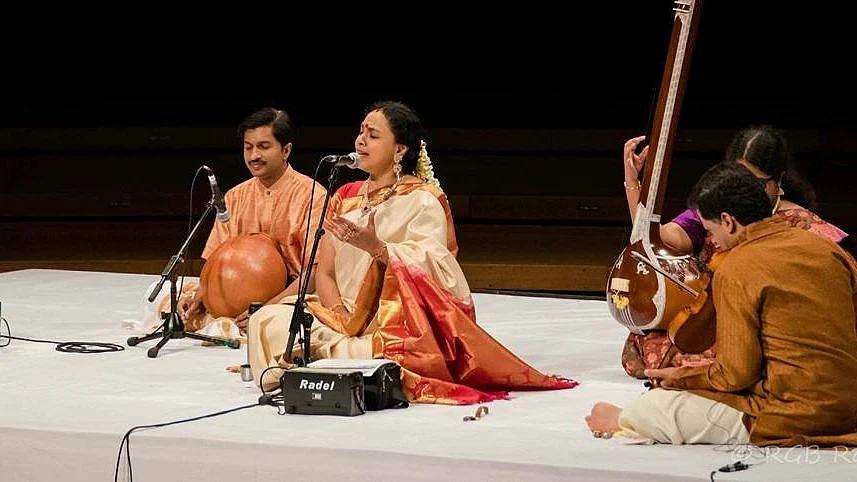
Live performances provide listening context for melody, rhythm and musical collaboration.
Recording and Audio for Classical Music
Recording practice can help students review pitch, timing, phrasing and clarity. A recording is a learning aid rather than a replacement for listening guidance: room acoustics, microphone placement and playback levels can affect what you hear.
For relevant studio or sound-related information, explore SoulFul Musik Studio, Pro Audio Gears and Studio Acoustic. Check each venture's current services directly.
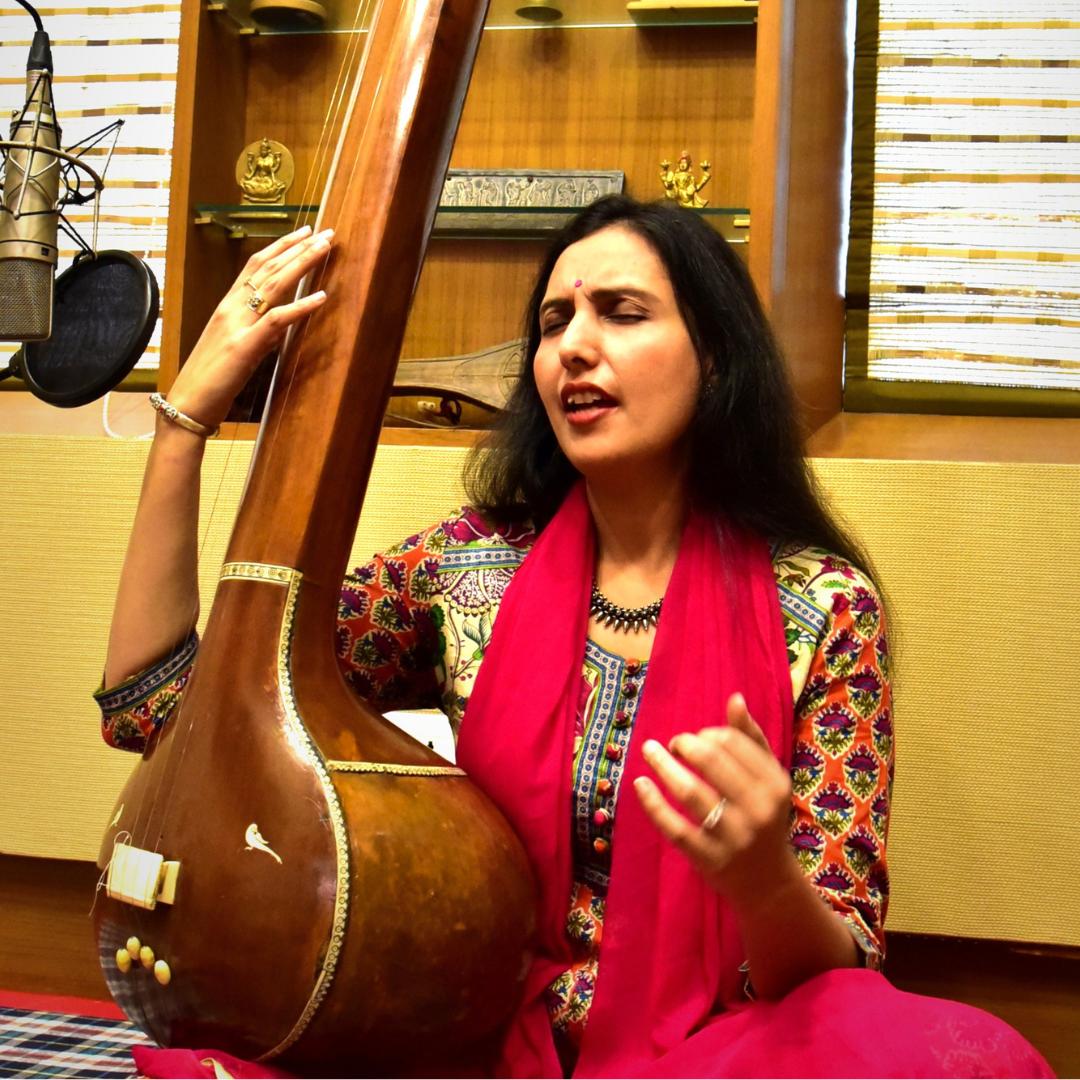
Listening back to a practice recording can help you review clarity, timing and phrasing.
Explore Carnatic Music Classes
Review SoulFul Musik Academy's current Carnatic course information and enquire about learning levels, locations, online options and suitable practice guidance.
View Carnatic Class Information ↗Explore the SoulFul Musik Ecosystem
Learning and musical development can connect with practice spaces, recording, audio equipment, performances and artist-related services. Explore relevant ventures below and confirm current offerings directly with each team.
Frequently Asked Questions
What is Carnatic music?
Carnatic music is a South Indian classical music tradition built around melodic frameworks, rhythmic cycles, compositions and expressive vocal or instrumental performance.
What do Carnatic music classes teach?
Learning may include swaras, alankars, voice culture, raga development, talas, compositions, listening skills and performance preparation. Confirm the exact curriculum for the current programme.
Can beginners learn Carnatic music?
Beginners can start with pitch accuracy, foundational swara exercises, simple rhythmic patterns and introductory compositions, progressing with suitable guidance and consistent practice.
What are swaras, ragas and talas?
Swaras are musical notes, ragas provide melodic frameworks and talas organise rhythmic cycles. These ideas work together in Carnatic compositions and performance.
Are Carnatic music classes available in Goregaon East and Malad East?
SoulFul Musik Academy lists locations in Goregaon East and Malad East and has a dedicated Carnatic Music Classes page. Contact the Academy to confirm the current course schedule and location-specific availability.
Can I learn Carnatic music online or through private tuition?
The Academy publishes online learning and private-tuition options. Contact the Academy to confirm whether the Carnatic programme is available in your preferred format.
How should I practise Carnatic music daily?
Build a consistent, comfortable routine that may include a pitch reference, swara exercises, rhythmic practice, listening and reviewing compositions. Follow suitable instruction and avoid straining your voice.
How do I enquire about Carnatic Music Classes at SoulFul Musik Academy?
Visit the official Carnatic Music Classes page and contact the Academy to discuss current learning levels, schedules, locations and available formats.