
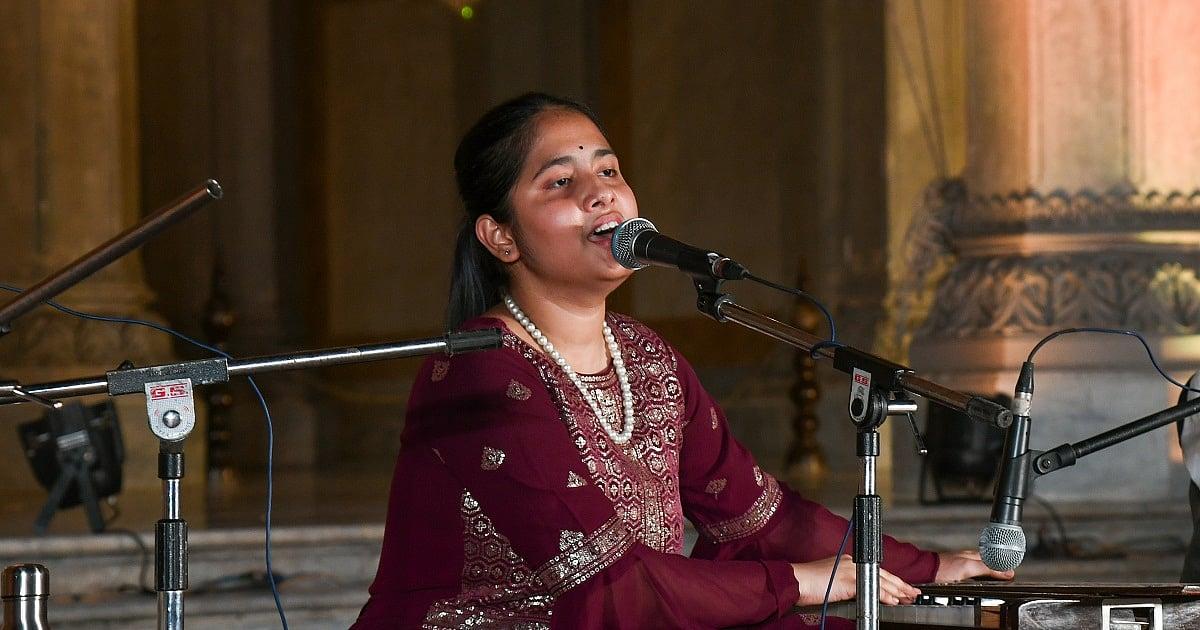
What Is Sugam Sangeet?
Light Music, Singing & Vocal Practice
Explore the art of expressive singing through melody, lyrics, rhythm and interpretation. Learn what defines Sugam Sangeet, how to practise thoughtfully, and how to explore suitable singing-learning options.
Sugam Sangeet is commonly used to describe light or accessible music in which melody, lyrics and expressive delivery work together. Its style can vary with language, song tradition and musical influence, so learning begins with careful listening and understanding what a particular song asks of the singer.
Whether your interest is in Hindi light music, regional songs, devotional music, film songs or expressive vocal performance, a strong foundation includes pitch, breath, diction, phrasing, rhythm and interpretation. Consistent practice helps connect these skills to the feeling and meaning of each song.
What Is Sugam Sangeet?
Sugam Sangeet is a broad term associated with light music and accessible melodic song forms. Depending on the context, repertoire can draw on classical, folk, devotional, regional and popular musical influences. The emphasis and technique differ from song to song rather than following one fixed formula.
A singer working in light music pays attention to the tune and lyrics, but also to diction, natural phrasing, emotional tone, rhythmic placement and the relationship between the voice and accompaniment. The aim is to communicate the song clearly while respecting its own musical character.
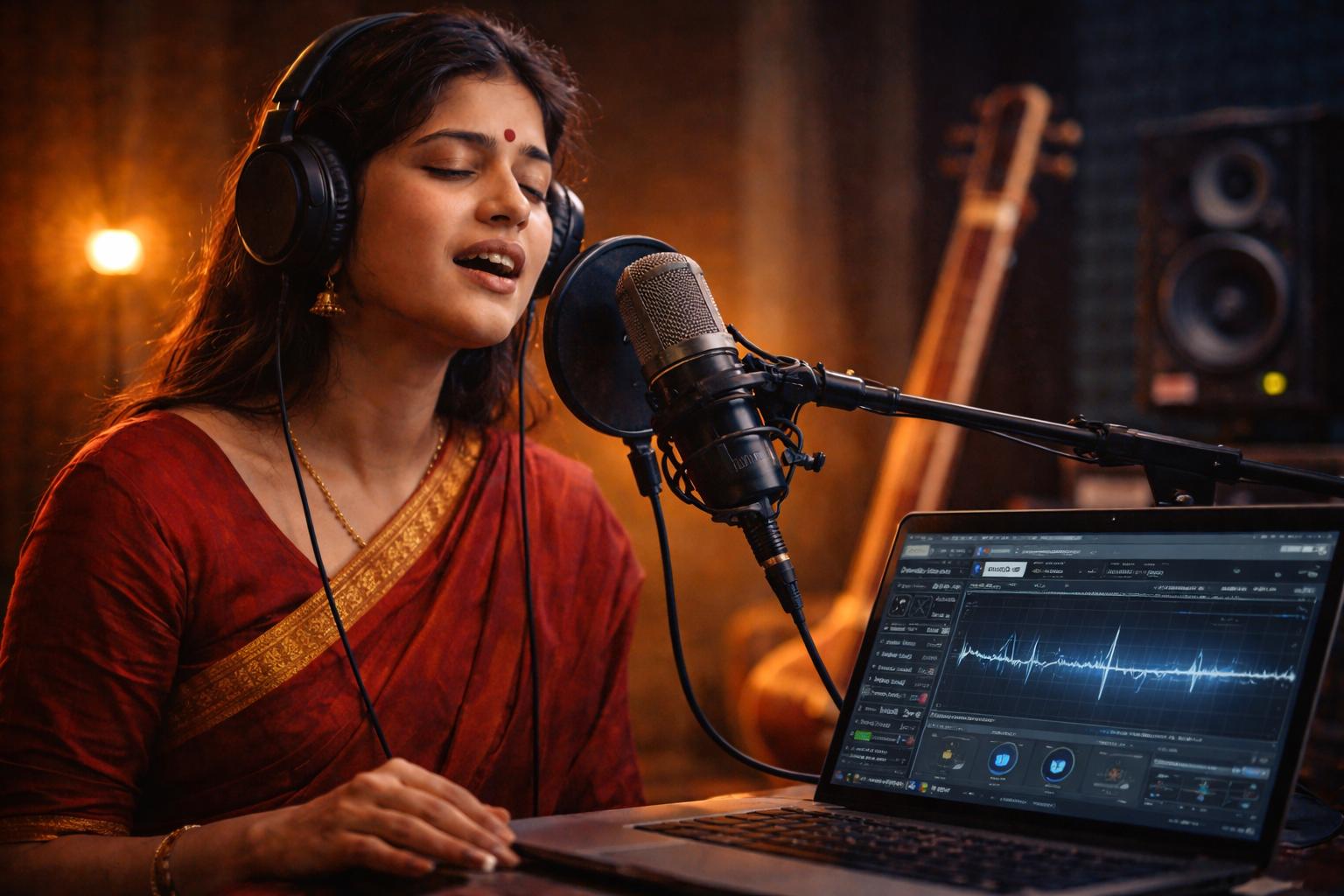
Vocal learning brings together attentive listening, pitch control, diction and expressive interpretation.
What Are the Main Characteristics of Sugam Sangeet?
Melody and phrasing
A memorable melody is shaped not only by its notes, but by where phrases begin and end, how notes are connected, and where the singer gives the listener room to absorb the musical thought.
Lyrics, diction and meaning
Words carry much of the song's story. Clear pronunciation, natural emphasis and understanding the text help a singer communicate meaning without forcing the delivery.
Rhythm and expression
Rhythmic feel, tempo and phrasing influence the character of a song. A singer should learn how the voice sits within the accompaniment and how expressive changes can support rather than obscure the melody.
Voice control and song interpretation
Breath management, pitch accuracy, dynamics and vocal ease support a more controlled performance. The right approach depends on the range, language, melody and style of the selected song.
Sugam Sangeet, Classical Music and Popular Singing
These categories can overlap. Light-music singers may draw on classical training, while popular songs may include regional, folk or devotional influences. The labels describe broad approaches rather than rigid boundaries, and repertoire varies widely.
Sugam Sangeet
Often centres on melody, lyrics, accessibility and communicating a song's mood.
Classical singing
Often develops through systematic work on musical frameworks, technique, repertoire and improvisational practice.
Popular singing
Includes many contemporary and recorded-song styles, with varying vocal and production approaches.
Rather than treating one style as better than another, compare the musical requirements of the song you want to learn. Choose practice methods that suit the repertoire and your current skills.
What Is Sugama Sangeetha?
Sugama Sangeetha is a term particularly associated with Kannada-language musical settings of poetry and is linked with the Bhavageethe tradition. It is relevant when discussing Kannada musical culture, but it should not automatically be used as a synonym for every kind of Sugam Sangeet or light music.
If your musical interest is specifically Kannada Sugama Sangeetha, focus on the language, poetry, repertoire and interpretation that belong to that tradition. For broader light music, make the language and style of the chosen songs clear when selecting repertoire or a learning programme.
Vocal Techniques for Sugam Sangeet
Breath control
Practise comfortable breathing and plan phrases so that you can complete lines without strain. Avoid forcing long phrases; adapt breathing points to the melody and lyric.
Pitch accuracy and voice culture
Use a comfortable pitch reference and practise short melodic phrases slowly. Listen for steady notes and gentle transitions, then gradually work toward the song's natural tempo.
Diction and pronunciation
Speak or recite the lyrics before singing them. Understand unfamiliar words, practise difficult syllables separately and keep consonants clear without disrupting the melody.
Expression and modulation
Vary dynamics and vocal colour with intention. Avoid adding ornamentation or dramatic emphasis automatically; let the song's style, lyrics and musical direction guide the interpretation.
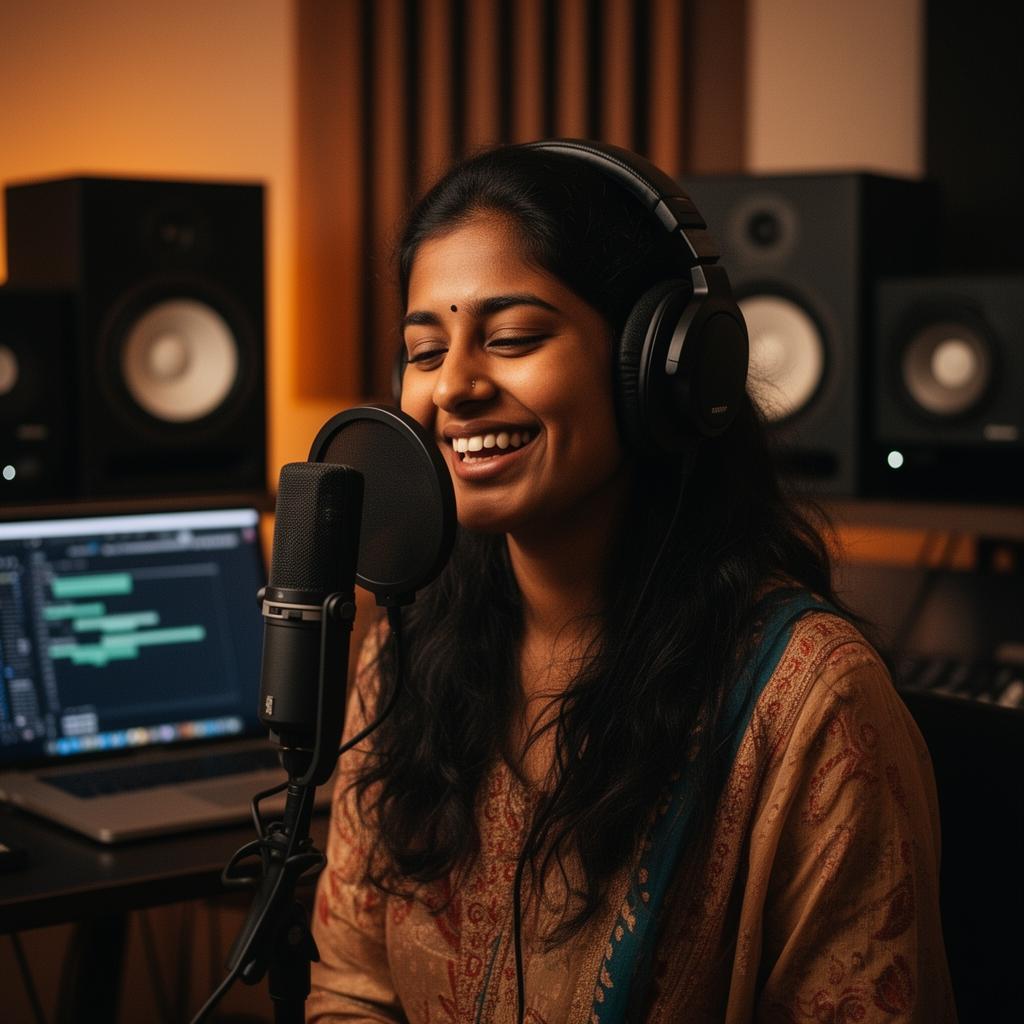
Recording a practice session can help a singer review pitch, diction, timing and phrasing objectively.
How to Practise Sugam Sangeet at Home
A useful routine balances listening, technical work and learning a song. Short, focused practice is often easier to review than repeatedly singing an entire song without a clear goal.
- Listen before singing. Hear the melody, lyrics, rhythm and accompaniment. Identify the phrases that need the most attention.
- Warm up gently. Start within a comfortable range and use simple pitch or breathing exercises appropriate to your level. Stop if you feel pain or strain.
- Practise a small section. Work on one phrase at a time, checking pitch, diction, timing and breath placement before joining the sections together.
- Understand the lyrics. Identify the meaning and mood, and decide which words or phrases need clear emphasis.
- Sing with accompaniment carefully. Begin with a simple backing or reference track, and keep the voice comfortable rather than trying to overpower the accompaniment.
- Record and review. Listen back for one or two specific improvements. Compare versions over time instead of judging the performance only by how it felt while singing.
- Keep practice consistent. Record what you worked on and revisit previous sections. A teacher can help correct recurring habits and choose suitable next steps.
Song Selection, Rehearsal and Accompaniment
Choose a song that suits your current vocal range, language familiarity and experience. A song that is meaningful to you can support motivation, but it should also be manageable enough for you to practise its musical details without strain.
Before rehearsing with another musician or backing track, agree on the key or pitch level, tempo, introduction, endings and any transitions. These details help singers and accompanists work together more smoothly in practice and performance.
Sugam Sangeet Learning in Goregaon East, Malad East and Mumbai
When comparing singing classes, consider what repertoire you want to learn and whether you need help with pitch, diction, breath control, phrasing, expression or performance preparation. Ask about the teaching approach, lesson format, feedback and the musical styles currently covered.
Goregaon East
Explore SoulFul Musik Academy's current singing-learning information and ask which programmes suit your preferred style.
Malad East
Check current learning arrangements, location details and whether the desired light-music repertoire is available.
Mumbai
Compare location, commute, teaching format and available class schedules before making a decision.
India and Online
Ask how online lessons are delivered, how practice is reviewed and what setup is required.
Private tuition and individual learning
Private tuition may suit learners seeking individual feedback, flexible pacing or a specific repertoire goal. Confirm whether the preferred style and format are available and ask how practice progress is reviewed.
Visit the SoulFul Musik Academy online classes page for current course information. Availability of a dedicated Sugam Sangeet programme should be confirmed directly before enrolling.
Practice, Musicians, Live Shows and Events
Preparing for a performance involves more than memorising a song. Rehearsal can include confirming the key and tempo, practising the beginning and ending, understanding accompaniment cues and becoming comfortable with the microphone and stage arrangement.
Light-music performances may take place in different settings, from small gatherings to larger cultural programmes. Event requirements vary, so confirm the performance format, technical setup and responsibilities with the organiser or relevant service provider.
Explore your next step in singing.
Discover SoulFul Musik Academy's current music-learning options and ask about suitable singing programmes, online learning or private tuition for your interests.
Explore Music Classes ↗Explore the SoulFul Musik Ecosystem
Singing practice may connect with recording, audio equipment, rehearsal, live performances and artist services. Explore relevant ventures below and confirm the current services directly on each website.
Frequently Asked Questions
What is Sugam Sangeet?
Sugam Sangeet is a broad term commonly associated with light or accessible music. Depending on the context, repertoire can draw on classical, folk, devotional, regional and popular traditions.
What is the difference between Sugam Sangeet and Sugama Sangeetha?
Sugam Sangeet is commonly used as a broad term for light music, while Sugama Sangeetha is particularly associated with Kannada-language poetic songs and the Bhavageethe tradition. The terms should not automatically be treated as identical.
Can beginners learn Sugam Sangeet?
Beginners can work on pitch, breathing, diction, rhythm and simple songs, then develop more confident expression through consistent practice and suitable guidance.
How can I practise Sugam Sangeet at home?
Listen carefully to a song, practise a short phrase, focus on pitch and diction, record a comfortable take and review one or two specific areas for improvement.
Can I enquire about singing classes in Goregaon East or Malad East?
SoulFul Musik Academy lists locations in Goregaon East and Malad East. Contact the Academy to confirm which singing programmes and formats are currently available at your preferred location.
Can I learn online or through private tuition?
The Academy publishes online-learning and private-tuition options. Ask directly whether the currently available programmes match your preferred singing style and learning needs.
Does SoulFul Musik Academy offer a dedicated Sugam Sangeet course?
A dedicated course was not confirmed in the information used for this guide. Contact the Academy to check whether a suitable light-music or regional-song programme is currently offered.