
📜 Certificates vs. Wisdom: Beyond the Frame on the Wall
Every parent wants to give their child the best possible start in life. In education—and especially in creative disciplines like music, art, and specialized skills—this desire often translates into a hunt for formal credentials. We enroll our children in structured programs, aiming for recognized national or international certifications like Trinity College London, ABRSM, or national exam boards.
Certificates can certainly have value. They can provide measurable milestones, structured goals, and formal recognition of a student’s achievement. However, a certificate represents only one part of the learning journey. It does not automatically represent how deeply a student understands the subject, how confidently they can apply their knowledge, or how creatively they can use their skills outside an examination environment.
A certificate is a milestone, but it is not the destination. To nurture true mastery, we must understand the crucial distinction between a credential and genuine wisdom.
🎓 Certificate vs. Wisdom
The difference between certification and wisdom becomes particularly important in music and other creative disciplines. A student may successfully complete an examination, receive a certificate, and still need years of practical experience to develop true independence and confidence.
🏆 A Certificate is a Milestone; Wisdom is the Journey
A certificate confirms that a student met a specific set of requirements at a given point in time. It provides a documented achievement and can be useful for academic, professional, or personal purposes.
Wisdom, on the other hand, is an ongoing, deep-seated understanding that allows a student to apply their skills fluently in any context. It develops through consistent practice, observation, experience, experimentation, and a genuine understanding of the principles behind the subject.
In music, this means going beyond simply completing a grade or learning a prescribed collection of pieces. True development happens when a student begins to understand what they are hearing, why something works musically, and how they can independently express their own ideas.
🎼 Paper Credentials vs. Practical Mastery
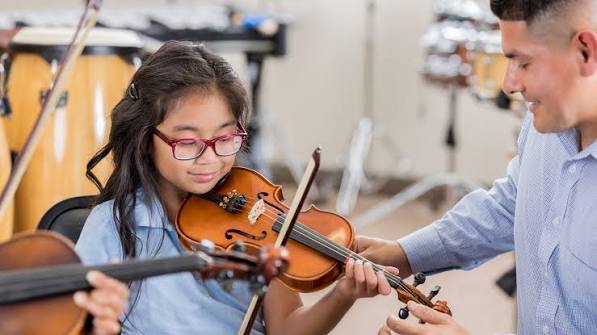
Learning solely to pass an exam can sometimes lead to “learning for the test”—memorizing specific pieces or answers without fully understanding the underlying principles.
True musical or artistic wisdom enables a student to play by ear, improvise, compose, experiment, interpret, and appreciate the art form beyond the prescribed syllabus. A student with strong fundamentals can take the knowledge acquired in one situation and apply it creatively to another.
The objective should therefore not be to reject certification, but to make sure that certification is supported by genuine understanding. When practical mastery and formal recognition develop together, the student receives a much stronger foundation.
🧠 External Validation vs. Internal Ownership
A certificate provides external proof of achievement. It can be useful when applying to schools, colleges, programs, scholarships, or professional opportunities where formal credentials are required.
Wisdom builds something different: internal confidence, creative autonomy, curiosity, and a lifelong passion for learning.
When a student truly understands their craft, they do not need to depend entirely on an examination syllabus to tell them what to learn next. They become capable of exploring new music, developing their own interests, solving problems independently, and continuing their education long after a particular course or examination has ended.
🏆 A Certificate is a Milestone; Wisdom is the Journey
🎼 Paper Credentials vs. Practical Mastery
🧠 External Validation vs. Internal Ownership
🏅 1. The Credential-Focused Path
Primary Goal: Academic merit, international college admissions, or formal milestones.
Focus: Syllabus-driven preparation targeting specific grades, examinations, performance requirements, and assessment criteria.
Best For: Students who thrive under structured targets and require external credentials for specific educational goals.
This pathway can be appropriate when a certificate itself is an important part of the student’s academic or professional plan. The learning process is generally organized around examination requirements, prescribed material, assessment standards, and clearly defined milestones.
For students who enjoy working toward measurable targets, this structure can provide direction and motivation. However, parents should also consider whether the child is developing practical understanding alongside examination preparation.
🌱 2. The Comprehensive Knowledge Path
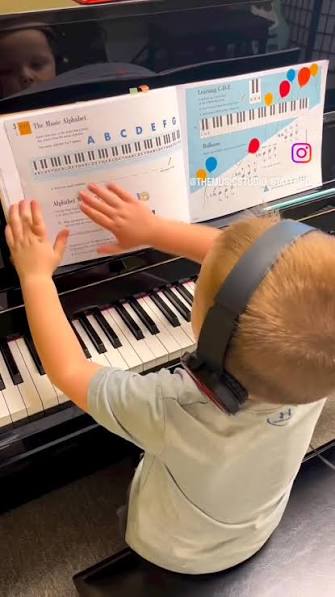
Primary Goal: Deep conceptual understanding, fluency, and creative mastery alongside certification.
Focus: Building foundational skills such as ear training, theory, sight-reading, rhythm, pitch, and performance, so the student can approach examinations with confidence while understanding the why behind the practice.
Best For: Students who view the discipline as a passion or prospective career and want well-rounded capability.
This approach combines the advantages of structured education with deeper practical development. Instead of preparing only for the next examination, the student builds a foundation that can continue supporting their musical journey for years.
The objective is to create a learner who can understand, perform, listen, analyze, and eventually explore music independently. Certification can remain an important milestone, but it becomes part of a much larger educational journey.
❤️ 3. The Pure Pursuit of Passion
Primary Goal: Personal enrichment, creative expression, and stress relief.
Focus: Learning at a tailored pace without the pressure of formal deadlines or standardized examinations.
Best For: Students exploring a hobby for joy and personal growth without needing formal credentials.
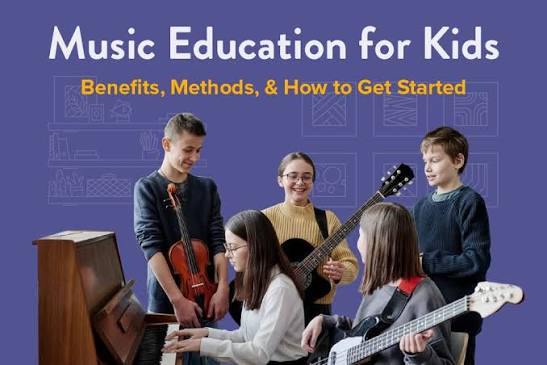
For some learners, music does not need to become a certificate, career, or academic achievement. It can simply become a meaningful part of life.
A student may want to learn an instrument because they love a particular artist, want to play songs for their family, enjoy singing, or simply want a peaceful creative activity. In such cases, learning can be shaped around personal interests rather than examination requirements.
This pathway gives the learner room to explore, experiment, enjoy music, and develop a lifelong relationship with the art without the pressure of standardized assessment.
⚖️ Finding the Right Balance
The real question is not whether certificates are good or bad. The more important question is whether the learning experience is producing genuine understanding alongside the credential.
A student can pursue certification while simultaneously developing ear training, creativity, performance ability, theoretical knowledge, and independent thinking. Likewise, a student who does not need formal certification can still pursue a highly structured and disciplined approach to mastery.
Parents should therefore look beyond the frame on the wall and ask:
- Does my child understand what they are learning?
- Can they apply their knowledge independently?
- Are they developing genuine musical confidence?
- Do they enjoy the learning process?
- Can they continue learning without always depending on an examination syllabus?
- Does the chosen pathway match their long-term goals?
These questions can help families choose an educational experience that is meaningful rather than simply measurable.
💡 Key Takeaway for Parents
A certificate can open a door, but wisdom dictates how far your child walks through it.
Formal qualifications can provide valuable milestones and recognition, but lasting competence comes from understanding, practice, curiosity, and the ability to apply knowledge independently.
By tailoring your child’s learning path to their individual needs, interests, abilities, and passion, you help ensure that their achievements are backed by genuine, lasting competence.
Whether your child chooses certification, comprehensive knowledge, or the pure pursuit of passion, the ultimate goal should remain the same: to develop a learner who does not simply collect certificates, but continues to understand, create, explore, and grow.
Because the greatest achievement is not simply having proof that you learned something—it is truly knowing what to do with what you have learned.
🧭 Customize Your Journey
There is no single “correct” path for every child. A family’s educational choices should reflect the child’s unique interests, aptitudes, abilities, and personal goals.
Some students may need formal certification for a specific academic or professional objective. Others may want comprehensive musical knowledge alongside certification, while some may simply want to explore music for enjoyment, creativity, and personal growth.
The important thing is to understand why you are choosing a particular learning path before deciding what the destination should be.
Here are three common pathways parents can consider when balancing formal certification and foundational mastery: