
My Child Keeps Banging on Everything. Is It Noise, or the Beginning of a Musical Journey?
A different conversation about childhood, music education, discipline and the art of becoming a musician.

Guidance gives it direction.
There is a particular kind of music that every parent eventually becomes familiar with.
It begins with a spoon striking the edge of a steel plate. Then comes the rhythm of pencils against a study table, fingers tapping against car windows, and an enthusiastic child turning an ordinary household object into an imaginary musical instrument.
The dining table becomes a drum kit. The staircase becomes an acoustic experiment. A school water bottle becomes a percussion instrument.
And somewhere between the fifth interrupted phone call and the tenth rhythmic performance of the afternoon, a parent begins searching:
“Music classes near me.”
But behind that Google search is a much bigger question.
Is my child simply fascinated by making sounds, or is there a musician waiting to be discovered?
At SoulFul Musik Academy, we believe that this is where a meaningful conversation about music education should begin.
Not with the price of a class. Not with the number of songs a child can learn during summer vacation. Not even with the instrument they wish to purchase.
It should begin with understanding what it actually means to become a musician.
1. The Biggest Misconception: Learning Music Is Not a Vacation Activity
One of the most common conversations we have with parents goes something like this:
“We have 20 days of vacation. Can our child complete a music course before school reopens?”
It is a perfectly understandable question. Parents want their children to use their holidays productively, explore new interests and develop useful skills.
But music education requires a different way of thinking.
You can purchase a musical instrument in a few minutes. You can receive a beautifully printed book in a day. You can even learn to reproduce a particular song within a few sessions.
But becoming a musician is an entirely different journey.
Purchasing an instrument is a transaction. Understanding how to create music through it is an education.
Memorising a song is an accomplishment. Understanding its Sur, Laya, Taal, phrasing and emotional expression is musicianship.
Attending classes is participation. Practising consistently, listening deeply and applying what you learn is personal development.
At SoulFul Musik Academy, we do not measure musical growth simply by counting calendar days.
We measure it through learning hours, understanding, consistency and practical application.
Imagine two students enrolling in the same 100-hour foundational programme.
One practises diligently for several hours every day. Another practises occasionally, whenever time permits.
Both have access to the same structured knowledge. However, their progress will naturally be different.
The Guru can impart knowledge, demonstrate technique and guide the journey. But the student's Riyaz cannot be outsourced.
Music is not a product that becomes yours merely because you have paid for it.
It is a discipline that gradually becomes a part of you.
2. Music Is Upasana: The Philosophy Behind Our Education
In Indian tradition, music has always represented something deeper than entertainment.
It is associated with devotion, discipline, awareness and the pursuit of excellence.
We call this approach Upasana.
At SoulFul Musik Academy, our educational philosophy is deeply rooted in the Guru-Shishya Parampara: a relationship in which knowledge is not merely transferred but cultivated through observation, practice, discipline, correction and continuous guidance.
A Guru does not simply teach a student which keys to press, which strings to pluck or which words to sing.
A Guru helps develop the student's ability to listen, understand, interpret and eventually create independently.
This distinction is fundamental.
A student who memorises 100 songs may know how to reproduce 100 songs.
A student who understands the musical foundation behind those songs begins developing the ability to understand thousands of compositions.
Our objective is not to create students who depend permanently on instructions. Our objective is to develop musicians who eventually understand what they are doing, why they are doing it and how they can create something of their own.
That is the difference between learning an instrument and understanding music.
3. Our Vision: Creating Musicians, Not Merely Instrument Players
The modern music education industry offers countless opportunities to learn.
There are short-term workshops, hobby classes, online tutorials, crash courses and certificate-oriented programmes.
Each may serve a different purpose.
However, SoulFul Musik Academy was established with a much deeper ambition.
To preserve and revive the depth of authentic Indian Guru-Shishya Parampara while making structured, comprehensive and meaningful music education accessible to dedicated learners across the world.
We envision an educational environment where musical understanding takes priority over superficial performance, where creativity develops alongside technical ability, and where students learn to appreciate music as a lifelong discipline.
Our Mission
Preserve Authentic Musicianship
Establish a strong understanding of Sur, Laya and Taal before encouraging students to pursue performance without foundational clarity.
Develop Independent Musical Thinking
Move beyond mechanical reproduction and help students develop listening ability, musical interpretation, improvisation and creative expression.
Make Music Education Accessible
Remove geographical limitations through professional in-studio education in Mumbai, personalised doorstep tuition and worldwide online one-on-one learning.
Build Lifelong Musical Discipline
Encourage students to understand that education does not end when a course concludes. It continues through independent practice, exploration and personal growth.
Respect the Depth of Every Instrument
Whether it is Vocal, Tabla, Sitar, Piano, Guitar, Violin or another musical discipline, every instrument deserves an approach rooted in understanding rather than shortcuts.
4. Three Types of Musical Learners: Understanding the Difference
Not every individual approaches music with the same intention.
Some want temporary entertainment. Some want a certificate. Others want to understand the art itself.
At SoulFul Musik Academy, we believe that identifying this difference is essential before beginning a serious educational journey.
The Casual Dabbler
This learner is attracted to the excitement of starting something new.
They may attend a few sessions, experiment with an instrument, learn a small portion of a song and gradually lose interest when consistent practice becomes necessary.
There is nothing wrong with exploring music casually. However, this mindset is not aligned with our structured long-term training philosophy.
The Certificate-Oriented Learner
This learner primarily measures success through external recognition.
The focus is often on completing a syllabus, obtaining a certificate or adding another qualification to an academic portfolio.
Certificates and formal qualifications can have their own value. However, they cannot independently establish musical understanding, artistic maturity or creative ability.
Our programmes are not designed around certificate collection.
The True Seeker
This is the learner our academy is designed to serve.
The Category A student understands that music demands patience.
They are willing to repeat a difficult exercise, correct an imperfect note, improve their timing, strengthen their listening ability and practise even when nobody is watching.
They do not simply ask, “How quickly can I finish this course?” They begin asking, “How deeply can I understand this art?”
SoulFul Musik Academy is fundamentally aligned with Category A learners. Our objective is to develop individuals who respect the process as much as they appreciate the performance.
5. The Foundation That Most People Overlook: Sur, Laya and Taal
Imagine asking a child to write beautiful poetry without first helping them understand language.
Or asking someone to construct a building without teaching them the fundamentals of architecture.
This is precisely why foundational understanding matters in music.
At SoulFul Musik Academy, we place particular importance on three fundamental pillars.
SUR The Science and Sensitivity of Pitch
Sur is not simply about singing a note correctly. It involves understanding pitch, recognising tonal relationships, developing vocal or instrumental accuracy and training the ear to identify musical differences.
Students progressively develop their ability to recognise, reproduce and maintain pitch.
LAYA The Natural Movement of Music
Laya gives music its movement. Students learn to understand tempo, rhythmic consistency, timing and the relationship between musical phrases.
Without Laya, even technically correct notes can feel disconnected.
TAAL The Architecture of Rhythm
Taal provides the rhythmic framework within which music unfolds. Understanding rhythmic cycles, divisions, accents and rhythmic patterns helps students develop a more complete relationship with music.
These three elements are not isolated academic concepts.
They work together.
A musician who develops a deeper relationship with Sur, Laya and Taal gradually becomes more confident in listening, performing and creating.
This is why our structured educational approach emphasises musical foundations before rushing towards complicated performances.
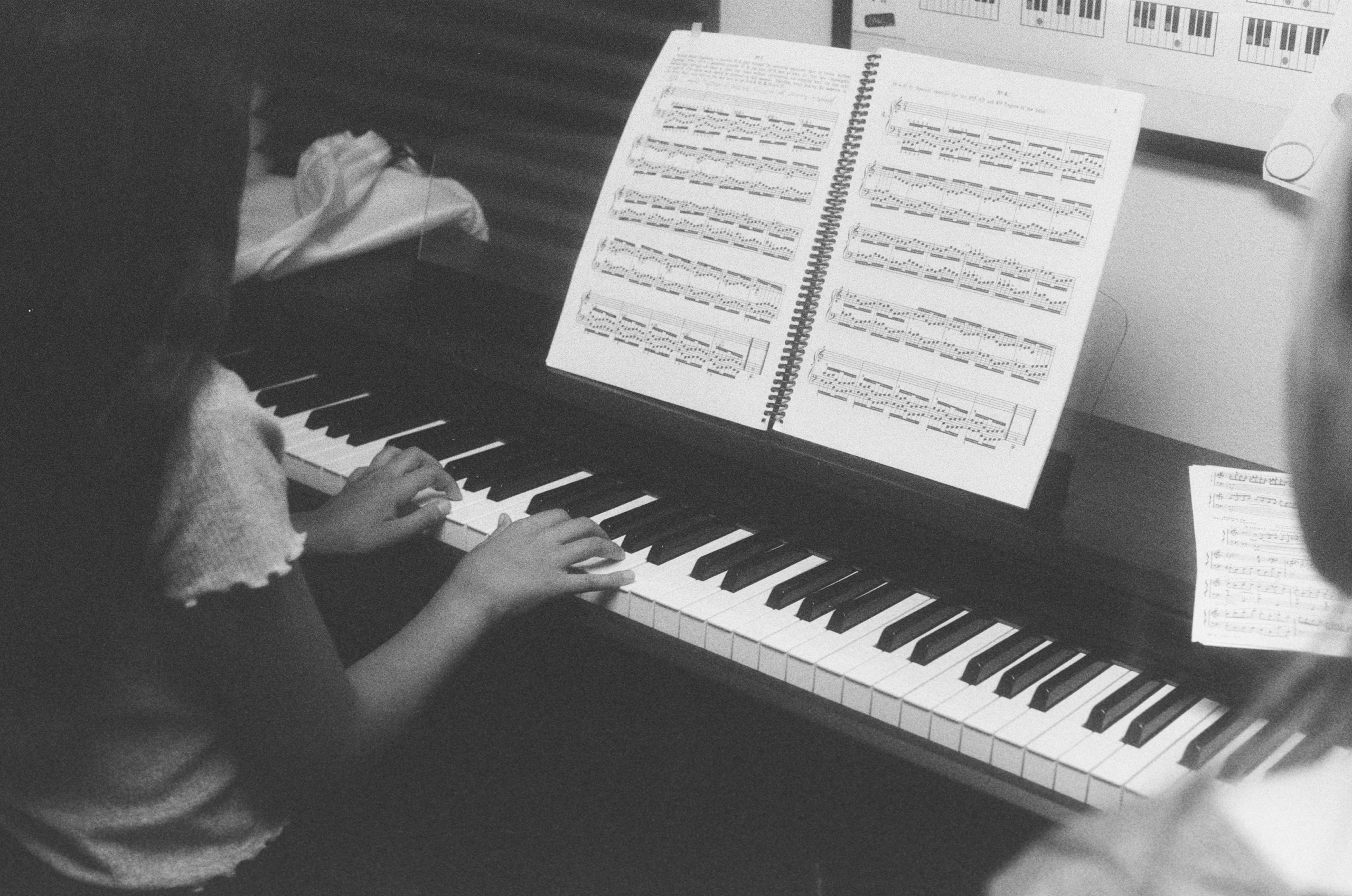
6. Why 100 Hours Can Change the Way You Understand Music
At SoulFul Musik Academy, we believe that meaningful education requires structure.
That is why our foundation programmes are organised around comprehensive learning milestones rather than casual hourly subscriptions.
Our 100-Hour Comprehensive Foundation Programme is designed to establish the essential building blocks of musicianship.
The journey includes:
- 12 Sur Pitching and pitch development.
- Ear Training and listening exercises.
- Sargam and Paltas.
- Understanding musical notation through Sur, Laya and Taal.
- Singing or performing lyrics with appropriate expression.
- Practical application through the selected musical instrument.
- Progressive development of technique, accuracy and confidence.
The intention is to create a foundation that students can continue building upon.
We also recognise that 100 hours is a learning milestone, not a magical guarantee of professional mastery.
The outcome depends on the learner's starting point, consistency, understanding, practice habits and application.
The Three Milestones of Musical Development
Foundation and Clarity
Develop fundamental awareness, establish learning discipline and begin understanding the language of music.
Intermediate Development
Strengthen technical abilities, improve musical independence and develop greater confidence in performance.
The Pursuit of Professional Mastery
Continue the long-term journey towards advanced musicianship, artistic refinement and professional-level understanding.
These milestones represent a philosophy of progressive development, not an artificial deadline for becoming an artist.
100-Hour Comprehensive Foundation Programme
Structured learning investment at SoulFul Musik Academy.
Programme fees, inclusions and payment options may change. Please confirm the current applicable investment and terms with the academy before enrolment.
7. Why SoulFul Musik Academy Is Different: An Integrated Musical Ecosystem
A serious music education institution should offer more than a room, an instrument and a teacher.
It should create an environment where learning, practice, performance, technology and musical exploration can exist together.
This is the philosophy behind SoulFul Musik Academy.
Structured Learning, Not Casual Hourly Classes
We do not operate through random pay-per-hour hobby sessions. Our educational model focuses on comprehensive learning programmes, structured commitments and clearly defined learning hours. The intention is to encourage seriousness, continuity and a meaningful teacher-student relationship.
A Dedicated Learning Investment
Our 100-Hour Comprehensive Foundation Programme currently has a programme investment of ₹1,41,600, as stated in the supplied article. We also provide structured financing options, including eligible banking and EMI facilities, subject to applicable terms and approval.
Our philosophy is simple: serious music education should be approached as a meaningful investment in an individual's development.
Learning Throughout the Year
Musical development should not be restricted to school calendars. Whether it is summer vacation, Diwali holidays or a regular academic term, students can plan their learning around their individual schedules.
Our academy operates throughout the year, allowing dedicated learners to continue their musical journey without depending exclusively on conventional academic calendars.
Multiple Learning Environments
We understand that every student's circumstances are different. That is why we offer three learning formats:
In-Studio Offline Education – Mumbai
A dedicated learning environment for students who prefer face-to-face interaction and practical training.
Private Home Tuition
Personalised instruction at the student's residence, subject to availability and applicable programme fees.
Worldwide Online One-on-One Education
Interactive individual learning for students who cannot physically visit our Mumbai academy.
The geography may change. The commitment to structured education remains.
Instruments, Resources and Musical Support
Finding the right instrument is an important part of beginning a musical journey. Through our extended SoulFul Musik ecosystem, students can explore instrument purchases, pre-owned instruments, rentals, repairs and maintenance support.
This creates a more convenient experience for learners and their families.
Beyond Conventional Musical Boundaries
Our musical ecosystem also embraces rare and distinctive instruments, specialised musical projects, recording environments and preservation initiatives.
Our association with the Bela Bahar represents our interest in protecting and introducing distinctive musical heritage to future generations.
We believe that students should have opportunities to explore beyond the instruments and musical styles they encounter in everyday life.
Explore the SoulFul Musik World Ventures
A connected ecosystem spanning education, instruments, creative infrastructure, performance and musical business development.
Learning & Artist Development
Instruments & Production Infrastructure
Promotion & Performance
8. The Role of Parents: Your Child's First Musical Environment
There is something important that parents should understand.
A music teacher may spend a limited number of hours with a student every week.
But the child's relationship with music continues at home.
Parents play an essential role in creating an environment where practice, curiosity and discipline can develop naturally.
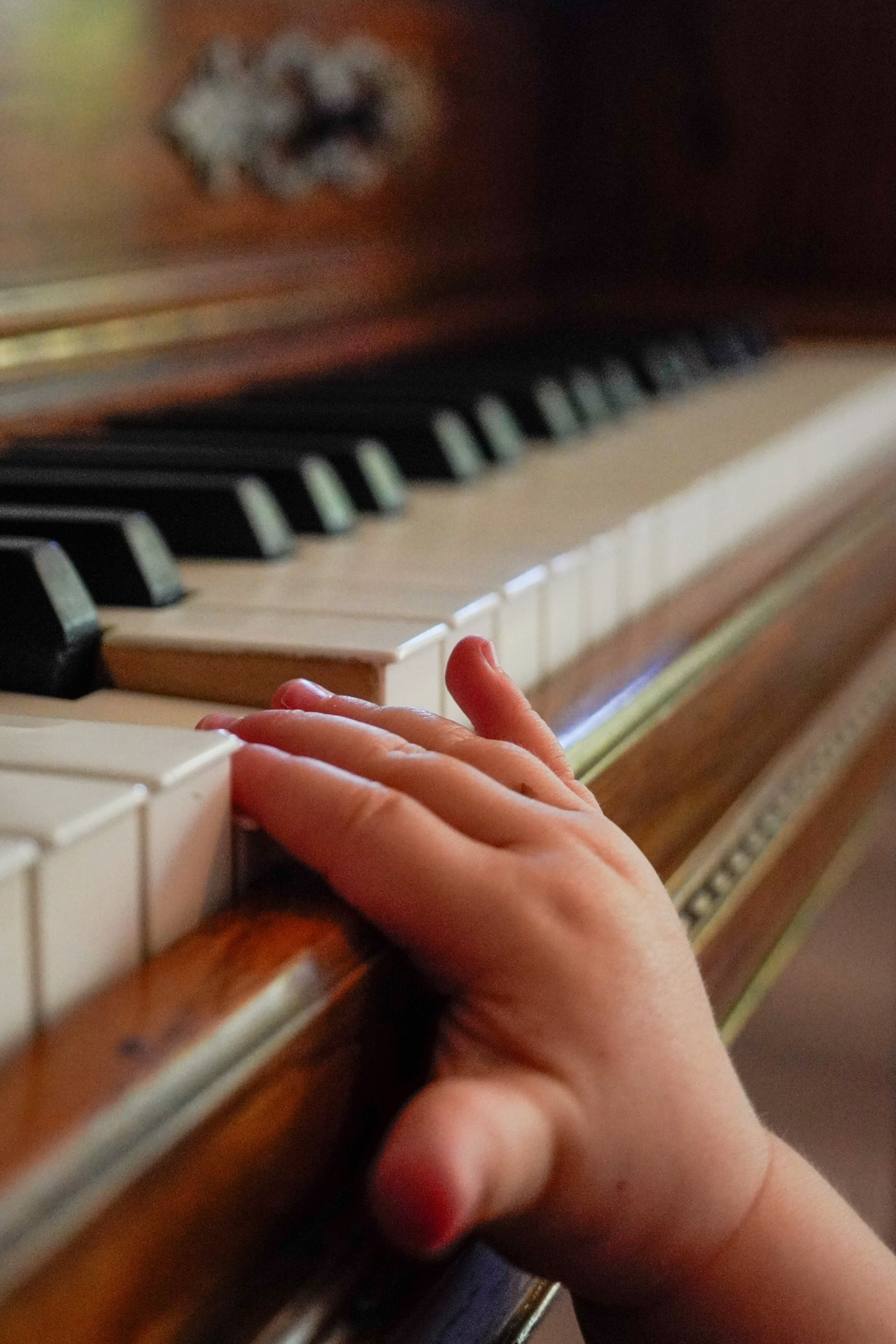
Five Things Parents Can Do
Encourage curiosity rather than demanding immediate results.
Allow children to explore sounds, rhythms and melodies without expecting instant perfection.
Create a consistent Riyaz routine.
Even a well-planned daily practice schedule can make a meaningful difference over time.
Avoid comparing your child with other students.
Every learner has a different starting point, learning speed and musical temperament.
Respect the instrument.
Teach children to care for their instruments and understand that they are tools of artistic expression, not toys to be handled carelessly.
Value understanding over applause.
A child who spends 30 minutes correcting a difficult rhythmic pattern may be developing more meaningful musical skills than one who simply memorises another song.
Your encouragement can become an important part of your child's musical foundation.
9. Frequently Asked Questions by Parents
My child has only 15–20 days of vacation. Can they learn music during this period?
Yes. Students can begin their musical education during a short vacation. However, completing a structured programme and developing long-term musicianship are different objectives. Learning continues through consistent practice beyond the holidays.
How many days does a 100-hour programme take?
It depends on the student's scheduled learning hours and independent practice. For example, 100 hours of instruction delivered over 10 hours per day would represent 10 instructional days. A more gradual schedule will take longer.
Does my child need prior musical knowledge?
No. Beginners can start with foundational musical training. The learning approach is structured according to the student's existing understanding and development.
Can my child learn multiple instruments?
Students can explore different musical disciplines. However, we encourage building a strong foundation and developing consistency rather than spreading attention across multiple instruments without sufficient practice.
Do you offer online classes for students outside Mumbai?
Yes. We offer one-on-one online learning for students across geographical boundaries.
Is the programme suitable for adults?
Absolutely. Music education is not restricted to childhood. Dedicated learners of different age groups can begin their musical journey.
Do you charge per hour?
Our academy follows structured programme-based learning rather than casual per-hour hobby subscriptions. Please contact our team for the applicable programme details.
10. A Final Thought: Perhaps Your Child Is Not Making Noise
Perhaps that spoon against the steel plate is the beginning of rhythmic curiosity.
Perhaps those fingers tapping against a table are exploring patterns.
Perhaps the child humming the same melody repeatedly is beginning to recognise something that words cannot yet explain.
But potential alone does not create musicians.
Talent needs direction. Curiosity needs education. Interest needs discipline. And knowledge needs practice.
The purpose of music education should not be to produce a temporary performance for a school function, a handful of memorised songs or another certificate to display.
It should be to give a human being the ability to understand, appreciate, create and express music throughout life.
At SoulFul Musik Academy, we do not promise instant musicianship.
We believe in something far more meaningful: a structured path, authentic guidance, foundational understanding and the discipline required to grow.
Because the greatest achievement is not simply learning to play an instrument.
It is reaching a point where you understand music so deeply that you are no longer just reproducing what someone else created. You are capable of creating something of your own.
And that is where a musical journey truly begins.
If You Have A Musical Dream,
We Have A Musical Way.
Learn with understanding. Practise with discipline. Grow with music.