
Microphones & Audio Gear: Types, Uses & Buying Guide
Explore microphones for vocals, studio recording, podcasts and live performances. Understand condenser and dynamic designs, compare wired and wireless connections, and learn which details to check before choosing audio equipment.
Choosing a microphone starts with understanding the sound you want to capture and the equipment you will connect it to. Microphone type, connection method, intended use, room conditions and compatibility all influence which option makes sense for a singer, creator, studio, musician or live event.
This guide introduces the main microphone categories and the details worth checking before you buy. Use it alongside the actual product specifications and current availability listed by SoulFul Musik Store.
Explore Microphone Types
Microphones are often grouped by how they convert sound and by how they connect to the rest of the system. Condenser and dynamic describe common transducer designs; wired and wireless describe connectivity. These are separate attributes, so a product can be both dynamic and wireless, for example.
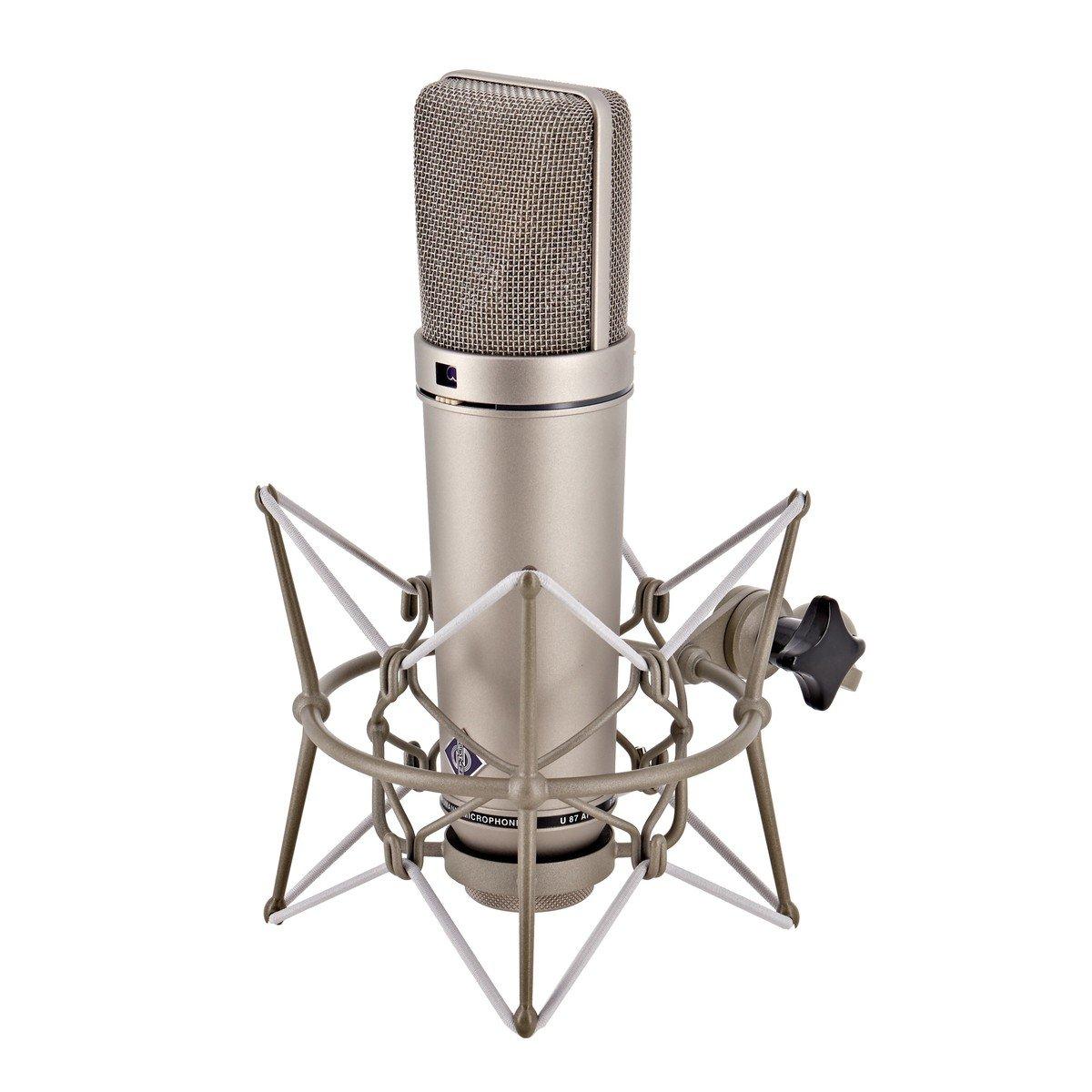
Condenser Microphones
Often used for detailed studio vocal and instrument recording. Check the model's power requirements, polar pattern, connection and intended application.
Learn what to check ↗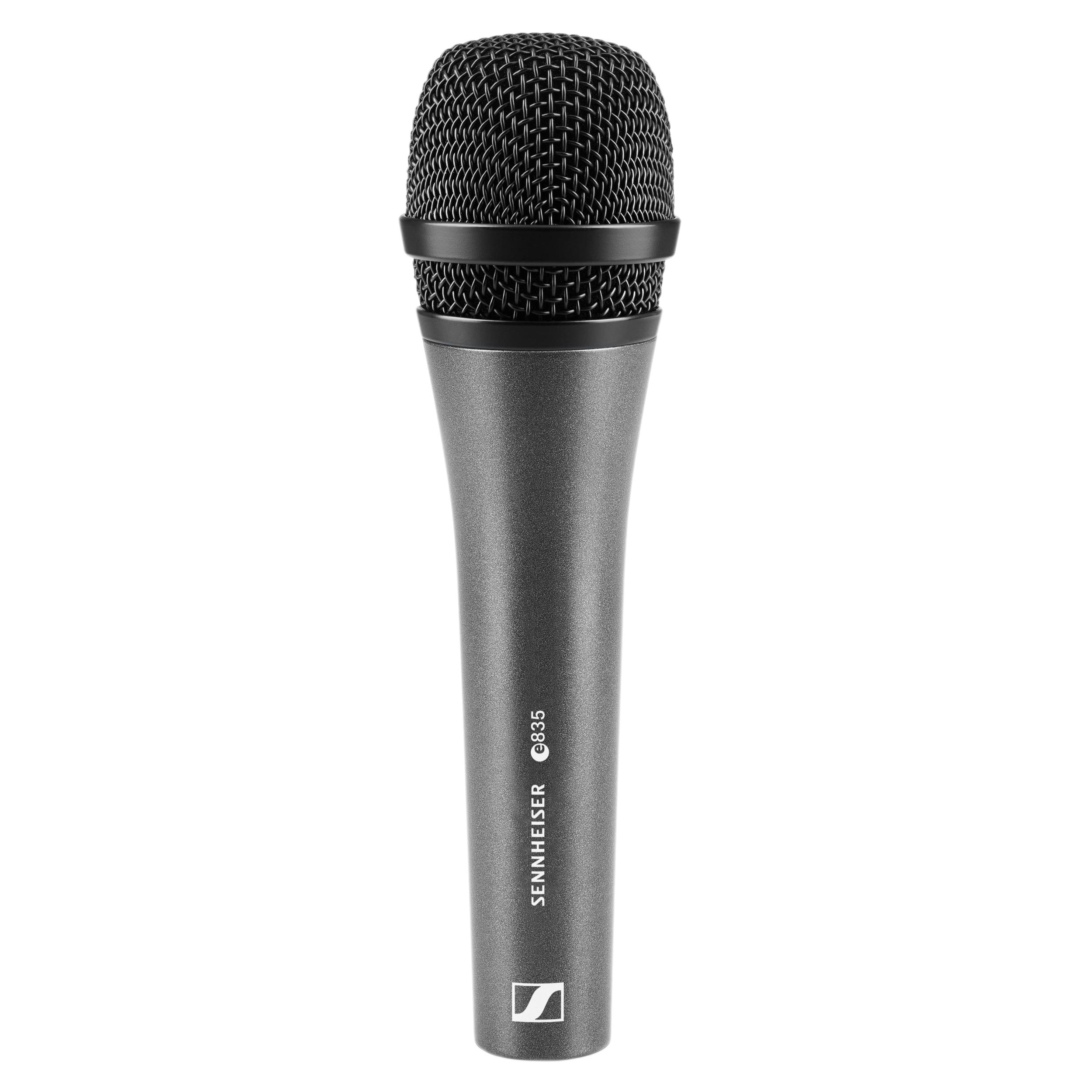
Dynamic Microphones
Common in live vocals, rehearsal spaces and many instrument applications. Review sensitivity, pickup pattern, handling and connection needs.
Learn what to check ↗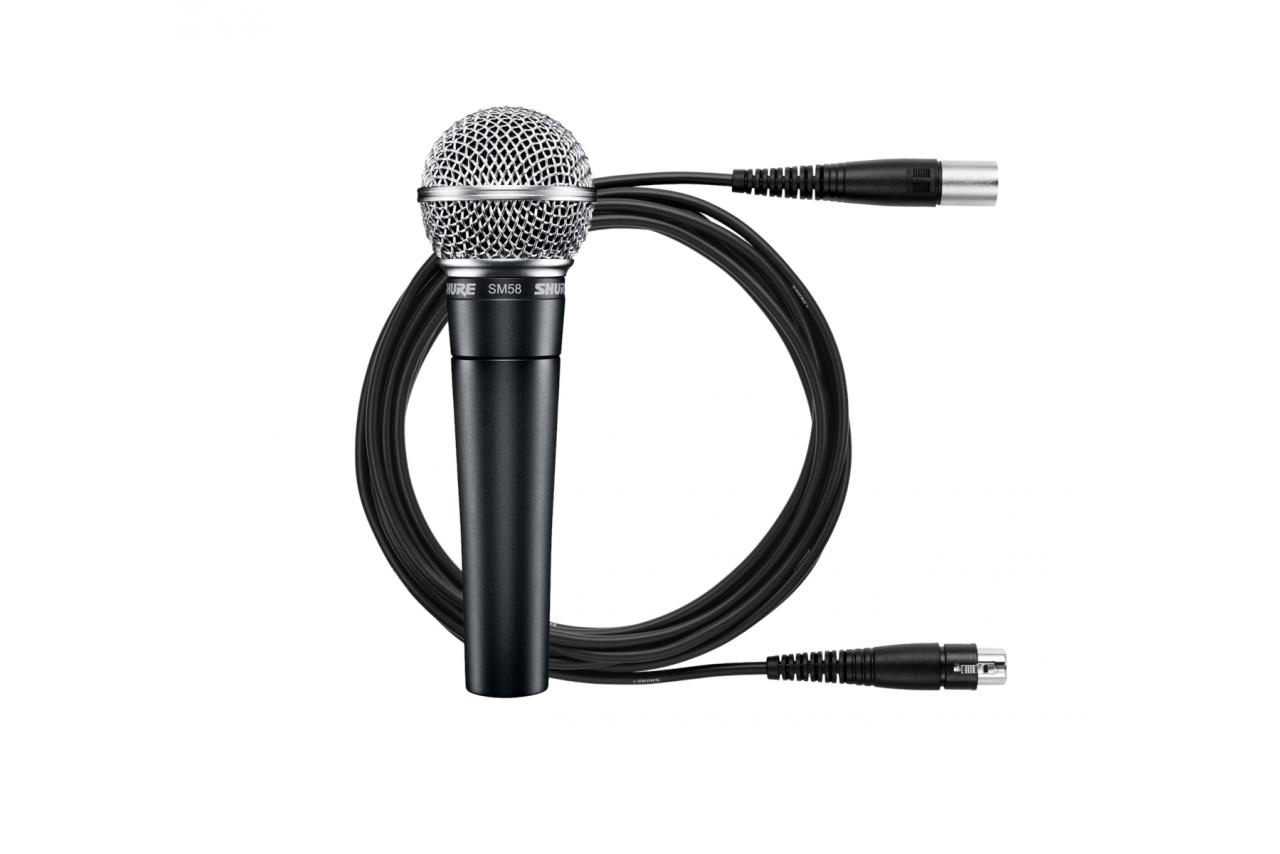
Wired Microphones
Cable-connected microphones are often straightforward to integrate when the connector, cable length and input match your setup.
Explore wired setups ↗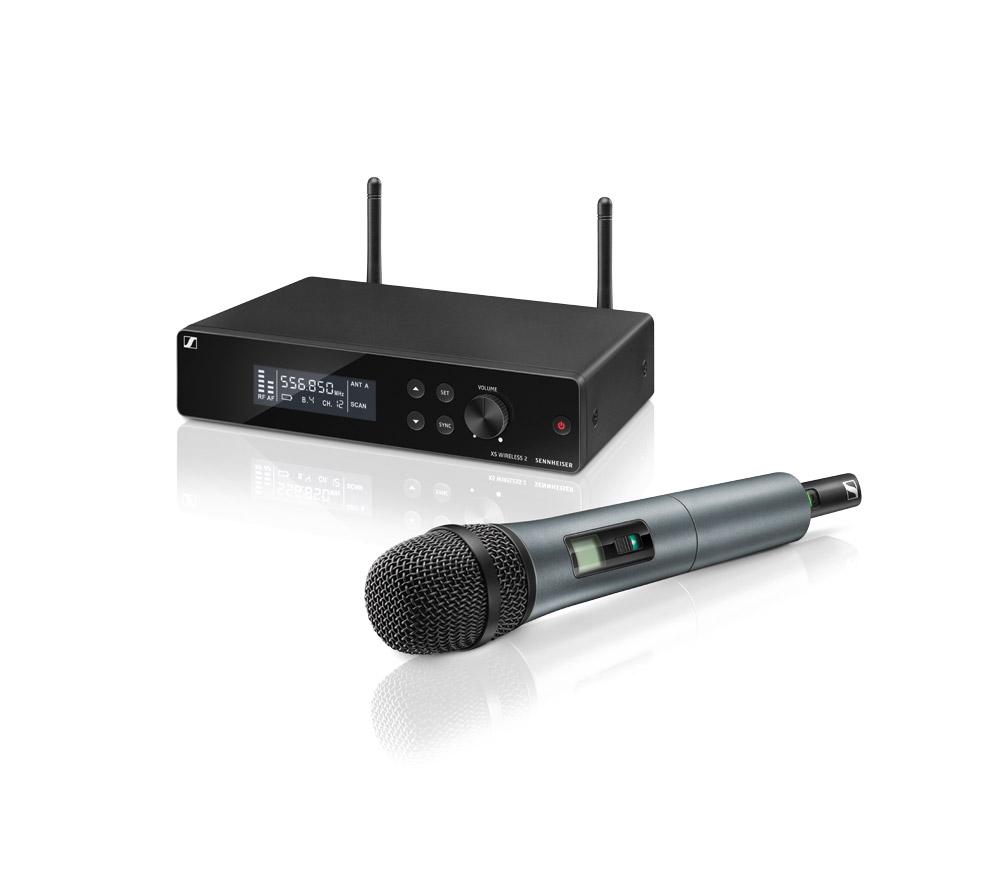
Wireless Microphones
Wireless systems provide movement without a microphone cable, but require compatible transmitters, receivers, power and suitable frequency operation.
Explore wireless systems ↗Condenser Microphones: What to Check
Condenser microphones are frequently selected for studio vocals, acoustic instruments and spoken-word recording because many designs capture fine detail. The right choice still depends on the exact model, source, room and recording chain.
Check the manufacturer's specifications and required power before connecting a condenser microphone.
- Power: Check whether the model requires phantom power or another power source.
- Polar pattern: Understand how the microphone picks up sound from different directions.
- Room conditions: Reflective or noisy rooms can affect the recording regardless of microphone price.
- Connection: Check the output connector and the input you intend to use.
- Accessories: Confirm whether a stand, shock mount, pop filter or cable is included or must be purchased separately.
Dynamic Microphones: What to Check
Dynamic microphones are used in many live-performance, rehearsal, broadcast and recording situations. Their suitability depends on the particular model, the source and the surrounding sound environment.
Compare the pickup pattern, handling characteristics, connector and intended use of the specific dynamic microphone.
- Application: Confirm that the microphone is designed for the source and performance conditions.
- Pickup pattern: Check how it responds to nearby sound sources and stage noise.
- Output level: Ensure the mixer or audio interface can provide suitable gain.
- Handling and durability: Consider how and where it will be used.
Wired Microphones: Connectivity and Setup
A wired microphone connects to compatible equipment through a cable. Before purchasing, check the microphone output, cable connector, cable length, input type and how the cable will be routed safely in the room or performance area.
Confirm connector compatibility and include a suitable cable in the setup plan.
- Connector compatibility: Check whether the microphone and receiving device use XLR, ¼-inch or another connector.
- Cable requirements: Choose a suitable cable type and length for the location.
- Movement: Plan the cable route to reduce trip hazards and accidental disconnection.
- Accessories: Check the product listing to see whether the cable is included.
Wireless Microphones: Systems and Compatibility
A wireless microphone system typically includes a microphone or transmitter and a compatible receiver. Some systems use handheld transmitters; others support lavalier or headset microphones. Confirm the complete system rather than assuming a microphone will pair with any receiver.
Wireless systems require compatibility checks for the transmitter, receiver, power and operating environment.
- Included components: Verify exactly which microphones, transmitters, receivers and accessories come with the product.
- Operating environment: Consider potential interference and the intended location of use.
- Battery or charging: Check battery type, runtime and charging requirements stated by the manufacturer.
- Receiver output: Make sure the output can connect to your mixer, interface or PA system.
Condenser vs Dynamic, Wired vs Wireless
These labels describe different things. Compare both the microphone's transducer design and its connection method before choosing equipment.
| Attribute | What it describes | What to compare |
|---|---|---|
| Condenser | Transducer design | Power, sensitivity, polar pattern, intended source and room |
| Dynamic | Transducer design | Application, output level, pickup pattern and handling |
| Wired | Cable-based connection | Connector, cable length, input compatibility and routing |
| Wireless | Radio-based connection system | Transmitter/receiver compatibility, batteries, operation and output |
Choose a Microphone for Your Use
Start by identifying the sound source, environment and equipment you already own. The same microphone may not be ideal for every room or performance.
| Use case | Questions to ask | Related equipment |
|---|---|---|
| Vocal recording | How treated and quiet is the room? What sound character do you need? | Audio interface, stand, pop filter and headphones |
| Podcast or spoken content | Will one or several speakers use it? How much room noise is present? | Suitable input, stand or boom, headphones |
| Live singing | Will the performer move? What inputs and monitors are available? | PA or mixer input, cable or compatible wireless receiver |
| Events and presentations | How many speakers and what coverage are required? | Compatible mixer, PA and suitable microphone system |
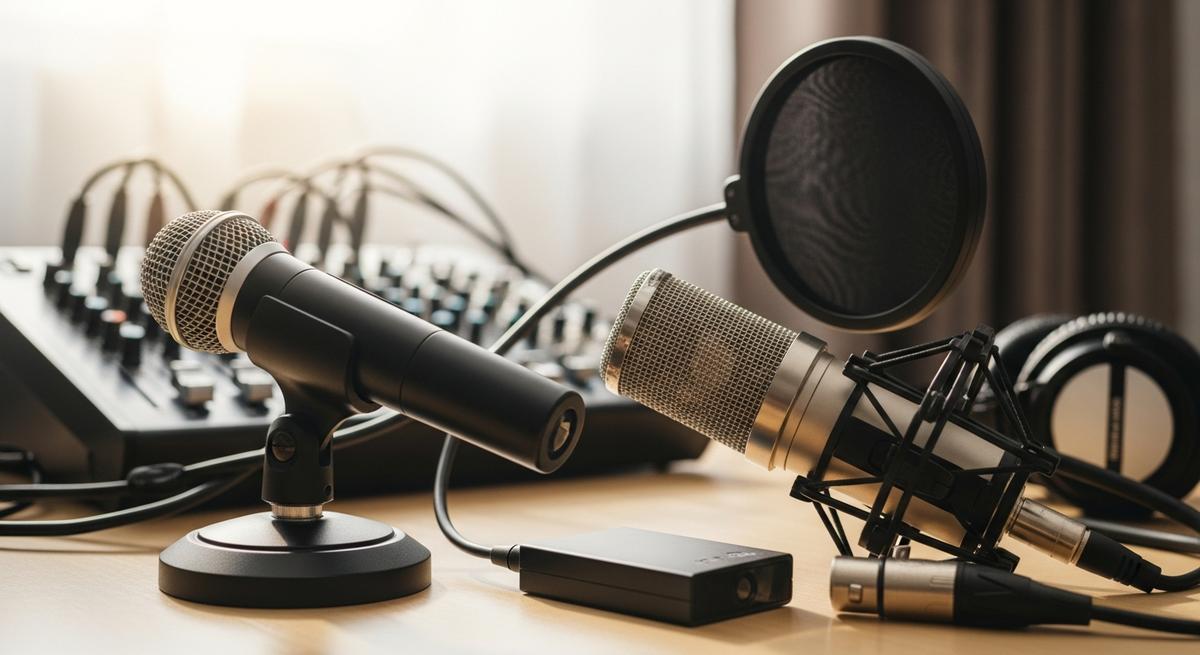
Think about the complete audio chain: microphone, connection, mixer or interface, monitoring and the room or venue.
New and Pre-Owned Microphones
If pre-owned products are listed, read the stated condition carefully and check what is included. Microphones can look similar while differing in connectivity, specifications, accessories and service history.
- Check the exact model and serial or identifying details supplied in the listing.
- Review the stated physical condition and any visible wear.
- Confirm whether cables, clips, mounts, batteries or receivers are included.
- Review the store's actual return, testing and warranty conditions, if applicable.
- Ask for clarification before ordering if the listing does not answer a compatibility question.
Don't assume that a product is pre-owned or that a warranty is included unless its listing clearly says so.
Accessories and Audio Gear
A microphone is only one part of a functioning setup. Depending on the model and use case, you may also need a stand, clip, cable, shock mount, pop filter, compatible interface, mixer, receiver, headphones or speakers. Confirm compatibility and check whether accessories are supplied with the main product or sold separately.
Buying Microphones in Goregaon, Malad, Mumbai, India and Online
When comparing audio gear, look beyond the microphone name. Check product availability, final price, shipping eligibility, payment methods, delivery estimates and the store's policies. Local pickup, same-day delivery and service coverage should only be assumed if the store explicitly confirms them.
For related audio services, consult the relevant SoulFul venture websites to verify their current offerings. The buying category should remain focused on the microphone products actually listed for sale.
Find the right microphone for your setup.
Browse the SoulFul Musik Store, compare the products currently available and check specifications before placing your order.
Explore SoulFul Musik Store ↗Explore Related SoulFul Ventures
Microphones connect to a wider ecosystem of recording, audio equipment, rehearsal and live-event work. Explore related websites and confirm the services available directly with each venture.
Frequently Asked Questions
What types of microphones are available?
Microphone types can include condenser, dynamic, wired and wireless models. Availability depends on the store's current product listings.
What is the difference between condenser and dynamic microphones?
They use different transducer designs and may suit different recording or performance situations. Compare the actual model's specifications, intended use and compatibility before purchasing.
What is the difference between wired and wireless microphones?
Wired microphones connect through a cable. Wireless microphone systems transmit audio to a compatible receiver, and require the correct components and setup.
Which microphone is suitable for singing?
The choice depends on your voice, room, recording or live-performance setting, connection requirements and budget. Check the microphone's intended uses and specifications.
Can I buy microphones online in India?
Check the store's current product availability, delivery coverage, payment options, shipping estimates and returns policy before placing an order.
Are pre-owned microphones available?
Availability depends on current listings. For pre-owned products, check the declared condition, included accessories and any applicable testing, return or warranty terms.
What accessories might I need with a microphone?
Depending on the model, you may need a compatible cable, stand, clip, pop filter, shock mount, audio interface, mixer or receiver. Check whether each accessory is included.
How do I choose a microphone for live shows or events?
Consider performer mobility, connection type, receiver or mixer compatibility, the venue and the event's technical setup. Confirm requirements with the sound team where possible.