🎚️ Audio Mixer – The Heart of Professional Sound Control & Music Production
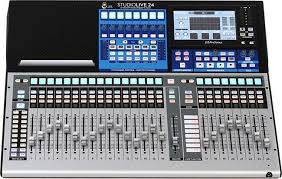
An Audio Mixer is one of the most important devices in modern music production, live performances, recording studios, and broadcasting systems. It allows multiple audio signals to be combined, balanced, adjusted, and routed efficiently, ensuring high-quality sound output.
Whether it is a live concert, music recording session, podcast production, or classroom setup, a mixer plays a vital role in delivering clear and professional audio.
📖 About Mixer:
A Mixer, also known as a Mixing Console or Sound Board, is an electronic device used to control audio signals from different sources such as microphones, instruments, computers, and playback systems.
The mixer allows sound engineers and musicians to adjust volume levels, equalization (EQ), effects, panning, and output routing. This ensures every sound source blends perfectly within the overall mix.
Modern mixers are available in both analog and digital formats. Analog mixers provide hands-on control through physical knobs and sliders, while digital mixers offer advanced processing, presets, recording integration, and remote control capabilities.
Mixers are widely used in music academies, concert halls, recording studios, churches, event venues, broadcasting stations, and home studios.
🎵 Key Features:
• Multiple audio input channels
• Independent volume control for each source
• Built-in equalizer (EQ) settings
• Effects processing options
• Microphone and instrument connectivity
• Audio routing and monitoring controls
• Analog and digital operating modes
• Professional sound management capabilities
🎼 Benefits of Learning Audio Mixing:
• Develops understanding of sound engineering
• Improves live sound management skills
• Enhances recording and production knowledge
• Builds professional audio workflow expertise
• Helps create balanced and clear sound mixes
• Opens opportunities in music production careers
• Strengthens technical understanding of audio systems
🎯 Learning Opportunities:
Students learning Audio Mixer operation can explore:
• Channel strip functions and controls
• Gain staging techniques
• Equalization (EQ) fundamentals
• Effects processing and routing
• Live sound reinforcement systems
• Recording studio workflow
• Audio signal flow management
• Professional sound troubleshooting
🌟 Musical Applications:
Audio Mixers are widely used in:
• Recording Studios
• Live Concerts and Events
• Music Academies and Training Centers
• Podcast Production Studios
• Radio and Broadcasting Stations
• Houses of Worship
• Corporate Events and Conferences
• Home Studio Setups
🎓 Why Learn Audio Mixing?
Understanding how a mixer works is essential for anyone interested in music production, live sound engineering, recording, or professional audio management.
A mixer gives musicians and audio professionals complete control over sound quality, allowing them to create polished performances and professional recordings. Learning audio mixing not only improves technical knowledge but also opens doors to careers in sound engineering, event production, broadcasting, and music technology.
In today’s digital music industry, mixer operation is considered one of the most valuable technical skills for aspiring musicians, producers, and sound engineers.