
Music Classes for Autistic Children: A Parent’s Complete Guide
Choosing a music class for an autistic child is less about finding a single “perfect” format and more about creating a comfortable, respectful and structured learning experience that matches the child’s interests, pace and participation style.
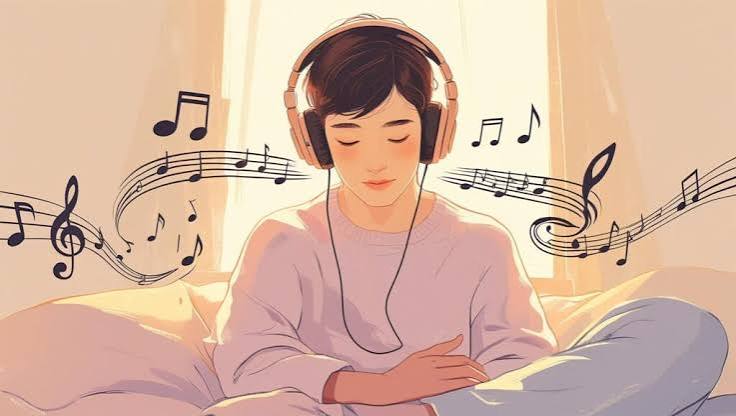
A useful music class should respect the child as an individual while still offering meaningful musical progression.
What Should Parents Look for in Music Classes for Autistic Children?
Good music education starts with the learner. For an autistic child, that may mean a class with clear routines, patient instruction, manageable steps, comfortable pacing and an instrument or activity that genuinely captures their interest.
There is no single teaching format that works for every autistic learner. Some children may enjoy repeating rhythmic patterns, while others may prefer melody, singing, keyboard playing or simply exploring sounds. The most useful starting point is to understand the child's interests, current musical experience and preferred way of participating.
A practical parent principle: look for a teacher who can adjust the lesson without losing the musical goal. Flexibility should support learning rather than replace structure.
How Can a Music Lesson Be Adapted?
An inclusive music lesson does not need to be complicated. Often, small changes to the environment, instructions and pacing can make the class easier to follow and more enjoyable for the learner.
Clear lesson structure
Use a predictable sequence such as welcome, warm-up, skill practice, musical activity and a clear finish.
Small learning steps
Break a skill into shorter activities so the learner can experience progress without unnecessary overload.
Interest-led examples
Use familiar songs, preferred sounds or favourite musical activities to make practice more meaningful.
Flexible pacing
Repeat, slow down, simplify or extend an activity according to the learner’s response during the session.
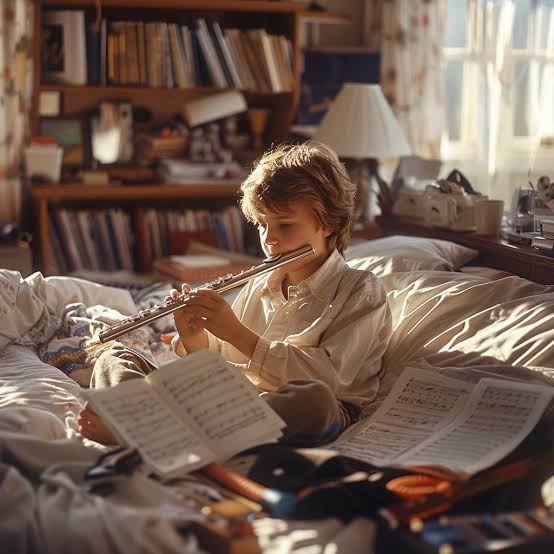
The goal is musical participation
The purpose of an adaptive lesson is not to make the child fit the class. It is to make the learning experience easier to access while still teaching real musical skills such as rhythm, listening, pitch, coordination, repertoire and expression.
Parents can ask teachers how they introduce new activities, how they respond when a child needs a break, and how progress is tracked over time.
Which Instruments May Be a Good Starting Point?
The best first instrument is usually the one that is physically manageable and genuinely interesting to the learner. There is no universal “autism instrument”; fit should be considered child by child.
| Option | Why it may appeal | What to consider |
|---|---|---|
| Keyboard / Piano | Clear layout, visible notes and immediate feedback. | Check posture, reach, volume and whether sustained practice feels comfortable. |
| Singing | No instrument purchase is needed and musical activities can be very accessible. | Respect vocal comfort and avoid forcing participation. |
| Rhythm / Percussion | Strong beat-based activities can make timing highly tangible. | Consider sound sensitivity and overall room volume. |
| Guitar | Popular repertoire and tactile interaction can be motivating. | Check instrument size, string feel and hand comfort. |
One-to-One, Group or Online: Which Format Works Best?
The right format depends on the learner’s comfort with social interaction, attention demands, environment and personal goals. Parents should focus on the learning experience rather than assuming one format is automatically better.
One-to-one lessons
Useful when the learner benefits from a highly focused pace, repeated instructions or individualized lesson structure.
Small-group learning
Can create shared musical experiences while keeping the group small enough for the teacher to provide attention.
Online music classes
Can be convenient for families who prefer learning from home or need more scheduling flexibility.
Parent-supported sessions
For some beginners, a familiar adult nearby can make the transition into a new learning environment easier.
Comfort and consistency matter
A well-run lesson usually benefits from a consistent routine. That can make it easier for the learner and parent to understand what happens next and what progress looks like.
Ask about lesson duration, teacher communication, make-up policies, trial sessions, and how the academy handles changes in attention or participation.
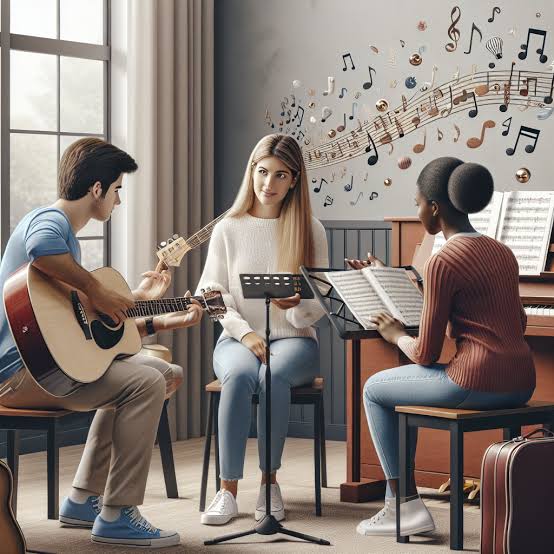
How to Choose Music Classes for an Autistic Child
Before enrolling, parents can use a simple checklist to compare teachers and academies. The strongest option is usually the one that combines musical quality with realistic flexibility.
Music Classes in Mumbai, Goregaon and Online
Families searching for music classes for autistic children in Mumbai may want to compare local access, travel time, class environment and teacher fit. For families outside Mumbai, online lessons can provide another route into structured music learning when the learner is comfortable with remote instruction.
Make the location work for the learner
Goregaon and Mumbai can be useful starting points for local learning, while online lessons can extend access to students in other cities and countries when the format is suitable.
Music Education Is Different From Music Therapy
Parents may see the terms “music classes” and “music therapy” used together online, but they describe different goals. A music class is primarily educational: the learner is developing musical skills, knowledge, repertoire, technique or confidence as a participant in music.
Music therapy is a separate therapeutic discipline delivered within a clinical or therapeutic framework. A music academy should not present ordinary music lessons as a treatment for autism or make medical promises that the lesson is not designed to provide.
For families: ask whether a provider is offering music education, therapeutic services, or both through appropriately qualified professionals. Choose the service according to the outcome you are actually seeking.
Explore Relevant SoulFul Musik Ventures
Music learning can connect with other parts of a student’s journey. These are the SoulFul ventures most relevant to this article’s education, practice and progression pathways.
SoulFul Musik Academy
Explore the academy’s broader music education journey, learning pathways and class options.
SoulFul Musik Studio
A relevant next step for learners who eventually want to explore recording, practice or music production environments.
SoulFul Musik Jampad
Useful as a later-stage music practice and collaborative pathway when the learner is ready.
SoulFul Certifications
A future-facing pathway for formal learning recognition where a student’s goals and program level make it appropriate.
FAQs About Music Classes for Autistic Children
Find a Music Learning Path That Feels Right for Your Child
A supportive music class can begin with one simple question: what kind of musical experience would help this learner feel curious, comfortable and ready to participate?
Explore SoulFul Musik Academy → Back to top ↑