
Pakhawaj for beginners, learning & Indian classical music
Discover the Pakhawaj from the ground up — what the instrument is, how beginners learn, what to look for in classes, how practice develops, and how to think about choosing an instrument.
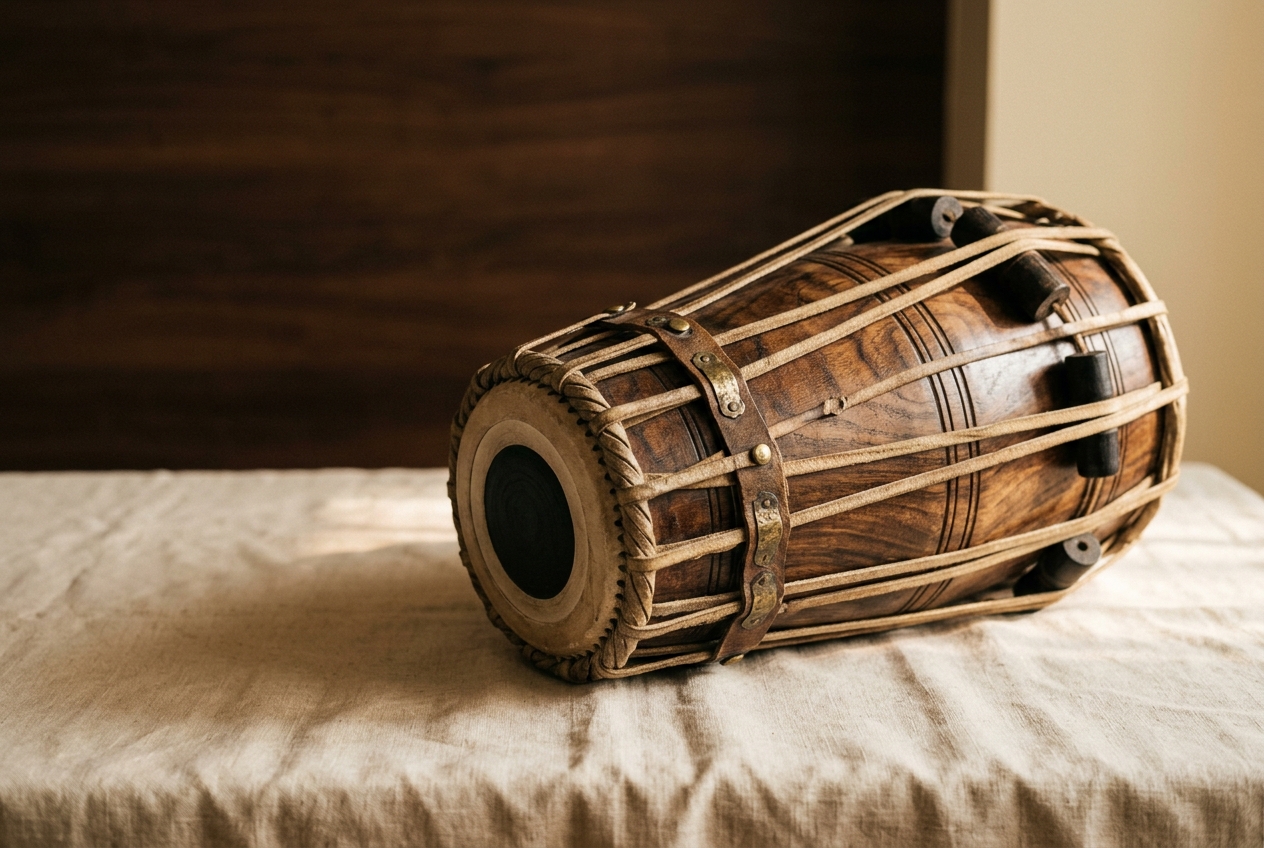
Instrument basics, learning, classes, practice, selection and beginner decisions in one place.
What is a Pakhawaj?
The Pakhawaj is a traditional two-headed Indian barrel drum strongly associated with North Indian classical and devotional music traditions. For a beginner, understanding its shape, tonal character, playing technique and role in ensemble or solo performance creates a stronger foundation before formal lessons begin.
The instrument rewards disciplined listening, controlled hand technique and a patient relationship with rhythm. That makes the quality of instruction and a consistent practice routine important parts of the learning journey.
Beginners benefit when the instrument, posture, strokes, basic bols and practice method are introduced in a structured sequence.

What should a beginner learn first?
Early Pakhawaj study is generally about building reliable fundamentals. The exact sequence depends on the teacher and learner, but a beginner can expect attention to posture, hand placement, basic strokes, rhythmic awareness, listening and gradual vocabulary development.
Instrument familiarity
Understand the two heads, basic tuning approach, playing position and how the instrument responds to touch.
Core strokes
Build controlled hand movements and clear sound production before adding faster or more complex patterns.
Rhythm & listening
Develop a sense of tempo, cycle, repetition and attentive listening alongside physical technique.
Practice habits
Use short, consistent sessions to reinforce accuracy, relaxation, memory and gradually stronger musical expression.
Is Pakhawaj difficult to learn?
Pakhawaj can feel challenging at first because the learner is developing several skills together: coordination, sound production, timing, listening and rhythmic memory. Difficulty is therefore less about whether someone can learn it and more about how consistently the fundamentals are practiced and corrected.
Beginners often progress more comfortably when lessons are structured and the teacher gives specific feedback on hand technique, timing and sound quality rather than only moving through material quickly.
How to learn Pakhawaj
There are two practical routes many learners consider: in-person instruction and online learning. The right format depends on schedule, access to a suitable instrument, the learner's goals and how much direct correction is needed.
Explore the wider SoulFul Musik Academy learning ecosystem and confirm current availability, format and schedules.
Learning with a teacher
A teacher can help correct hand position, clarify rhythmic ideas and create a progressive practice sequence. For beginners, immediate feedback can prevent small technical habits from becoming difficult to change later.
Learning Pakhawaj online
Online learning can work well for students who need remote access or flexible scheduling, especially when the learner already has a suitable instrument, stable audio/video setup and the ability to practice consistently between sessions.
How to choose the best Pakhawaj classes
“Best” is not a universal label. A good Pakhawaj program should match the learner's level, goals and preferred learning format. Compare the structure, teaching approach, feedback style and expectations rather than choosing only on price or convenience.
Learning Pakhawaj in Mumbai, Goregaon and online
Learners may consider local options in Mumbai, including Goregaon, as well as remote learning. Availability, schedules and teaching formats can change, so it is useful to confirm the current setup before enrolling.
For students comparing local and online learning, the most useful question is not simply “Which is better?” but “Which format gives me the right amount of guidance and practice accountability for my current level?”
How to choose a Pakhawaj instrument
A beginner should think about the instrument as a practical learning tool, not only as a decorative object. Overall construction, condition, head quality, tuning response, comfort and setup all influence how enjoyable the instrument is to practice.

How much does a Pakhawaj cost?
Pakhawaj pricing can vary significantly depending on craftsmanship, materials, condition, setup and the source of the instrument. A reliable buying decision should therefore compare usable quality and suitability, not only the lowest listed price.
Beginners may also consider whether buying a new instrument, choosing a pre-owned option, or using rental access makes more sense for their current stage of learning.
Pakhawaj vs Tabla: what is the difference?
Pakhawaj and Tabla are both important Indian percussion instruments, but they differ in construction, playing approach, repertoire and traditional musical contexts. Someone choosing between them should think about the sound they want to develop, the style of music they hope to study and the learning tradition they want to follow.
Common beginner mistakes to avoid
Beginners can progress more smoothly when they avoid rushing through technique, practicing only when convenient, buying an instrument without checking condition, or changing learning methods too frequently. Consistency and informed guidance usually matter more than intensity.
Pakhawaj questions beginners often ask
Yes. Beginners can start with foundational posture, strokes, listening, rhythm and practice habits under a suitable learning approach.
Online learning may be suitable when the learner has an appropriate instrument, reliable technology and regular time to practice between sessions.
Look for clear progression, teacher feedback, appropriate beginner material, consistent practice guidance and a format that fits your goals and schedule.
You can, but beginners often benefit from guidance when choosing an instrument so that comfort, condition, setup and suitability are considered before purchase.
Availability can vary. Contact the relevant SoulFul Musik Academy learning channel to confirm current class formats, schedules and location options.
Explore Pakhawaj learning with a clearer starting point.
Use this guide to understand the instrument, compare learning options and make your next step more confidently.