Punjabi Folk & Traditional Music Training.
Prepare for music-related film roles with focused vocal, instrumental and cultural music training shaped around the character, script and scene. For actors, celebrities and production teams working across films, advertisements, television and web series.

When a role requires an actor to sing, play an instrument or understand a traditional musical form, preparation needs to go beyond a general music lesson. SoulFul can discuss a focused training plan based on the production brief, the character, the musical requirement and the shoot schedule.
Why Do Actors Need Specialised Music Training?
A film character may be a folk singer, devotional vocalist, percussionist, instrumentalist or someone whose story is closely connected with music. When a scene shows the character performing, the actor may need to learn specific musical actions and understand the style well enough to make the portrayal convincing.
That preparation can involve more than memorising a few movements. An actor may need to understand how an instrument is held, how a rhythm is counted, how a phrase is sung, how a musician responds to other performers, or how a traditional musical setting works.
Character preparation
Understand the musical background, abilities and performance behaviour required for the character.
On-screen technique
Practise instrument handling, fingering, hand movement, singing, rhythm and performance cues relevant to the scene.
Musical authenticity
Build familiarity with the relevant musical style, repertoire and cultural context.
Production readiness
Prepare around the agreed shoot timeline, scene requirements and direction from the creative team.
Music Training Designed Around the Film Role and Scene
Every production has a different creative brief. A character may need to play a short Dhol pattern, hold and strum a Tumbi, perform a vocal passage, participate in a traditional ensemble, or portray a musician during a particular scene. The preparation plan should therefore begin with the requirement—not with a one-size-fits-all syllabus.
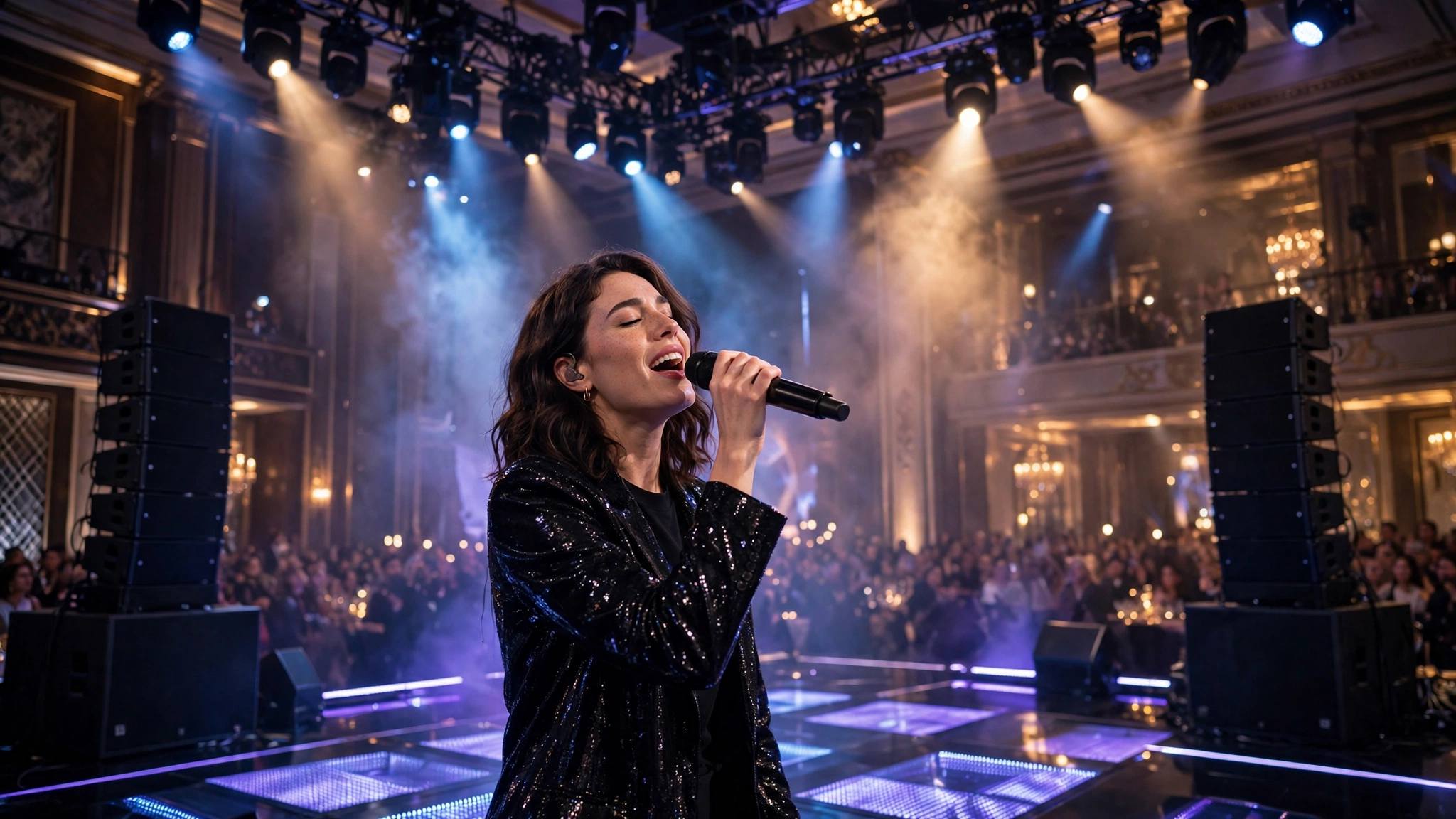
Training can be shaped around:
- The character's musical background and level of experience.
- The instrument, vocal style or traditional form shown in the scene.
- Specific movements, patterns, phrases or musical actions required on camera.
- The scene duration, camera framing, performance tempo and continuity needs shared by the production.
- The actor's available preparation time and the production schedule.
- Whether the requirement is for a realistic performance, a short visual sequence or a more developed musical passage.
Where appropriate, the trainer can coordinate with the director, casting team or creative representative to understand the intended result and keep practice aligned with the scene.
Introduction to Punjabi Folk and Traditional Music
Punjabi folk music is connected with community life, seasonal celebrations, work, love, devotion and storytelling. Its musical expression includes songs, rhythmic patterns, vocal traditions and instruments associated with different regional and social settings.
For an actor preparing for a Punjabi folk-related role, understanding the context can help connect the musical technique with the character's background. The training brief may include listening, rhythm, pronunciation, vocal expression, instrument familiarity and the musical character of the selected repertoire.

Key themes that may be explored
Celebration and community
Musical expressions connected with gatherings, festivals and shared celebrations.
Harvest and rural life
Folk traditions that reflect seasonal work, agricultural life and community rhythms.
Love and storytelling
Narrative songs, folk poetry and expressive delivery relevant to a character or scene.
Devotional expression
Appropriate musical context for devotional or spiritual scenes, guided by the selected composition and tradition.
Traditional Punjabi Instruments for Actor Training
The instrument is selected according to the character and the production's visual and musical requirements. The focus may be on basic handling and believable screen technique, or on a more developed performance passage if the role requires it.

Dhol
Explore posture, strap placement, stick handling, basic rhythmic patterns and the physical coordination involved in playing the Punjabi double-headed drum.

Tumbi / Toombi
Become familiar with the single-string folk instrument's grip, plucking motion, rhythmic accents and characteristic performance gestures.
Algoza / Alghoza
Understand the paired-flute format, breathing coordination and the visual handling required for a scene featuring the instrument. Advanced playing depends on the role and time available. The reference photograph shows a regional folk musician; the production brief should confirm the exact instrument and tradition.
Other instruments may be considered when the character or scene calls for them. The selected instrument and the depth of training should be agreed with the production team before the programme begins.
The photographs above illustrate traditional instruments and musical settings. They are not presented as images of SoulFul trainers or actors in a training session. Dhol image: Suyash.dwivedi, Wikimedia Commons, CC BY-SA 4.0. Algoza-related reference: Qasim Mehmood, Wikimedia Commons, CC BY-SA 3.0.
Vocal and Instrumental Training for Film Roles
Some roles require vocal preparation, some require instrumental technique, and others combine both. The training plan can focus on the specific skills that are visible or audible in the scene.
Vocal preparation
Work on pitch awareness, phrasing, pronunciation, breath, rhythm and expressive delivery according to the selected song or musical passage.
Instrumental preparation
Learn the relevant instrument position, handling, movement patterns, basic technique and performance gestures required by the scene.
Rhythm and coordination
Practise pulse, tempo, timing, call-and-response and coordination with other performers where relevant.
Performance expression
Connect musical actions with the character's emotion, intention and interaction in the scene, following the director's brief.

Gurbani, Shabad, Ragas and Scales
When a film or television role involves Gurbani, Shabad or a related devotional setting, preparation should be handled with musical care and respect for the composition and tradition. The selected repertoire, language, pronunciation, melodic framework and performance context should be established with the production team and an appropriately knowledgeable music professional.
Gurbani and Shabad
Training may include listening to the selected composition, understanding its structure, working on accurate pronunciation and practising the required rendition. The depth of preparation depends on the scene and the actor's responsibilities.
Ragas and scales
Where relevant to the selected composition, actors may be introduced to the melodic framework, pitch relationships and basic scale patterns needed for the performance. Raga study should be connected to the actual repertoire rather than presented as a generic requirement for every Punjabi folk song.
Respectful, repertoire-led preparation
For devotional or sacred material, the production brief should identify the exact composition and context. Training should be adapted accordingly and should not treat sacred repertoire as a generic acting exercise.
Music Training for Films, Advertisements, Web Series and Television
SoulFul's actor-training approach is intended for screen and production requirements where a performer needs music-specific preparation. Enquiries can be discussed for different types of projects and scene formats.
Feature films
Character preparation for scenes involving instruments, singing, folk performances or musical storytelling.
Advertisements
Focused coaching for short-format scenes, brand films and music-related performance actions.
Web series and OTT
Role-specific preparation for recurring characters, episodes and scenes with musical elements.
Television productions
Training for music-led scenes, performance sequences and character-specific requirements.
Training may be arranged as individual coaching, a small-group session or another agreed format, depending on the role, schedule, location and scope.
A Clear Training Process for Actors and Production Teams
A structured process helps the actor, trainer and production representative stay aligned on what needs to be achieved before the shoot.
Share the project brief
Provide the project type, character background, scene description, musical style and expected shoot timeline.
Identify the training requirement
Clarify whether the actor needs vocal coaching, an instrument, rhythm work, cultural context or a combination of skills.
Plan the preparation
Agree on the trainer, learning format, session plan, location, schedule and the expected level of performance.
Practise the scene-specific material
Work on the exact actions, phrases, instrument handling and musical cues relevant to the role.
Review and refine
Where the production shares feedback, refine the practice according to the creative team's requirements and practical shoot needs.
The number of sessions, training duration, trainer allocation and fees are not fixed in this article. They should be proposed after reviewing the actor's brief and production schedule.
Actor Music Training in Goregaon, Malad, Mumbai, India and Online
Training enquiries can be discussed for actors and production teams based in Mumbai and other locations. The delivery format depends on the instrument, musical requirement, trainer availability and production logistics.
Goregaon and Malad
Enquiries from actors, casting teams and productions in these Mumbai areas can be discussed for suitable coaching arrangements.
Mumbai
Private or production-linked preparation can be planned around the brief, location and schedule.
Across India
Other-city requirements can be reviewed based on trainer availability, travel, instruments and production timelines.
Online consultation
Online discussion or selected learning sessions may be suitable for theory, listening and certain preparation tasks. Instrument practice may require in-person coaching.
Explore SoulFul's Music, Artist and Production Ventures
The actor-training requirement may connect with music education, celebrity preparation, artist coordination, studio needs and event-related services. Choose the venture relevant to your enquiry and confirm the specific trainer, instrument, production support or availability directly.
Learning, training and career pathways
Instruments, equipment and technical services
Artists, performance and production
Digital, media and global initiatives
Frequently Asked Questions About Music Training for Actors
Can actors receive music training for a specific film role?
Yes. Enquiries can be discussed around the character, scene, instrument or vocal requirement, available preparation time and production schedule.
Can musicians train actors to play instruments for movie scenes?
Specialist musician-led coaching can be discussed for instrument handling, basic technique, rhythmic patterns and scene-specific performance preparation, subject to the instrument and trainer availability.
Does SoulFul offer Punjabi folk and traditional music training?
Punjabi folk and traditional music requirements can be discussed, including relevant vocal and instrumental topics such as Dhol, Tumbi and Algoza, depending on the brief and trainer availability.
Can an actor learn Dhol, Tumbi or Algoza for a film?
These instruments can be included in a training enquiry. The suitable learning plan depends on the role, the scene's musical demands and how much preparation time is available.
Can the training be customised according to a film script?
The production can share a scene description and the expected musical actions. The training requirement can then be reviewed and a suitable plan proposed.
Is private music coaching available for celebrities?
Private or individual coaching requirements can be discussed with the team, subject to the trainer, schedule, location and scope.
Can production houses enquire about musician trainers?
Yes. Production teams, casting directors and creative representatives can enquire about musician-led actor preparation and other agreed music-related requirements.
Can actor music training be arranged online?
Online consultation and selected learning activities may be possible. Instrument-specific practice or scene rehearsal may need in-person coaching depending on the requirement.
Preparing an Actor for a Music-Related Role?
Share the project type, character requirement, musical style, instrument or vocal need, preferred location and shoot timeline. SoulFul can review the brief and discuss an appropriate actor-training or musician-coordination requirement.
Training scope, trainer allocation, fees, session duration, location and availability are confirmed individually after reviewing the production brief. This page describes enquiry pathways and does not promise a fixed course, confirmed cast/production credit or guaranteed shoot outcome. Production names, project credits and logos should be added only when approved for public use.