
What Is a Flute?
Explore the history, parts, sound and working principles of one of the world's most enduring musical instruments, from traditional bamboo flutes to modern forms.
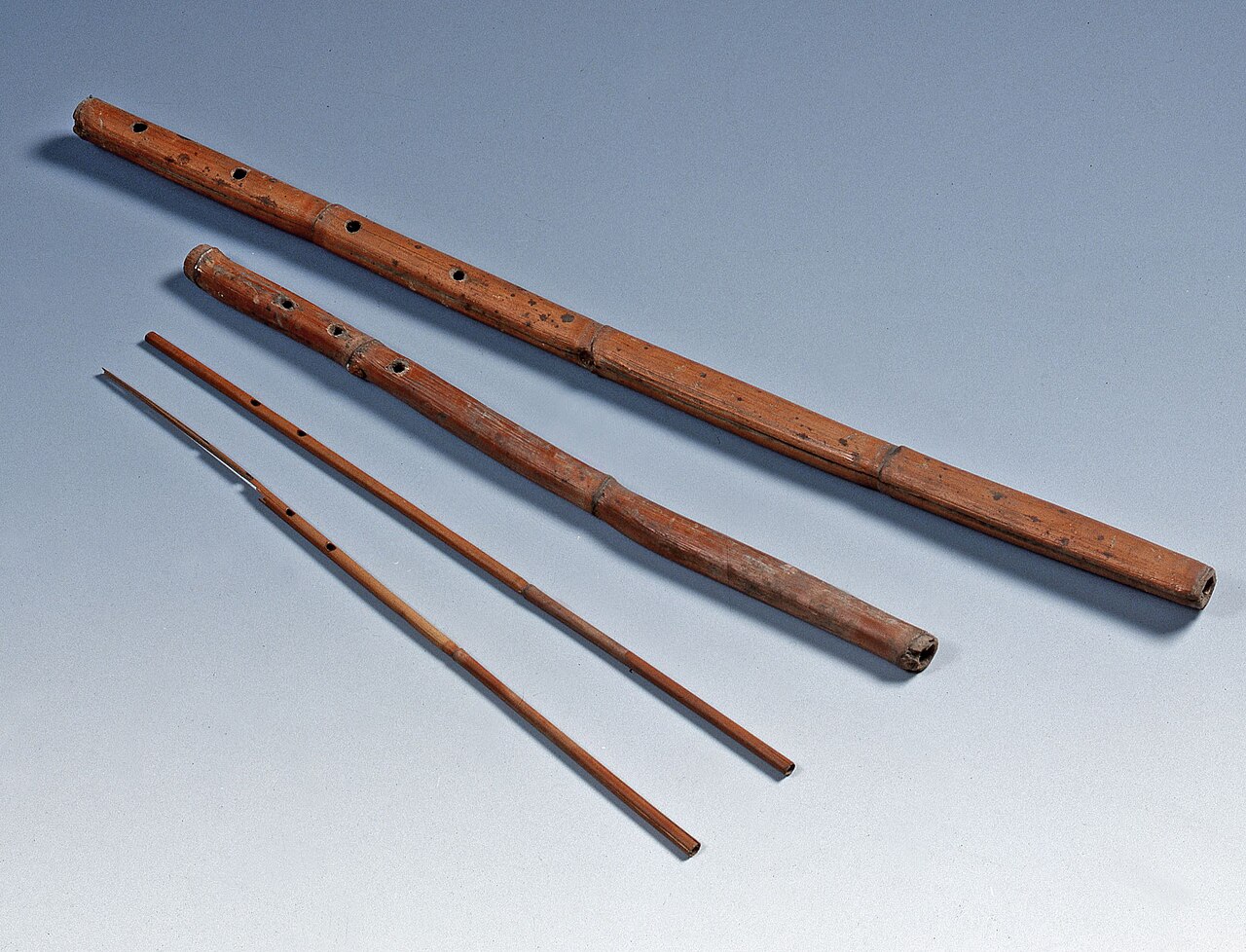
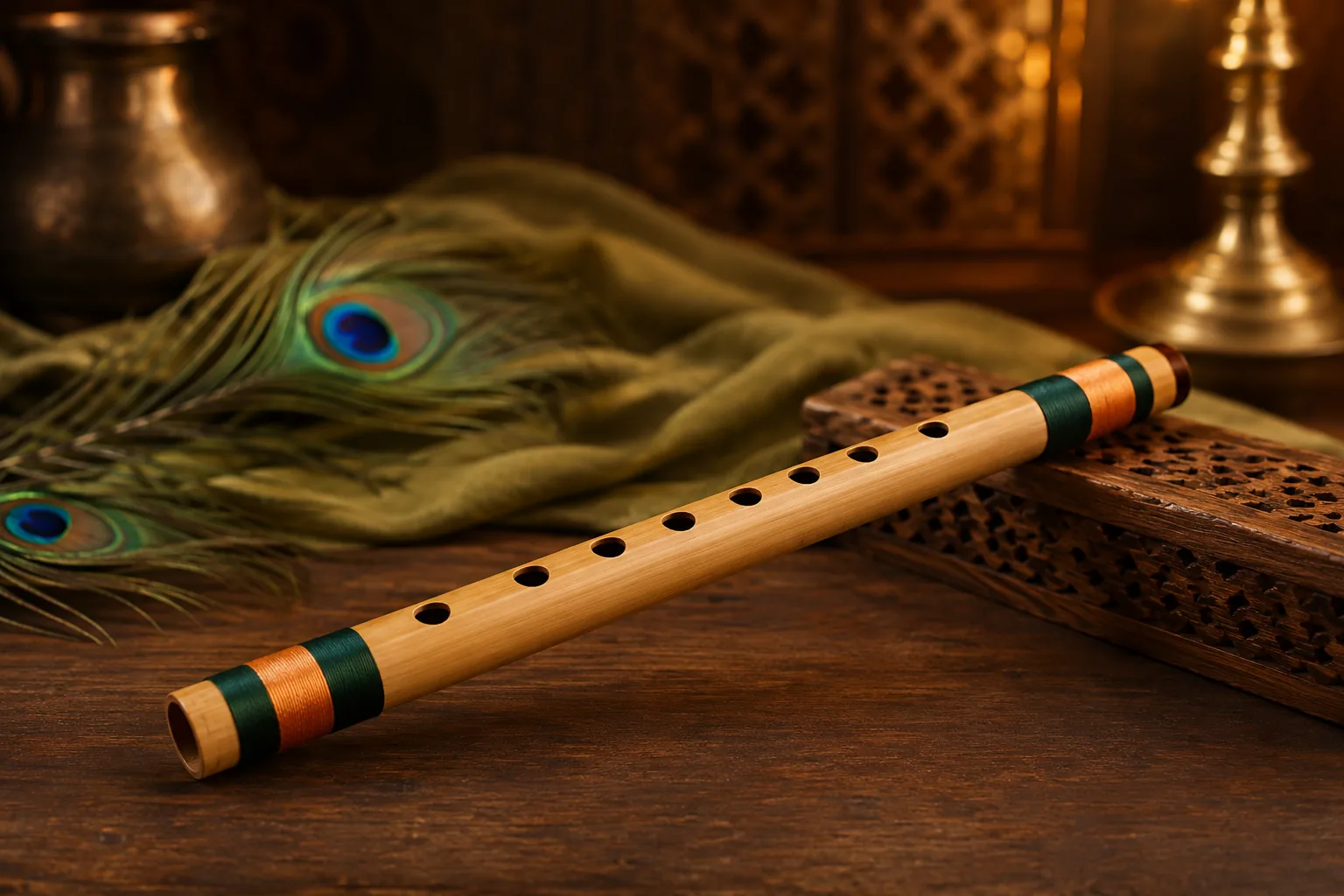
What exactly is a flute?
A flute is a wind instrument that creates musical sound through the interaction of an air stream and the air column inside the instrument.
Unlike many wind instruments that use a vibrating reed, many flute designs produce their sound by directing air across an opening. Different flute traditions use different materials, shapes, fingering systems and playing techniques.
This is why the word “flute” describes a broad family of instruments rather than one single design.
Air begins the vibration. The instrument shapes it.
The player controls the air stream while the instrument's openings and internal air column determine how that vibration resonates and which musical pitch is produced.
The history of the flute
Flute-like instruments are among the oldest known families of musical instruments. Across different cultures, people developed simple air-driven instruments from natural materials and gradually adapted them for their own musical traditions.
Over centuries, flute construction evolved. Changes in materials, dimensions, tone-hole placement and mechanical systems allowed makers and musicians to create instruments suited to different musical requirements.
Early flute traditions
Ancient cultures used simple pipes and other hollow materials to create instruments based on vibrating columns of air.
Regional musical development
Communities developed their own flute designs, playing traditions and musical roles using materials available in their surroundings.
The rise of engineered instruments
Makers introduced increasingly refined construction methods, including carefully positioned openings, different materials and mechanical key systems.
Modern flute families
Today, flute instruments appear in orchestras, classical traditions, folk music, popular music, education and many other settings.
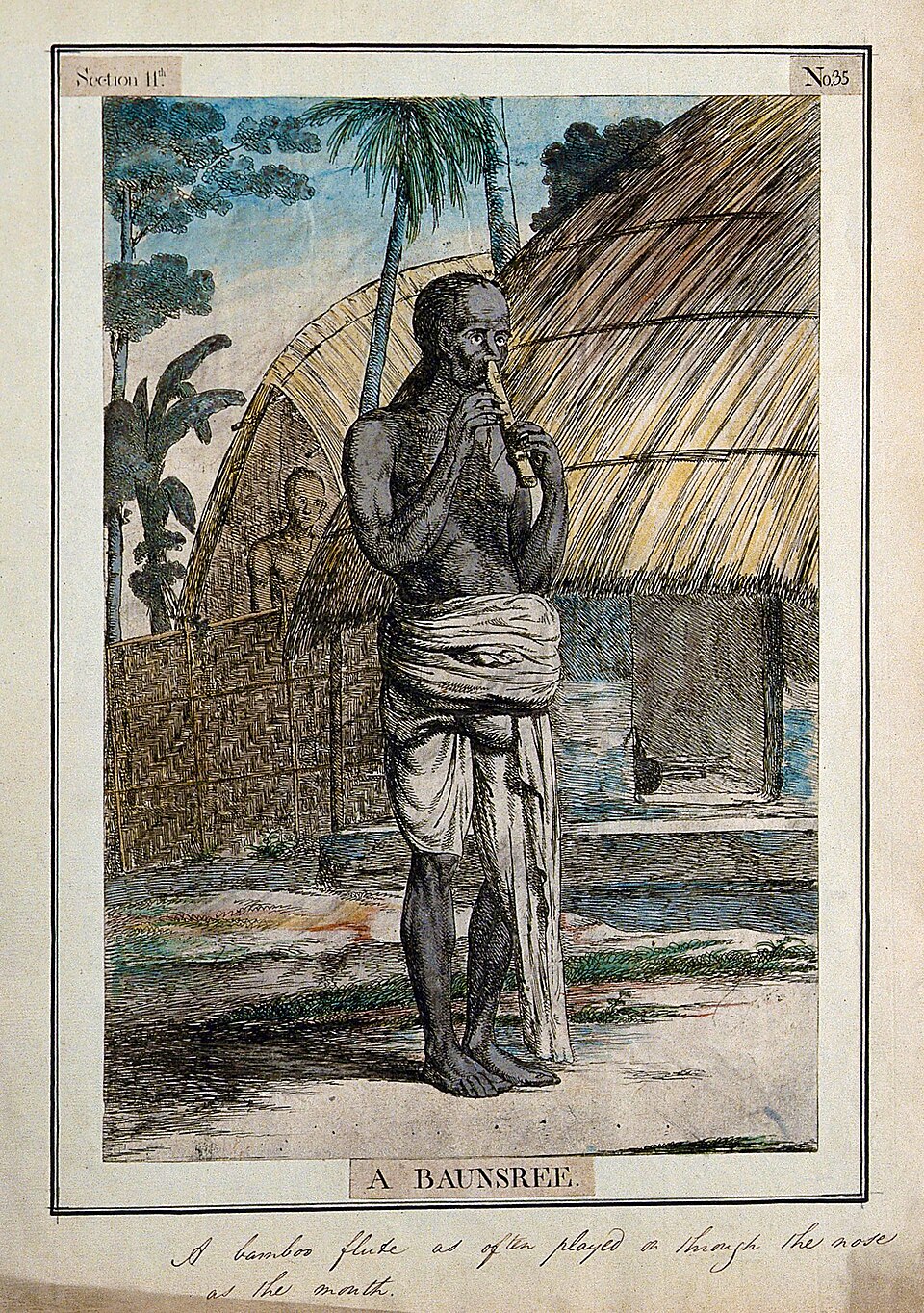
What are the main parts of a flute?
Exact construction depends on the type of flute. A bamboo bansuri and a modern Western concert flute, for example, use different physical designs. The following concepts help explain how flute instruments are constructed.
Blowing Area
The player directs air through or across the instrument's sound-producing opening.
Main Body
The body forms the tube around which the internal vibrating air column develops.
Tone Holes & Keys
Finger holes or keys allow the player to change the effective length of the air column.
Air Column
The air inside the instrument vibrates and resonates, helping determine the pitch and character of the sound.
How does a flute produce sound?
At a basic level, flute sound begins when the player's air stream interacts with the instrument's sound-producing opening. The resulting vibration excites the air inside the instrument.
Airflow
The player creates a controlled stream of air.
Vibration
Air interacts with the opening and excites the internal air column.
Fingering
Holes or keys alter the effective vibrating length.
Pitch
The resonating air column produces the pitch we hear.
What is a bansuri?
A bansuri is a bamboo side-blown flute associated strongly with Indian musical traditions. It can be found in classical, folk and other melodic settings.
Learners exploring Indian classical flute may develop skills involving breath control, pitch, phrasing, ornamentation and melodic expression.
Different types of flute
Flute instruments differ widely in construction and musical purpose. Comparing their characteristics helps a learner understand which musical tradition they belong to.
| Type | Construction | Musical Context |
|---|---|---|
| Bansuri | Traditionally bamboo and side-blown | Indian classical, folk and melodic traditions |
| Western Concert Flute | Commonly metal-bodied with a key mechanism | Classical, orchestral, ensemble and contemporary music |
| Recorder | Duct-flute construction | Education, early music and ensemble playing |
| Regional Traditional Flutes | Materials and construction vary by tradition | Folk and regional cultural music |
Why has the flute remained important?
One reason is its adaptability. Flutes can be made from different materials and shaped according to the musical tradition in which they are played.
The instrument can also move easily between intimate, traditional and large performance settings. A simple flute can therefore belong to many different musical worlds while preserving its basic relationship with breath and resonating air.
Questions about the flute
A flute is a wind instrument that produces sound through an air stream interacting with an opening and an internal air column.
The player directs an air stream into the sound-producing area. This excites the air inside the instrument, while fingering changes the effective length of the vibrating air column.
A bansuri is a traditional bamboo side-blown flute associated particularly with Indian musical traditions.
Depending on the design, important components include the blowing area, body, tone holes or keys and the internal air column.
Beginners can learn flute, although developing a stable sound, accurate fingering and musical control requires patience and consistent practice.
They differ in construction, materials, fingering, playing technique and musical tradition. A bansuri is traditionally made from bamboo and side-blown, while a Western concert flute generally uses a metal body and keys.
The story of the flute does not end with understanding it.
Continue exploring the instrument through learning, musical traditions, classes, online study and instrument selection.