
What Is Audio Engineering? Recording, Mixing & Live Sound
Explore how sound moves from a microphone or instrument into a recording, through processing and mixing, and out to listeners in a studio, on a stage or at an event.
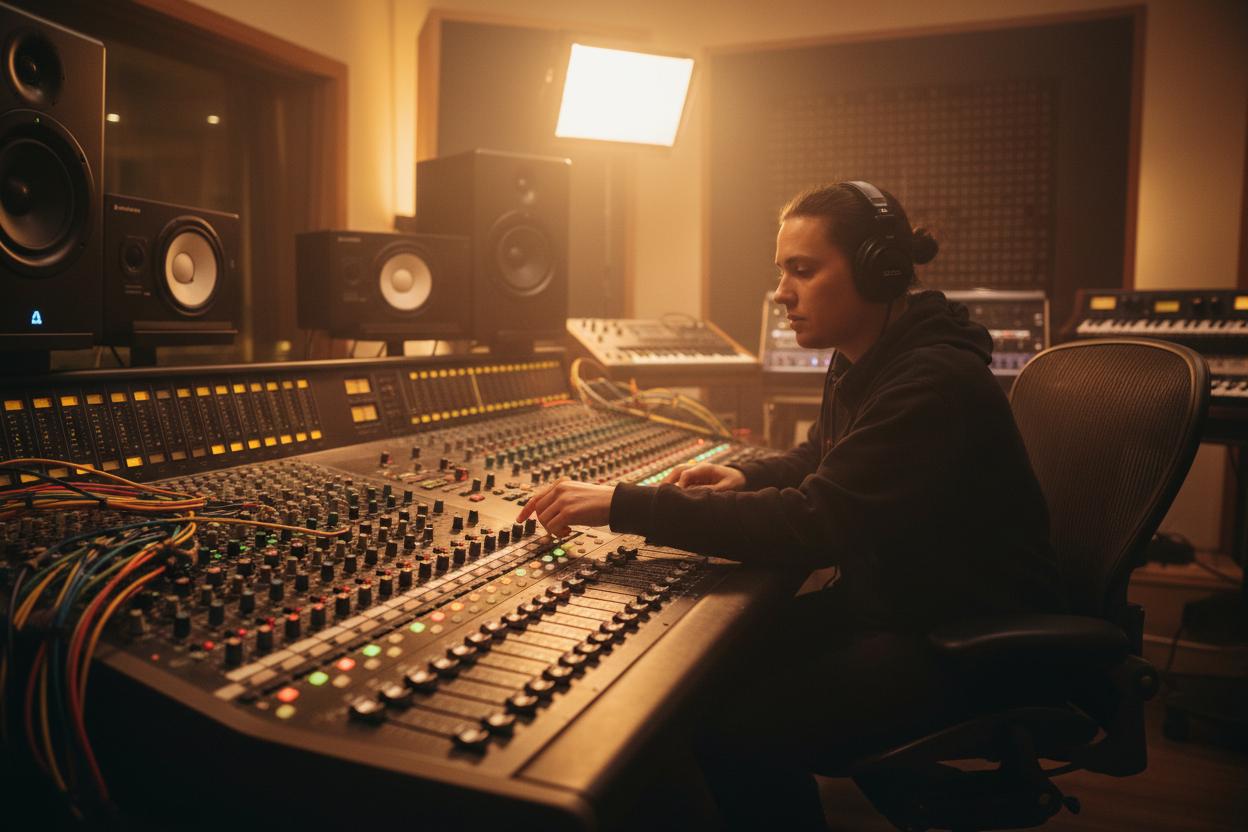
Audio engineering is the craft of capturing, shaping, mixing and reproducing sound. It brings together technical understanding and careful listening so a vocal, instrument, musical performance or spoken recording can be heard clearly in the setting it was created for.
Audio engineers may work in recording studios, music production rooms, rehearsal spaces, broadcast environments or live events. The equipment and workflow change from project to project, but the essentials remain familiar: understand the source, manage the signal, listen critically, make deliberate adjustments and check the result on an appropriate playback system.
What Is Audio Engineering?
Audio engineering covers the technical and practical work involved in recording and reproducing sound. Depending on the project, it can include choosing and placing microphones, routing signals, setting input levels, recording multiple tracks, editing audio, balancing levels, processing frequencies and dynamics, and preparing a mix for its intended use.
In live sound, the engineer also helps the performers and audience hear the event as intended. This can involve stage microphones, a PA system, monitor mixes, a front-of-house console, soundchecks and solving unexpected audio problems during a performance.
The Audio Engineering Workflow
A dependable workflow reduces avoidable problems and gives the engineer a clear way to diagnose issues. The exact order depends on the session, but these stages are a useful starting point.
- Understand the source. Identify the voice, instrument, room or performance, and decide what needs to be captured clearly.
- Choose the microphone and position. Consider direction, distance, room sound, handling noise and the character of the source.
- Check signal flow. Trace the path from microphone or instrument through preamp, interface, console or software to monitoring.
- Set recording levels. Keep enough headroom for unexpected peaks and avoid clipping at the input stage.
- Record and organise. Label tracks, preserve takes, keep session files tidy and capture the performance with a suitable recording setup.
- Edit and balance. Clean up obvious issues, compare levels and make sure the important parts can be heard in context.
- Process with intention. Use EQ, compression, ambience and other tools only when they serve the sound or brief.
- Review and deliver. Listen on suitable headphones or monitors, check the mix at sensible levels and export the format required by the project.
Essential Audio Engineering Skills
Strong audio work develops through a blend of technical knowledge, focused listening and repeated practice. These skill areas support both studio and live applications.
Microphone Techniques
Learn how microphone choice, placement, direction and distance affect tone, room sound and unwanted noise.
Signal Flow & Gain Staging
Understand the path taken by audio and maintain useful levels from input through processing and output.
Critical Listening
Notice frequency balance, dynamics, distortion, noise, stereo placement, room reflections and detail in performances.
Recording & Editing
Capture takes, organise sessions, edit thoughtfully and keep versions easy to identify and revisit.
Mixing & Processing
Use volume, panning, EQ, dynamics and effects to improve clarity and support the intent of a project.
Live Audio Awareness
Understand stage inputs, PA systems, monitor mixes, feedback prevention and communication during soundchecks.
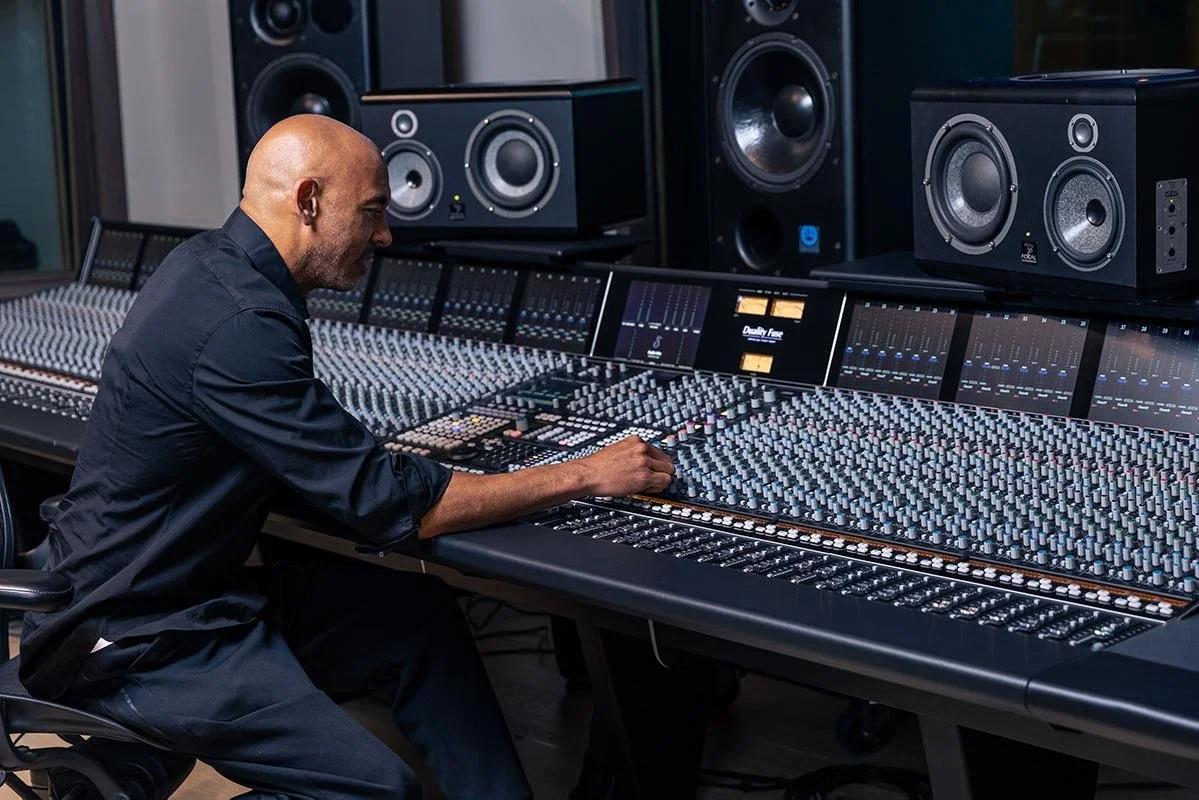
Recording and production work starts with a clean signal, thoughtful setup and well-organised session.
Studio Recording, Mixing and Mastering
Studio work often moves from preparation to capture, editing, mixing and final delivery. These stages are connected, but each answers a different question.
| Stage | Main purpose | Typical considerations |
|---|---|---|
| Recording | Capture a useful performance or sound source. | Microphones, placement, room, input level, noise and performance takes. |
| Editing | Organise and refine the recorded material. | Timing, unwanted noise, comping, fades, file names and session structure. |
| Mixing | Make the individual elements work together. | Balance, EQ, dynamics, panning, effects, depth and musical context. |
| Mastering | Prepare and check the final mix for its intended delivery. | Tonal balance, overall level, translation, file format and delivery requirements. |
A good recording gives later stages more useful material to work with. Mixing cannot reliably remove every problem created by poor capture, and mastering is not a substitute for repairing a mix that needs fundamental changes.
Live Sound Engineering for Shows and Events
Live sound engineering takes place in a changing environment. The engineer works with performers, microphones, stage positions, monitor requirements, the PA system, room acoustics, venue limits and the schedule of the event.
- Soundcheck: confirm inputs, routing, usable levels and performance requirements before the audience arrives.
- Front-of-house mixing: balance the sound heard by the audience according to the room, performers and programme.
- Monitor mixing: help performers hear the parts they need on stage or through in-ear systems.
- Stage communication: coordinate changes clearly with musicians, stage crew and event coordinators.
- Live troubleshooting: identify issues such as feedback, loose connections, noise or unexpected level changes and respond safely.
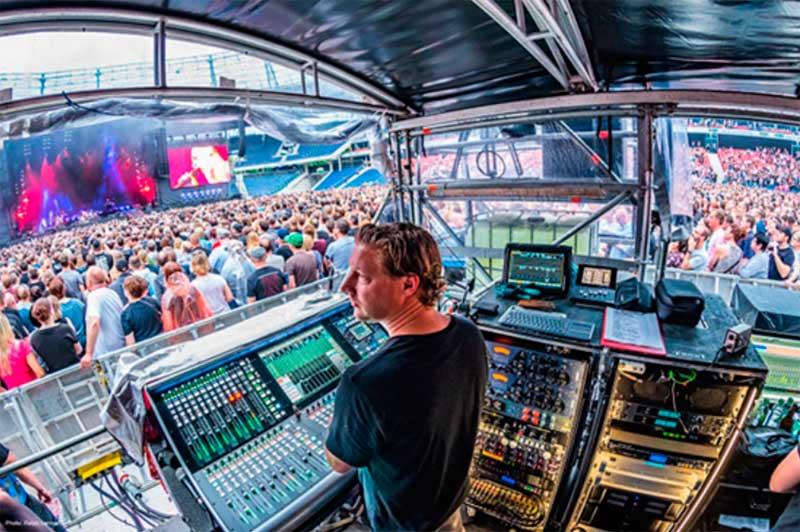
Live sound connects the technical setup with what performers and audiences hear during the event.
Event requirements vary by venue, stage size, programme and equipment. A technical plan should be based on the actual event brief rather than assuming that one audio setup suits every performance.
Audio Engineering Equipment Explained
You do not need to own every type of equipment to begin learning. It is more useful to understand the role of each component and how it connects to the rest of the signal path.
- Microphones: convert acoustic sound into an audio signal. Different designs and polar patterns suit different sources and environments.
- Audio interfaces and preamps: bring analogue signals into a recording system and provide the appropriate input gain and conversion.
- Mixers and consoles: route, combine and adjust sources for recording, monitoring or live sound.
- Headphones and monitor speakers: let engineers inspect recordings and mixes; each playback system has its own limitations.
- Cables and connections: carry audio and sometimes power or control signals; suitable connections and careful handling help prevent faults.
- Digital audio workstations: record, edit, organise, process and export audio using software tools.
- Room acoustics: affect what is heard while recording or mixing; listening conditions matter when judging a sound.
Audio Engineering Classes and Practice
Practice is most effective when every exercise has a specific listening goal. Start with a simple setup, change one variable at a time, make a note of what you hear and compare the results at similar playback levels.
Practical exercises to try
- Record the same source from two microphone positions and compare tone and room sound.
- Trace a basic signal path from input to software track and monitor output.
- Record a short phrase at safe levels and check for clipping, noise and unwanted room reflections.
- Create a simple two- or three-track mix and balance the elements before adding effects.
- Compare EQ or compression settings using level-matched listening, not only the appearance of meters.
- Practise labelling tracks, saving versions and exporting clearly named files.
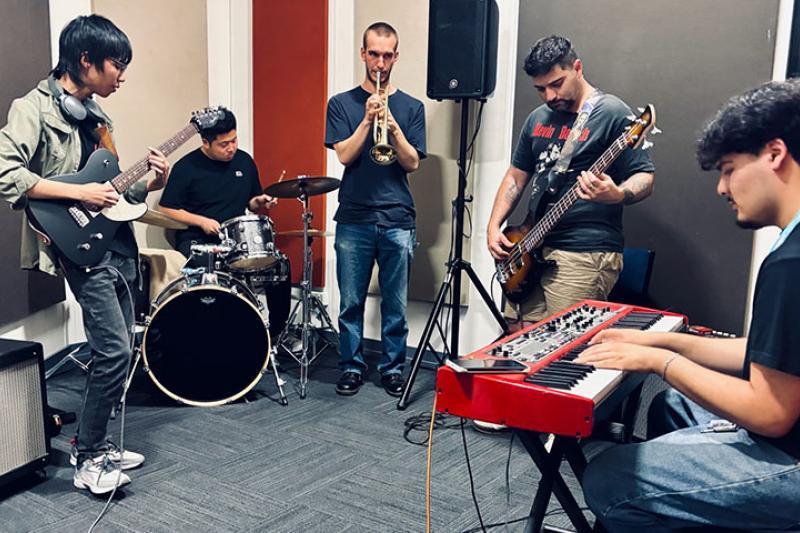
Working with musicians helps audio learners understand real performance needs, rehearsal flow and musical priorities.
When practising with other musicians, discuss the goal before recording or setting up sound. Clear communication about tempo, cues, monitoring and the intended sound often saves time later in the session.
Learn Audio Engineering in Goregaon, Malad, Mumbai, India and Online
SoulFul Musik Academy has a published Sound Engineering course page describing hands-on training related to recording and live sound. Learners should contact the Academy to confirm the current syllabus, suitable level, schedule and availability for their preferred learning format.
Goregaon East
Explore local learning information and ask whether the current Sound Engineering course suits your goals.
Malad East
Enquire about current training options, location details and the practical topics available for learners in Malad.
Mumbai and nearby areas
Review course information and ask about the appropriate programme and learning arrangements for your needs.
Across India
Contact the Academy about options for learners in other cities and about how practical work is supported.
Online learning
Ask whether remote lessons can accommodate your audio setup, software, practice files and feedback needs.
Private tuition and classes
Discuss whether individual or home tuition is available and appropriate for the specific sound-engineering content.
The Academy's published online-classes page lists its Goregaon East and Malad East locations and includes online and private-tuition course options. These general options do not automatically guarantee that every sound-engineering lesson is available in every format, so confirm the current details directly.
Looking for structured training?
Review the current Sound Engineering course information and ask about learning formats, practical work and course scope.
Audio Engineering, Musicians, Live Shows and Events
Audio work rarely happens in isolation. Engineers coordinate with vocalists, instrumentalists, bands, producers, venue teams and event organisers. Understanding the musical brief and the performance environment helps technical choices support the actual needs of a project.
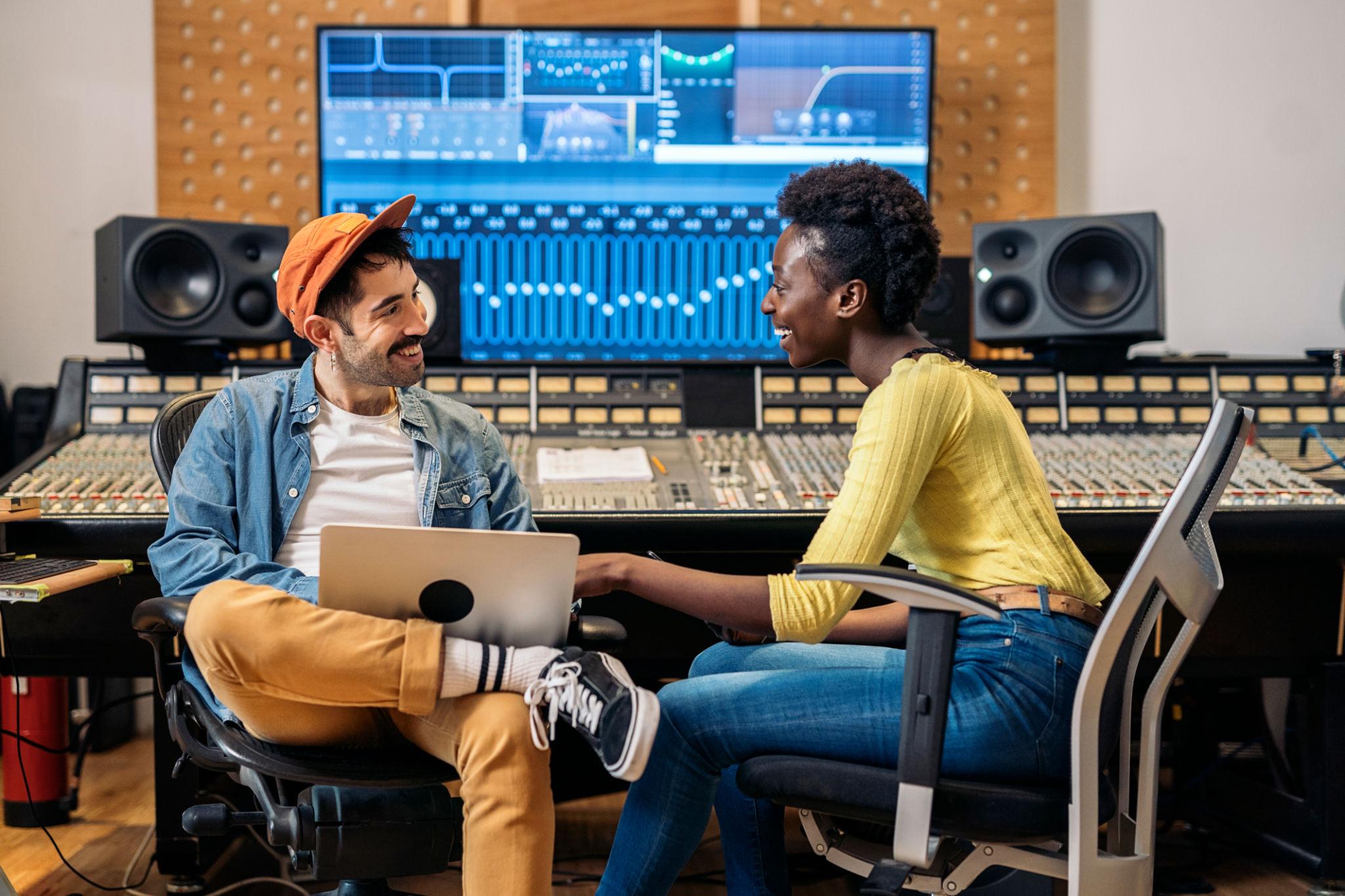
Audio projects can bring together artists, technicians, producers and event teams around one creative brief.
At a live show, this may mean coordinating stage inputs and monitor needs. In a studio, it may involve preparing microphones, setting up tracks, communicating take notes and organising files for later editing. For a recorded spoken-word or podcast project, clarity, consistency and a clean workflow may be more important than a large number of tracks or effects.
Where Audio Engineering Skills Can Be Used
Audio engineering knowledge can be applied across multiple settings. The work required in each role differs, and learners should explore the technical and collaboration skills relevant to the type of project that interests them.
- Recording engineer: capture and organise music, vocals, instruments or other sources in a recording environment.
- Mixing engineer: balance and process the recorded elements so they work together musically and technically.
- Live sound engineer: manage sound systems, input sources, stage monitoring and the audience mix for performances.
- Studio or production assistant: support session setup, file organisation, equipment preparation and communication.
- Podcast and content audio: record, edit and prepare spoken-word or other content for its intended delivery.
- Event technical crew: collaborate with venue and production staff on audio equipment, soundchecks and show requirements.
Audio skills can complement music production, artist projects and event work, but they do not guarantee a specific job or placement. Building a portfolio, practising consistently, learning from feedback and working reliably with others all matter.
Explore Related SoulFul Ventures
Audio engineering connects with recording, equipment, acoustics, musician practice and events. The links below lead to relevant SoulFul ventures; review each website for its current services and enquiry options.
Frequently Asked Questions
What is audio engineering in simple terms?
Audio engineering is the work of recording, processing, mixing, monitoring and reproducing sound so it meets the needs of a music, media or live-performance project.
What is the difference between audio engineering and music production?
Audio engineering focuses on technical sound capture and reproduction. Music production may cover a broader creative process that includes arrangement, performance choices and the overall direction of a project. The roles can overlap.
What does an audio engineer do in a studio?
Studio work can include microphone setup, signal routing, recording, editing, track organisation, mixing and preparing files for the intended delivery.
What is live sound engineering?
Live sound engineering supports performances by managing inputs, microphones, PA systems, monitor mixes, soundchecks and the sound heard by the audience.
Can beginners learn audio engineering?
Beginners can start by learning basic signal flow, microphone use, recording levels and critical listening before progressing to more complex recording, editing and mixing tasks.
Can I enquire about audio engineering learning in Goregaon East or Malad East?
SoulFul Musik Academy lists locations in Goregaon East and Malad East and has a Sound Engineering course page. Contact the Academy to confirm current availability, location-specific arrangements and schedules.
Can I learn online or through private tuition?
The Academy publishes online-learning and private-tuition options. Confirm whether the current sound-engineering course can be delivered in your preferred format and what practical equipment or software is required.
How can I practise audio engineering at home?
Try simple recording tests, careful microphone placement, basic signal-flow exercises and small mixes. Compare results at similar listening levels and keep clear notes about what you changed and heard.
How does audio engineering connect with live events and artists?
Engineers coordinate with musicians, performers and event teams to prepare equipment, check signals, manage sound and support the needs of a live or recorded project.
Explore the Sound Engineering course
Ready to explore structured learning? Visit SoulFul Musik Academy's published Sound Engineering page and enquire about the current course scope, practical work, schedule and suitable learning format.
View Sound Engineering Course