
Indian Percussion • Comparison Guide
Dhol vs Dholki: What Is the Difference?
Dhol and Dholki are both double-headed Indian percussion instruments, but they differ in scale, playing approach, tone, regional traditions and performance settings.
Quick answer
The easiest distinction is scale and playing context. A Dhol is generally a larger double-headed drum designed for strong projection and commonly played with sticks, while a Dholki is generally smaller and often played with the hands. The names overlap across South Asia, however, so regional construction and terminology matter.
Core comparison
Dhol vs Dholki at a Glance
A Dhol and a Dholki share the basic idea of a two-headed drum, yet their physical design and musical role can be noticeably different. The table below is a practical guide rather than an absolute rule because South Asian drum names and forms vary by region.
| Feature | Dhol | Dholki |
|---|---|---|
| Overall form | Usually larger and built for strong acoustic projection. | Generally smaller/slimmer, with regional variants and multiple construction approaches. |
| Playing approach | Commonly played with two sticks; some traditions adapt the technique. | Frequently played with the hands, especially in close accompaniment settings. |
| Sound character | Strong, punchy and projecting, with substantial low-end presence. | Often more compact, articulated and suitable for detailed rhythmic accompaniment. |
| Typical contexts | Processions, weddings, festivals, dance and other high-energy outdoor or ensemble settings. | Folk, devotional, wedding music, song accompaniment, Lavani/Tamasha traditions and light music, depending on region. |
| Portability | Usually more demanding to carry because of its larger body. | Generally easier to handle and position for indoor or smaller performances. |
| Terminology | “Dhol” can refer to several regional double-headed drum forms. | “Dholki” may describe a smaller dholak-family drum; in some regions the term overlaps with “nal.” |
Instrument 01
What Is a Dhol?
Dhol is a broad name used for several types of double-headed drums found across the Indian subcontinent. Regional versions can differ in body shape, materials, tuning hardware, diameter and performance practice. A well-known Punjabi form is a large barrel-shaped drum carried on the body and struck with two sticks.
The Dhol is particularly effective when the rhythmic layer needs to project through a crowd, procession, dance ensemble or festive environment. It is widely associated with weddings, festivals and regional performance traditions.
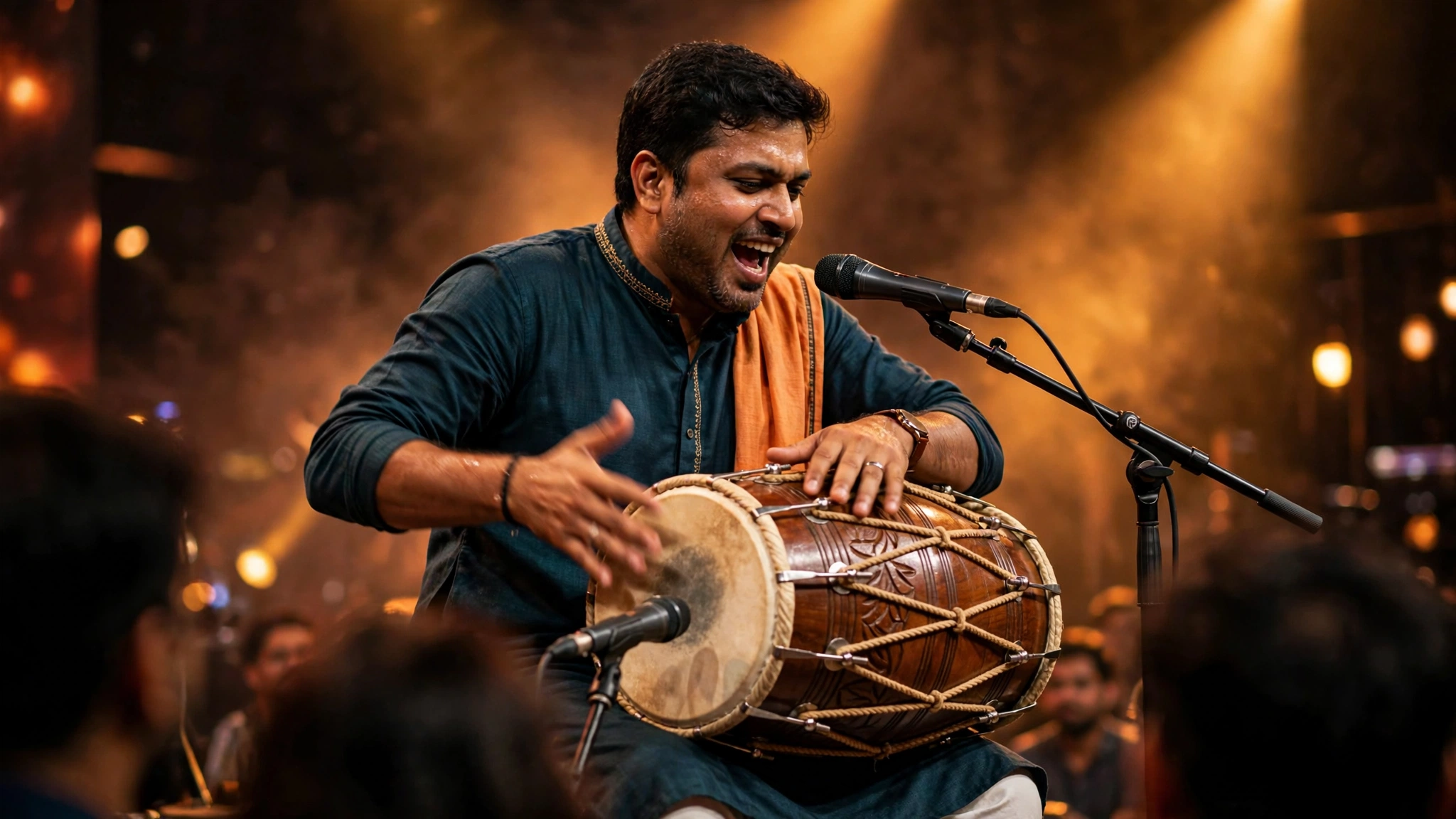
Designed to deliver strong projection and physical rhythmic presence.
Traditional Dhol practice commonly uses a pair of beaters for different pitch areas.
Useful where rhythm must remain prominent across a larger acoustic space.
There is no single universal Dhol design across South Asia.
Instrument 02
What Is a Dholki?
Dholki is generally used for a smaller two-headed hand drum related to the wider Dholak family. The term is not perfectly uniform: some sources and traditions use it for specific smaller or slimmer forms, while other contexts overlap with the term “nal.” That regional variation is worth remembering when buying or learning the instrument.
In Maharashtra, Dholki has a strong presence in folk traditions including Tamasha and Lavani. It is also heard in devotional and song-based settings where a compact, articulate rhythmic accompaniment is useful.

Build & acoustics
Dhol vs Dholki: Size and Construction
The most visible difference is usually physical scale. A typical performance Dhol has a larger shell and larger heads than the compact Dholki forms used for hand accompaniment. But sizes are not standardized globally, so measurements should never be treated as a universal identification test.
Both families commonly use wooden shells with tensioned drumheads, while hardware can include rope systems, rings or metal tuning arrangements depending on the instrument. Some Dholki or Nal constructions use a treble head associated with tabla-style tonal treatment. These construction differences affect both feel and sound.
Dhol
Larger body + greater air movement + forceful projection. The design supports a broad, physical rhythmic sound suitable for large or energetic environments.
Dholki
Smaller body + hand technique + more compact rhythmic articulation. The design is useful when the drum needs to sit directly with a singer, folk ensemble or devotional group.
How they feel to play
Dhol vs Dholki: Sound and Playing Style
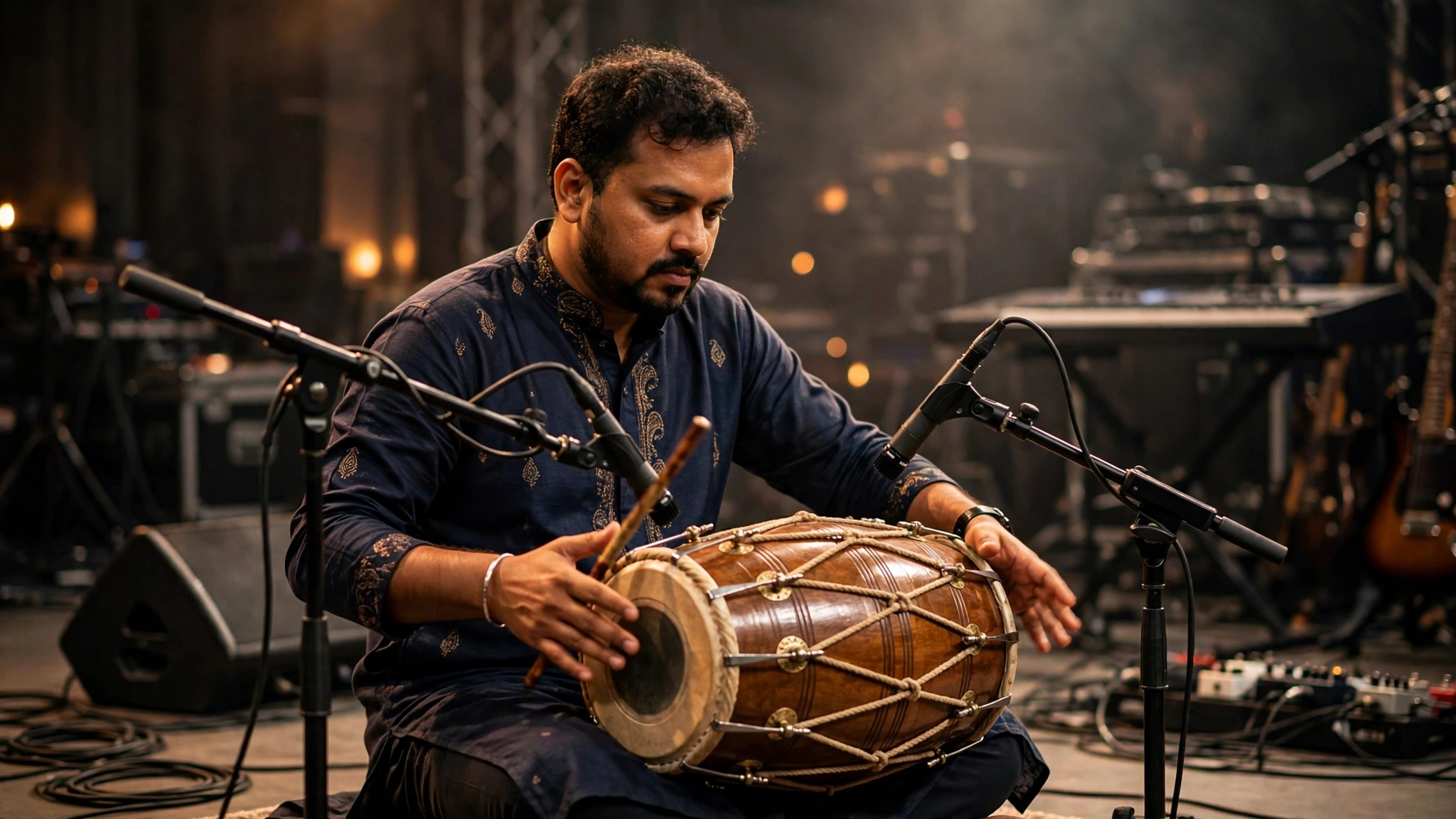
A Dhol’s impact is often about projection, pulse and physical energy. A stick-driven performance can produce a strong contrast between the two heads, helping the rhythm carry across outdoor events, processions and dance settings.
Dholki performance is more closely associated with direct hand control. Because both hands can work across the two heads, the player can create detailed combinations of bass and treble strokes in close accompaniment. Exact technique differs across traditions and teachers.
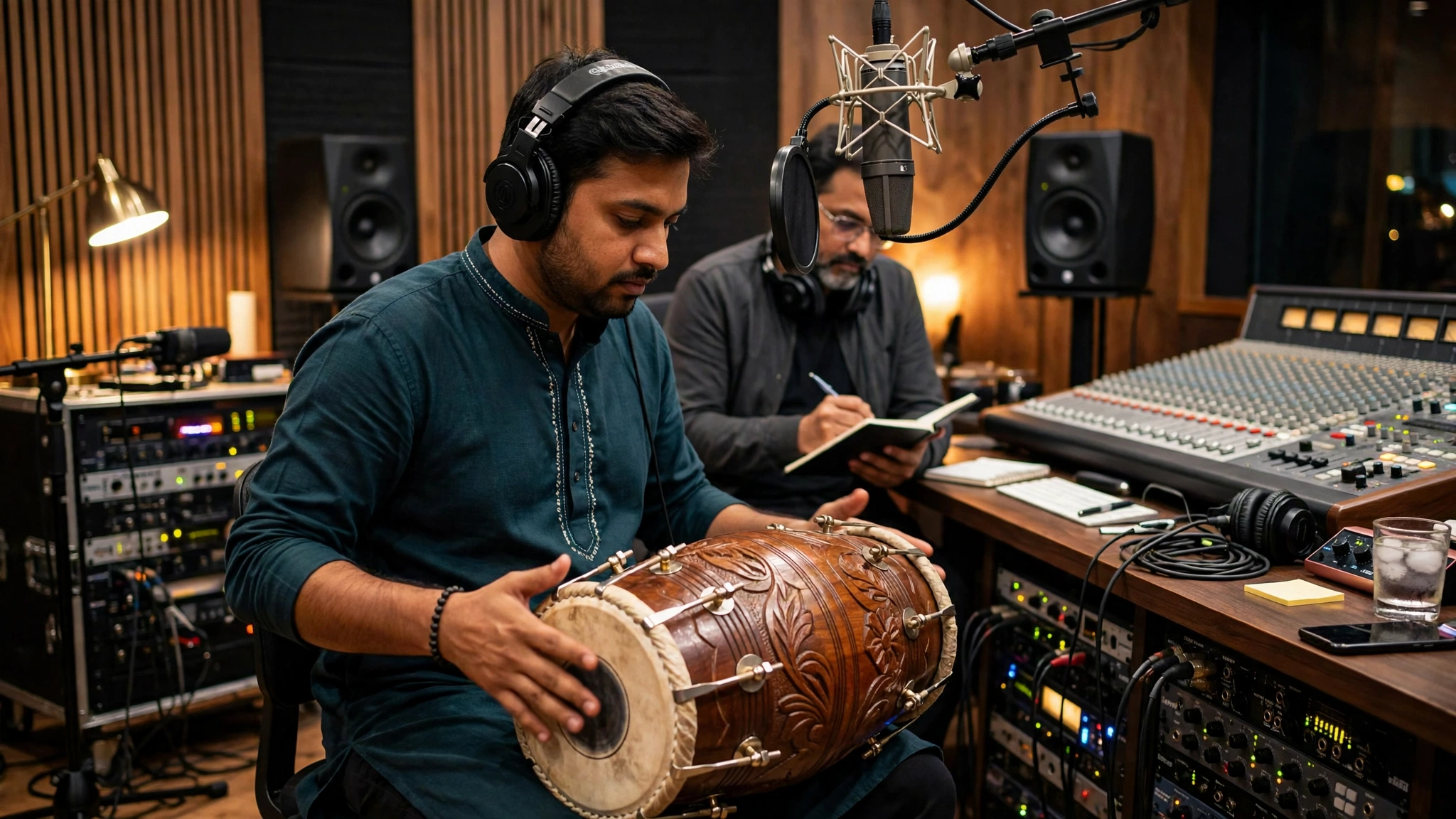
Musical contexts
Where Are Dhol and Dholki Commonly Used?
Dhol
Dhol traditions are found across many parts of South Asia and are strongly associated with festive, dance and public performance. Punjabi Dhol is especially well known in Bhangra-related performance and wedding processions, while other regional Dhol forms appear in local folk and ceremonial contexts.
Dholki
Dholki has important roles in folk, devotional and song-accompaniment traditions. In Maharashtra, documentary cultural sources describe Dholki in Tamasha, Powada, Lavani, Khadi Gammat and related folk performance forms.
Events
Dhol vs Dholki for Weddings, Festivals and Live Events
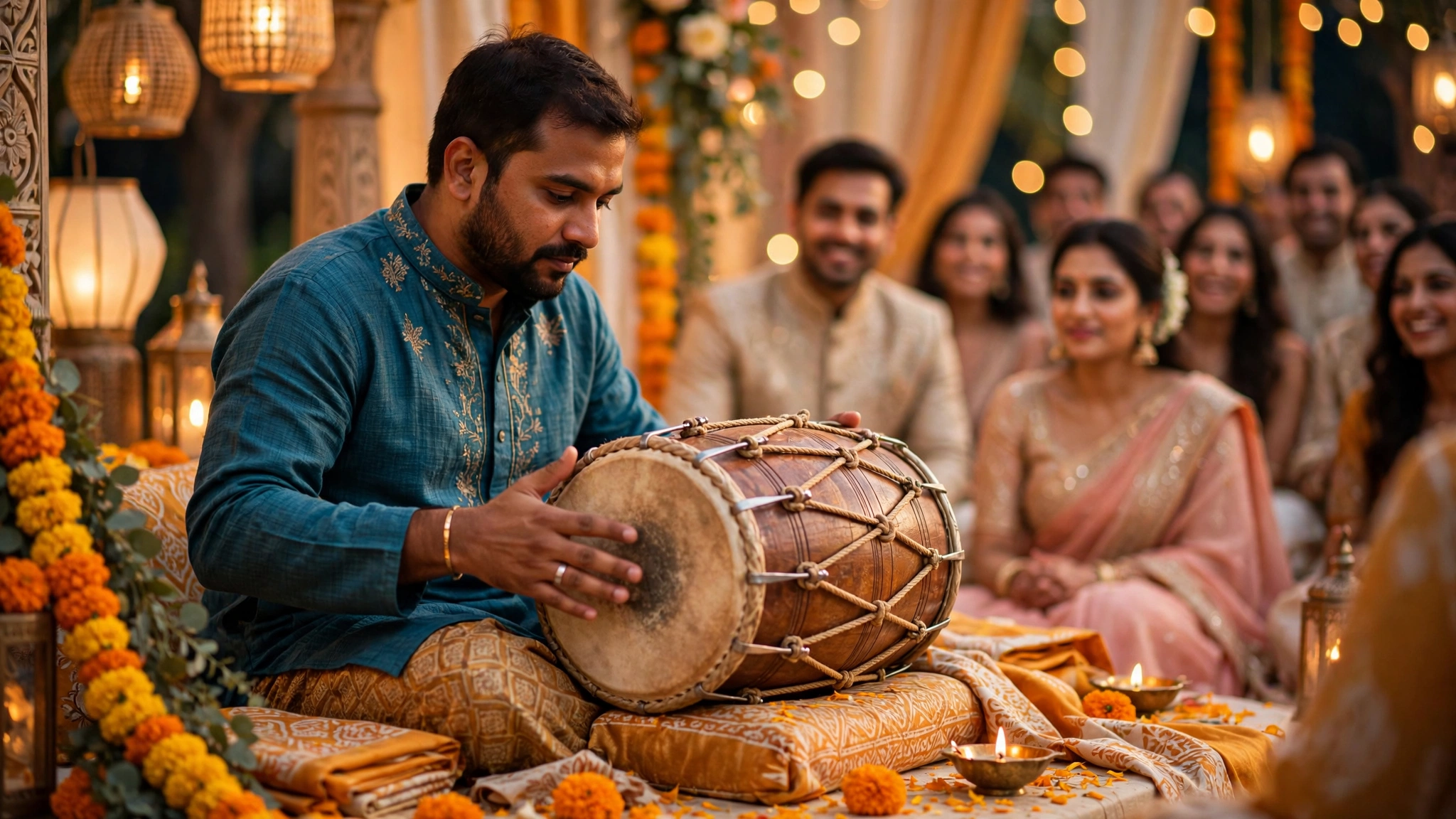
For a wedding procession or large outdoor celebration, Dhol is often chosen when a strong, projecting rhythmic presence is part of the desired musical format. Dhol-based performance can work naturally with dance, marching movement and large groups.
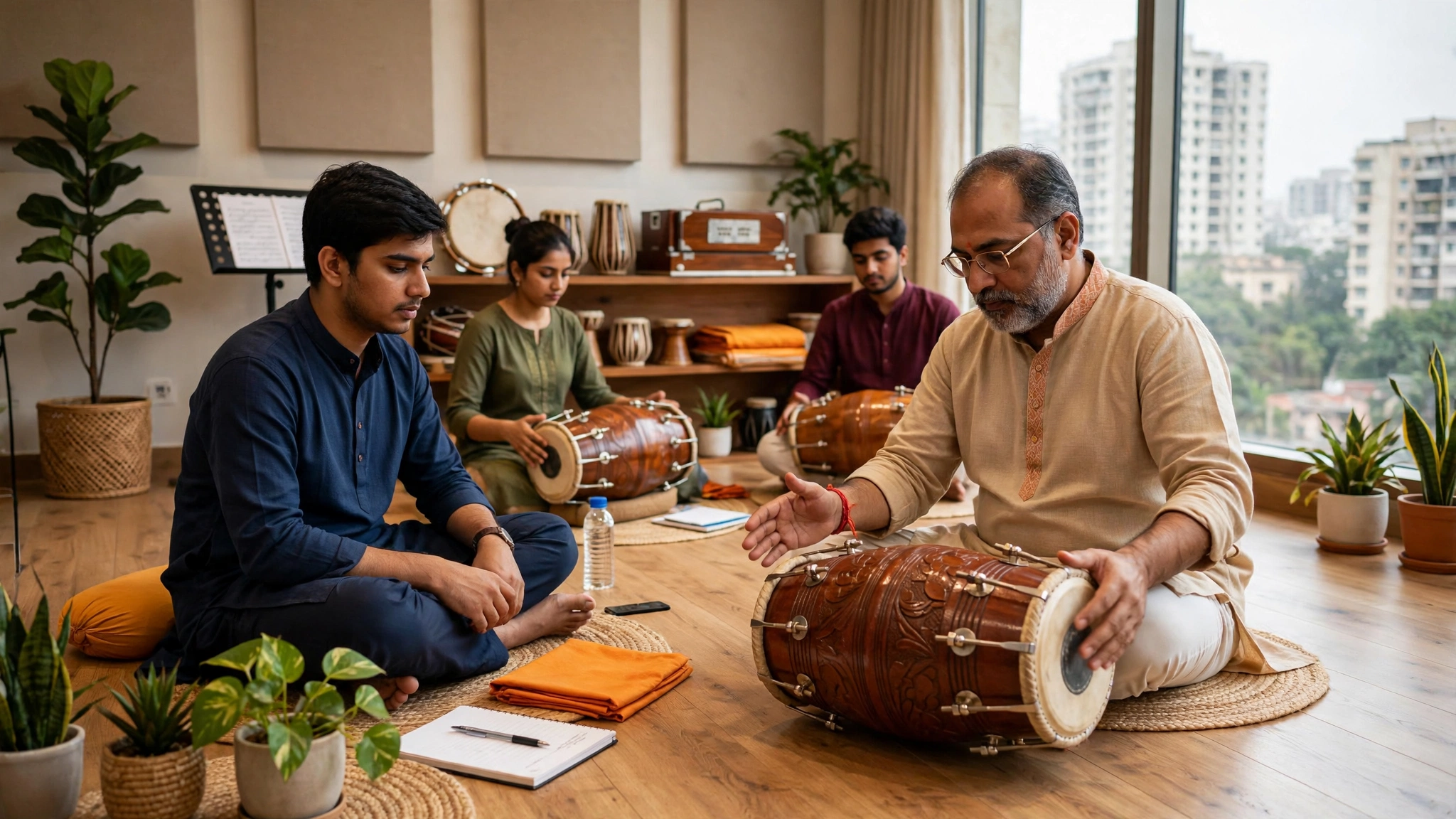
Dholki can be a better fit for smaller musical ensembles, wedding-song traditions, folk programs, devotional sets and seated accompaniment. The important practical question is not simply the instrument name but the venue, musical format, amplification, ensemble and expected rhythmic role.
For performance requirements, musicians, production or event support, explore SoulFul Musik Event and SoulFul Artist Management.
Learning
Dhol vs Dholki for Beginners
There is no universal “easier” choice. A beginner’s experience depends on physical comfort, teacher availability, the musical style they want to learn and whether they want to perform mainly with hands, sticks, an ensemble or a particular regional tradition.
Choose Dhol when your goal includes:
- High-energy wedding, festival or procession performance.
- Punjabi or other Dhol-centered regional rhythm traditions.
- Developing stick technique and strong rhythmic projection.
Explore Dholki when your goal includes:
- Hand-played folk and devotional accompaniment.
- Maharashtra-focused traditions such as Lavani and Tamasha.
- Compact practice, song accompaniment and detailed rhythmic control.
Practice & lessons
Can You Learn Dhol or Dholki Online?
Online lessons can introduce posture, basic strokes, timing, notation or bol vocabulary, practice routines and repertoire. For percussion, feedback remains important because hand position, rebound, grip, tone production and consistency are difficult to evaluate from a recording alone.
For a structured Dholki pathway in Mumbai and online, see Dholki Classes in Mumbai, India & Online Worldwide.
Instrument support
Buying, Renting and Maintaining Dhol & Dholki
When choosing a Dhol or Dholki, check shell construction, head quality, tuning hardware, weight, repairability, intended musical style and the player’s physical comfort. For used instruments, inspect shell cracks, head wear, tension hardware and evidence of repairs.
Rental and repair support can be useful when you need an instrument temporarily for a performance, recording, class or event. Before booking, confirm the exact instrument type, dimensions, availability, accessories, transportation and protection terms.
SoulFul ecosystem
Music Learning, Artists, Studio and Events
Dhol and Dholki can connect learning, live performance, recording and event production. The SoulFul ecosystem brings those adjacent services together so the article can act as an educational entry point without turning the comparison itself into a service page.
Frequently asked questions
Dhol vs Dholki FAQs
For instrument terminology, regional usage and cultural context, see the source references included with this article implementation.
Explore the next step
From percussion basics to real-world music practice.
Continue from this comparison into Dholki learning, instrument support, studio practice, artist services or live-event music through the SoulFul ecosystem.
One Response