
Best Music Classes for Special Needs Children in Mumbai
Choosing a music program for a child with special needs is about more than finding a nearby class. Parents need to look at the teaching approach, learning environment, flexibility, communication, class format and how comfortably the program can adapt to the individual learner.
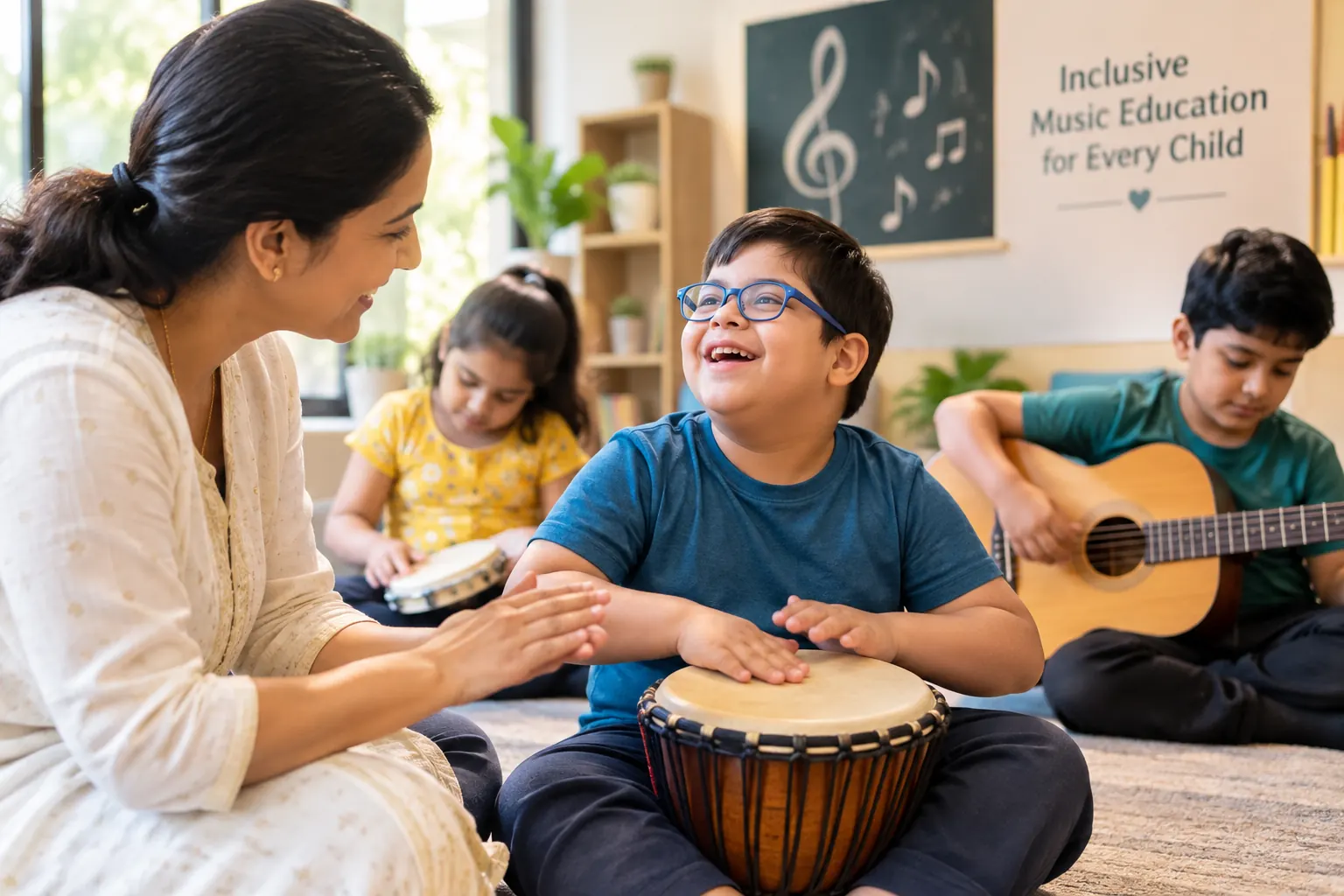
A practical framework for evaluating music classes in Mumbai and choosing a program that fits the learner.
Parents should evaluate the quality of teaching, the learning environment, class size, flexibility, communication and practical fit. The goal is a positive music-learning experience, not a one-size-fits-all program.
What Parents Should Look For in Music Classes
Searching for the best music classes for special needs children in Mumbai can quickly become confusing, especially when different schools use similar words such as inclusive, beginner-friendly or child-friendly. A better approach is to look at what actually happens inside the lesson.
A strong program should make musical participation feel understandable and achievable. The teacher should be able to communicate clearly, introduce activities progressively and adjust the lesson when the learner needs a different pace, shorter activity or another way to engage with the music.
Patient Teaching
Look for calm instruction, clear demonstrations and enough time for the learner to respond without unnecessary pressure.
Flexible Learning
A useful class can adjust activities, repetition and pacing instead of forcing every learner through one fixed sequence.
Comfortable Environment
Consider noise level, room setup, transitions and whether the child feels comfortable enough to participate.
Parent Communication
Parents should understand the learning goals, class expectations and how progress will be discussed over time.
The Teacher Matters More Than the Label
A program described as a special needs music class is only useful when the teaching experience matches the description. Parents should ask how the teacher handles different learning speeds, communication preferences, attention shifts and changes in comfort.
Questions worth asking before enrolment
One-to-One, Small Group or Online?
There is no universal class format that is right for every child. The useful comparison is between the learner's needs, the family's schedule and the way the teacher delivers the music lesson.
SoulFul Musik Academy also offers online learning pathways, so families can compare local and remote learning according to practical circumstances. You can explore the existing Online Music Classes option on the main site.
Why the Environment Deserves Careful Attention
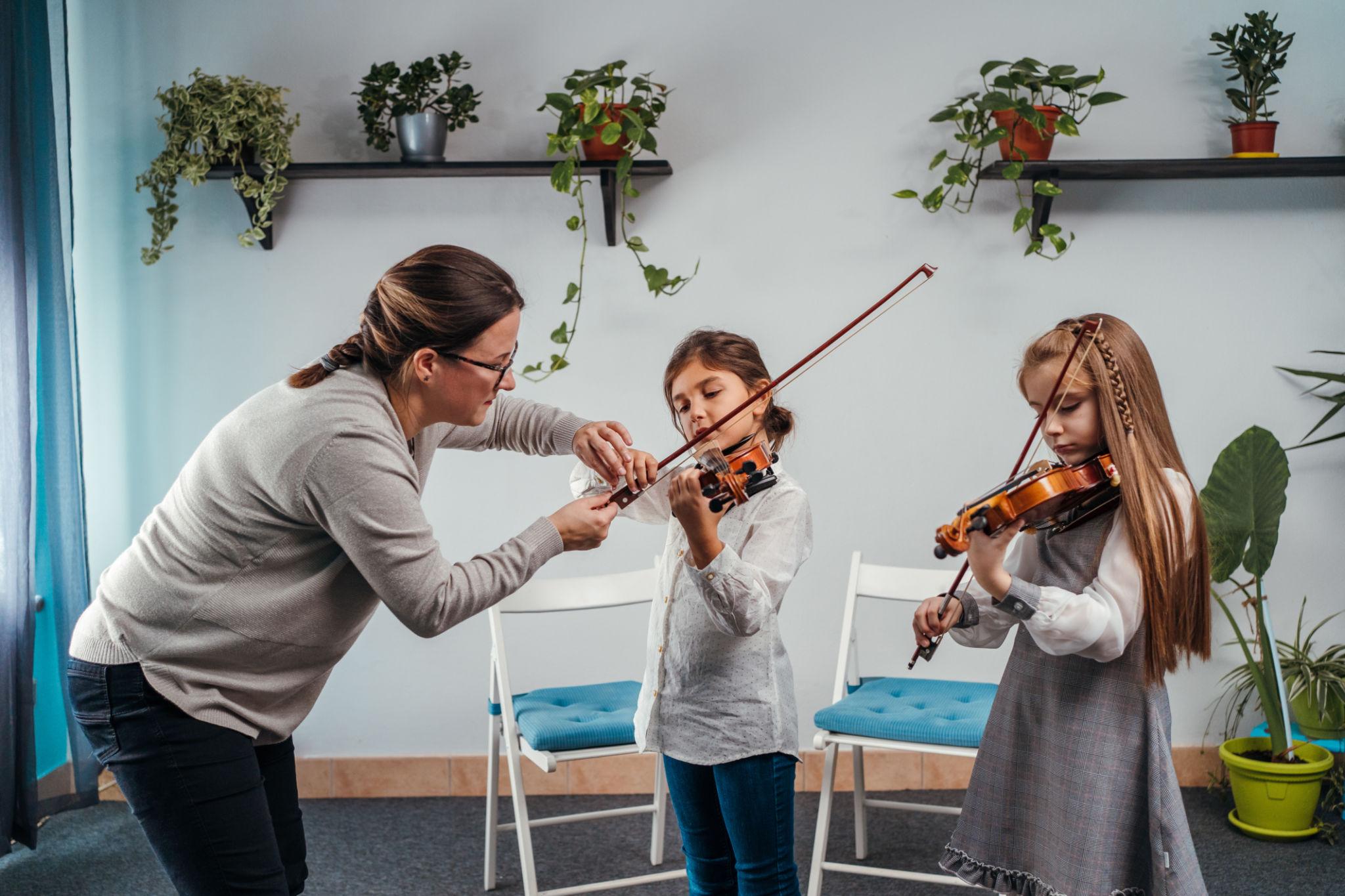
The physical classroom can influence how easily a learner settles into a lesson. Parents can observe practical details such as room size, background noise, seating, instrument placement, transitions between activities and the general pace of the room.
The best environment is not necessarily the most expensive or visually impressive. It is the one where the child can understand what is happening, access the instrument or activity and participate without feeling overwhelmed.
During a trial or first conversation, notice whether the teacher talks about the learner as an individual rather than relying only on a diagnosis or label.
Finding Music Classes in Mumbai and Goregaon
For families looking for music classes in Mumbai, location can matter because regular attendance is easier when travel time is manageable. Goregaon and Goregaon East can be practical starting points for families who want a local learning option while keeping online lessons available as another format.
Instead of selecting a class only because it appears close to home, compare the teacher, format, schedule, communication and learning approach. A slightly farther program can still be the better fit when the educational environment is more suitable for the child.
Local questions to ask
- How convenient is the location for consistent weekly attendance?
- Is the class one-to-one, paired or group-based?
- Can the family speak with the teacher before starting?
- What instruments or musical activities are introduced at beginner level?
- How does the academy communicate expectations and progress?
Which Instruments Can Children Explore?
Parents do not need to decide the perfect instrument before the first lesson. A child's interest, motor comfort, listening preference and motivation can all help guide the choice.
Common starting points
Keyboard
Clear visual layout and accessible pitch relationships can make it a useful option for introductory music learning.
Singing
Voice-based activities can begin with simple songs, listening, repetition and playful musical participation.
Percussion
Rhythm instruments can create immediate opportunities for pulse, timing, repetition and shared musical activities.
Other Instruments
Once the learner develops confidence, the teacher and family can explore additional instruments based on interest and comfort.
How to Choose the Right Music Class
A simple checklist can help parents compare programs without getting distracted by marketing language. Start with the child's experience and then evaluate the practical details around it.
Music Education Is Not the Same as Music Therapy
Parents should distinguish a music education class from professional music therapy. A music class focuses on learning and participating in music; it should not be described as a treatment or cure for autism or another condition unless a qualified health professional is providing a distinct therapeutic service.
For an academy-based music lesson, the safest and clearest promise is educational: helping a learner explore music, develop musical skills and enjoy a structured learning experience.
Explore Music Learning With SoulFul Musik Academy
Families can explore local and online music-learning pathways and discuss the most suitable format before beginning regular lessons.
Visit SoulFul Musik Academy →Useful Music Learning Resources
Continue exploring practical music-learning resources on SoulFul Musik Academy. Natural internal linking helps readers move from this parent guide to broader music education resources without repeating the same search intent.
Questions Parents Often Ask
Music classes can be suitable when the teaching approach, environment and class format are appropriate for the individual learner. A conversation with the teacher before enrolment can help determine practical fit.
There is no universal answer. One-to-one lessons can offer more individual attention, while small groups can provide shared musical participation. Compare the child's comfort, goals and preferred learning environment.
Yes. Instrument choice should be based on the learner's interest, comfort and practical readiness. Keyboard, singing and rhythm-based instruments can all be explored as possible starting points.
Online lessons can be an option when the learner is comfortable with the home setup and the teaching approach works well through video. Families should consider device position, audio quality, instrument access and parent support.
Ask about teacher experience, lesson format, adaptation, class size, session length, parent communication, trial arrangements, instrument options and how the academy handles changes in pace or comfort.
Start With the Right Music-Learning Environment
The strongest starting point is a teacher and format that respect the learner's interests, pace and comfort while keeping music education structured and enjoyable.
Explore SoulFul Musik Academy →